

Imagine peeing on a stick that doesn’t just check for pregnancy or sugar spikes, but reveals how old your body truly feels. Scientists just unveiled a game-changing “urine aging clock” that reads tiny RNA clues in your morning flow to predict biological age, no blood draw or doctor’s office required. This non-invasive breakthrough could spot if you’re aging faster than your birthday suggests, flagging risks for diabetes or worse years ahead. In a recent study published in the journal NPJ Aging, it shows where the technology stands now.Picture this: over 6,000 everyday Japanese participants hand over urine during cancer screenings, and researchers mine it for microRNAs—those pint-sized gene regulators floating in protective bubbles called extracellular vesicles. After sequencing and crunching data with smart algorithms, they nailed a clock accurate to within 4.4 to 5.1 years of your real age. Call the difference “biological age acceleration,” and suddenly your sample screams if lifestyle or genes are cranking up the clock.Gender matters here too—models tuned separately for men and women boost precision. Top players? GeromiRs like miR-155-5p and miR-34a-5p, aging’s notorious troublemakers linked to cranky cells that stop dividing and start causing chaos.
Why do biological clock matters

When your biological age runs ahead of your real one, it signals higher risks for sickness and early death. Doctors use these tools to sort people by health dangers, track who needs help most, and check if treatments like diet changes or drugs actually turn back the clock.
Diabetes link and hidden harbingers
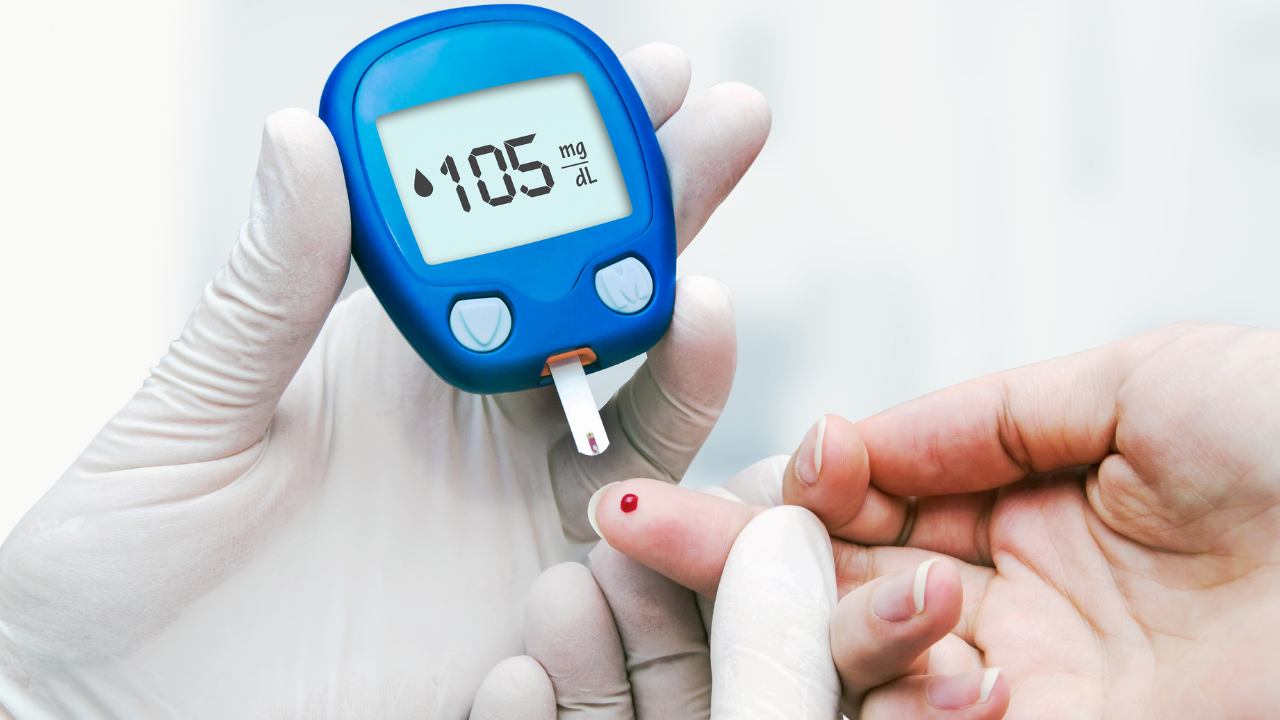
20 key miRNAs changed with age. Some went down, others up, especially in men. They were link to bone changes, immune issues, and cell aging. Dive deeper, and type 2 diabetes jumps out as the villain speeding up your urine age, especially in women 50-69 or men 50-79. These people showed elevated acceleration, hinting the test catches metabolic wear-and-tear early. Other conditions lurked in self-reports but didn’t pop as strongly—maybe because they were old history, not fresh fights.Behind the scenes, these miRNAs tie into bone breakdown, immune glitches, and senescence pathways, the cellular equivalent of hitting “retire” too soon. It’s like your urine spilling the tea on why your knees creak or energy tanks ahead of schedule.
Ditch the needle
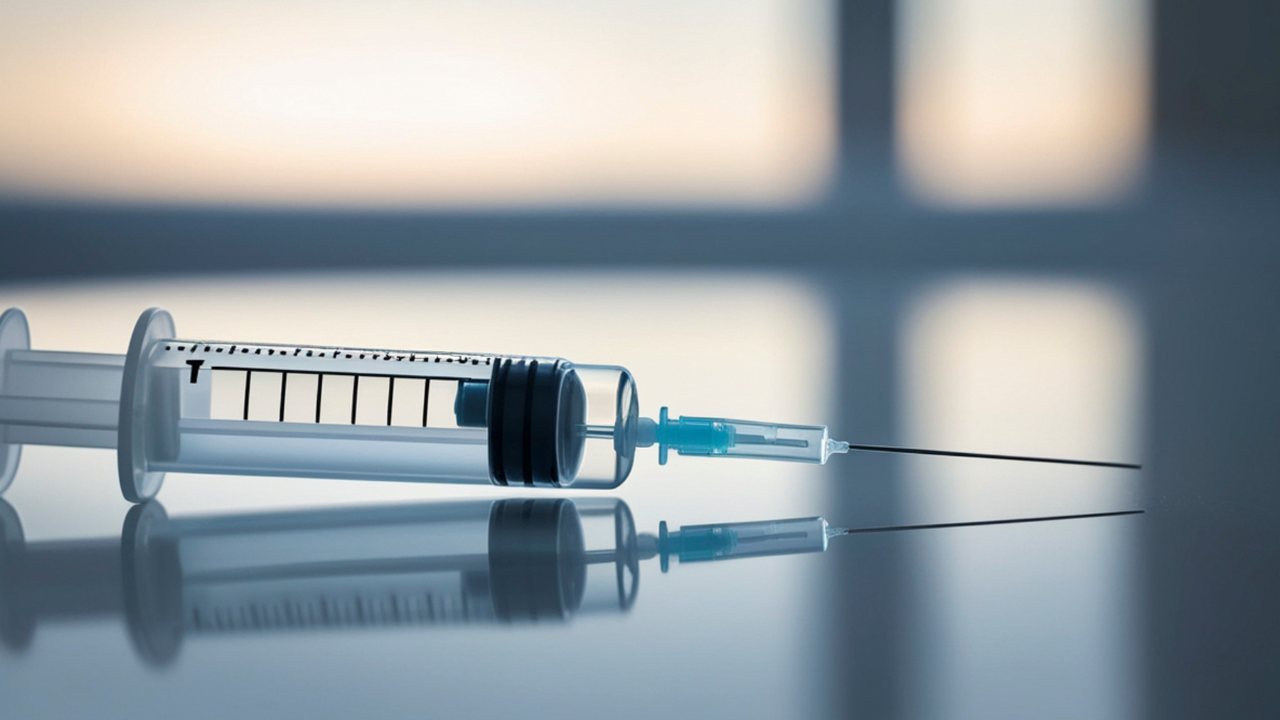
Blood tests? Invasive hassle. Urine? Grab a cup, the test is done. Scalable, non-expensive, and body-wide intel from head to toe via those sneaky vesicles. Sure, it’s not DNA methylation’s gold standard, but it smokes many blood RNA rivals in big cohorts, dodging hydration hiccups with clever math.Think annual checkups spotting silent aging surges, or trials proving that kale smoothies or fasting actually rewind your clock. For clinics, it’s a risk radar—not a diagnosis, but a wake-up call before disease digs in.
The catch
People under 25 or seniors over 80? Results get fuzzy. Cancer or bladder woes? Proceed with caution. Raw data’s under wraps, craving fresh labs to confirm. But once tuned for specific diseases, this could explode into home kits tracking your anti-aging hacks.In a world chasing longevity elixirs, your urine just became the ultimate weapon. Ready to face what it says about your inner age? Science says start flushing out the truth today.
About the Author