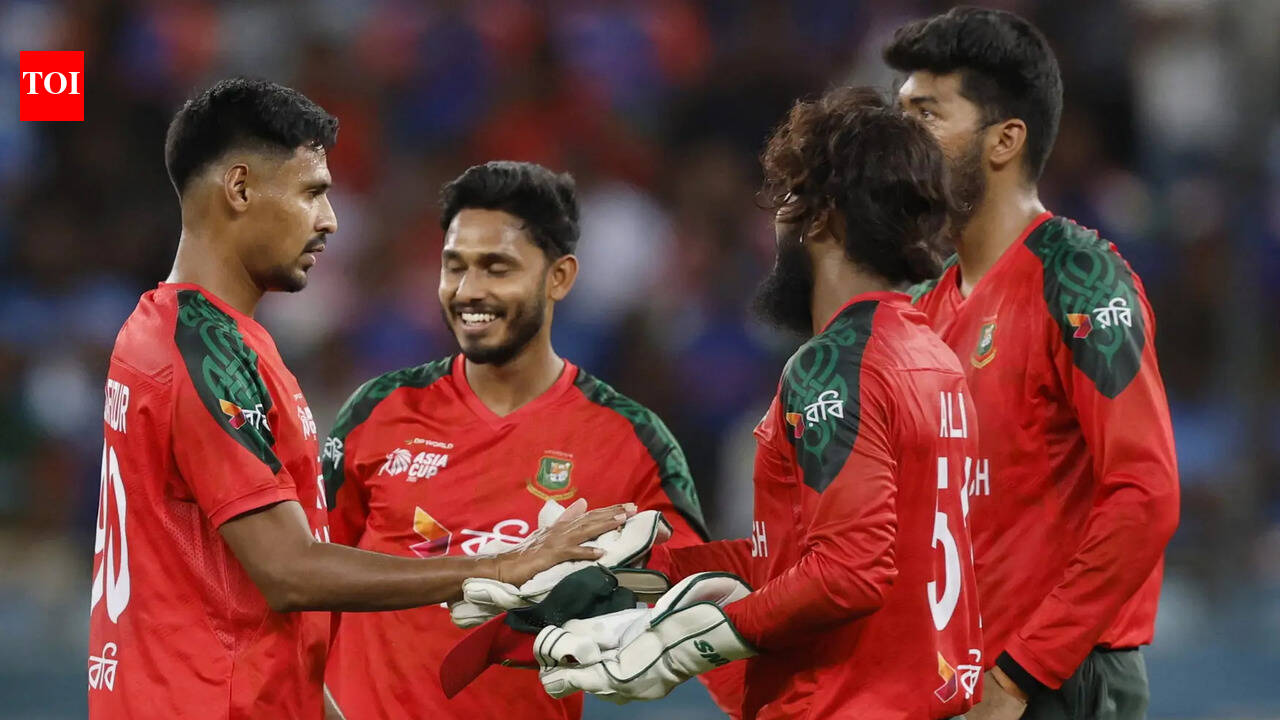
Former South African cricketer Jonty Rhodes has weighed in on Bangladesh’s dramatic exit from the 2026 ICC Men’s T20 World Cup, acknowledging that politics and cricket often collide, no matter how hard administrators try to keep them apart. Bangladesh were replaced by Scotland after the Bangladesh Cricket Board refused to tour India for the tournament, citing security concerns. The World Cup is scheduled to be co-hosted by India and Sri Lanka from February 7 to March 8. The BCB had pushed for its matches to be moved to Sri Lanka, but the ICC rejected the request after weeks of consultations and independent security reviews which found no credible threat.
Speaking at a T20 World Cup promotional event, Rhodes reflected on the wider issue of politics influencing sport, drawing on his own experiences from South Africa’s apartheid era. “I mean, you always think, let’s keep politics out of sport… but sadly, you can’t separate politics from sport,” Rhodes said. Rhodes pointed out that history had shown how sport and politics have intersected before, including during his playing days when South Africa faced international isolation. His comments came amid growing debate around whether the ICC could have shown more flexibility in Bangladesh’s case. The former South Africa great also shifted focus to the tournament itself, praising the ICC’s decision to expand the event to 20 teams and highlighting the unpredictable nature of the shortest format. “The T20 World Cup now has 20 teams. I think what the ICC is doing is fantastic, hosting a 20-team tournament,” Rhodes said. “I live in India for five months of the year, so I’m looking forward to the World Cup being held in my home. As for who might win, who might reach the semi-finals, it’s very difficult to predict. In T20 cricket, one player can change the game in 10 minutes.” The ICC has maintained that Bangladesh’s removal followed an extensive process. Over a period of more than three weeks, the governing body held multiple meetings with the BCB, both virtually and in person, and shared detailed security and operational plans covering federal and state arrangements in India. Despite repeated assurances, Bangladesh did not reverse its position within the deadline set by the ICC. With no agreement reached, the ICC confirmed Scotland as Bangladesh’s replacement, selecting them as the highest-ranked team outside the original qualification list, bringing an end to a tense and politically charged episode in the lead-up to the global event.
About the Author