
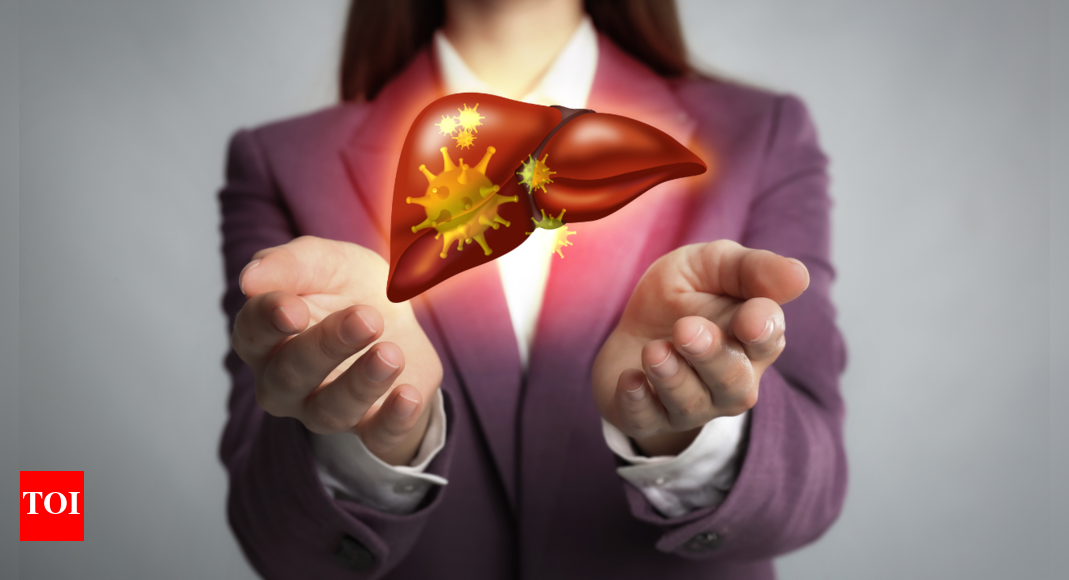

World Hepatitis Day is observed each year on 28 July to raise awareness of viral hepatitis, an inflammation of the liver that causes severe liver disease and liver cancer. This year’s theme is Hepatitis: Let’s Break It Down, shows urgency, a prompt action to dismantle the financial, social stigma that is attached to this condition against eliminating it.According to data published by the World Health Organisation (WHO) 304 million people are living with chronic hepatitis B and C since 2022, and 1.3 million people died of it in 2022 itself.Dr. Catharia Beohme, officer-in-charge of the WHO South-east Asia region, clearly stated that Viral hepatitis continues to be a needless suffering among thousands of innocent people, silently attacking our liver, spreading cancer, and causing hundreds of thousands of preventable deaths each year. She said, “Across the Region, an estimated 61 million people live with hepatitis B, and 9 million with hepatitis C. Our Region bears one of the highest burdens of chronic viral hepatitis globally, yet most people living with the disease remain undiagnosed and untreated.” this is a global burden we are all suffering under and this needs to be addressed as son as possible.According world hepatitis alliance, Hepatitis is the world’s deadliest virus after COVID-19, and more than 300 million people are living with hepatitis. Surprisingly, it is the leading cause of liver cancer.
What is Hepatitis

Hepatitis is an inflammatory disease of the liver that is caused by infectious viruses and Noninfectious agents, leading to a range of health problems, including severe liver damage and cancer, which we all know how deadly it is. There are 5 major strains of this virus,s namely A, B, C,D and E. While the other is no less than the first, particularly, each of them offer a different kind of liver disease. In particular, types B and C lead to chronic disease in hundreds of millions of people and together are the most common cause of liver cirrhosis, liver cancer and viral hepatitis-related deaths.
What are the symptoms of Hepatitis

People with hepatitis may or may not exhibit symptoms. Major symptoms include:
- Fever
- Malaise
- Loss of appetite
- Nausea
- Diarrhoea
- Abdominal discomfort
- Jaundice
- Dark-coloured urine
Specifically, hepatitis B, C, and D can cause liver infection, which can later develop in liver cirrhosis or liver cancer.
How to protect ourselves against Hepatitis B and its spread
Hepatitis B is an infection of the liver caused by the hepatitis B virus. The infection can be acute (short and severe) or chronic (long term). Hepatitis B can be prevented with a safe and effective vaccine. The vaccine is usually given soon after birth with boosters a few weeks later. It offers nearly 100% protection against the virus.
Ways it can be contracted

Hepatitis B can commonly spread from mother to her child at birth or through horizontal transmission, especially from an infected child to an uninfected child during the first 5 years of their life.Hepatitis B is also spread by an infected person’s needle, tattooing, piercing and exposure to infected blood and body fluids, such as saliva and menstrual, vaginal, and seminal fluids. Transmission of the virus may also occur through the sharing or reuse of contaminated needles and syringes or sharp objects, either in health care settings, in the community or among persons who inject drugs. Sexual transmission is more prevalent in unvaccinated persons with multiple sexual partners.
Is it easily diagnosed?
Its diagnosis requires a lab test, as its symptoms can mimic other hepatitis symptoms as well. WHO recommends screening in high-prevalence areas, pregnant women, blood donors, and high-risk groups. Only 13% of infected people knew their status in 2022, and 3% were receiving treatment. Coinfection with HIV occurs in about 1% of Hepatitis B cases; treatment for HIV often also treats Hepatitis B (WHO)Hepatitis, especially Hepatitis B remains a significant global health challenge, affecting millions, to reduce this global burden, this is an earnest request to spread as much information about it as possible, as this deadly disease requires a coordinated global action.
About the Author