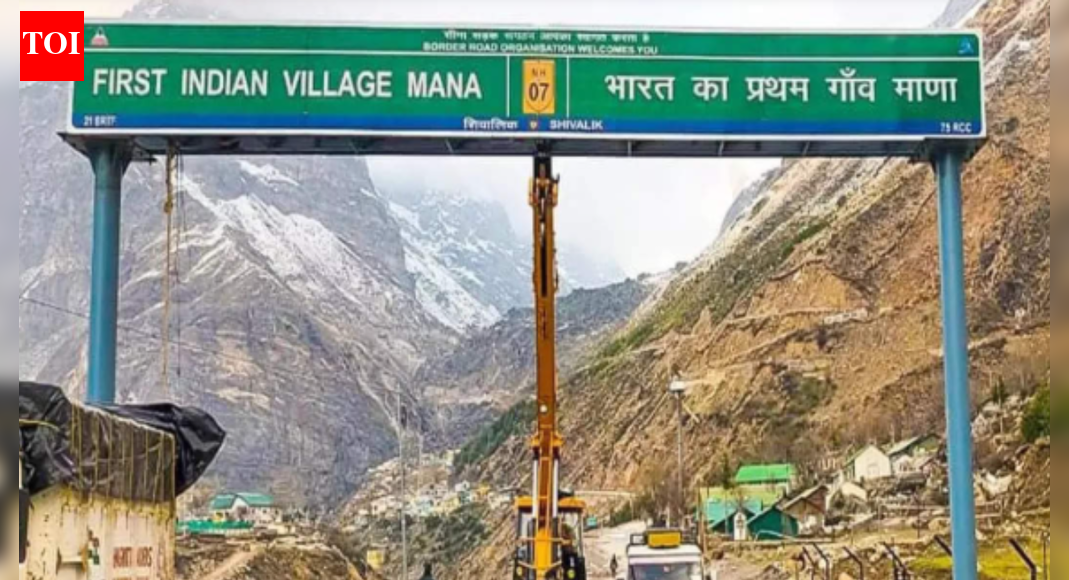
Not long ago, it carried a very different identity. Tucked away near the Indo-Tibetan border, this remote Himalayan settlement was popularly referred to as India’s Last Village. Today, it has undergone a symbolic rebranding and is now recognised as India’s First Village. The place in question is Mana Village, located in Uttarakhand’s Chamoli district.Set against dramatic mountain backdrops, Mana is a small but deeply significant village, known as much for its spiritual and cultural roots as for its striking natural beauty. Its new title reflects a shift in perspective, allowing it to view not from its end, but from its beginning. A village shaped by history and culture
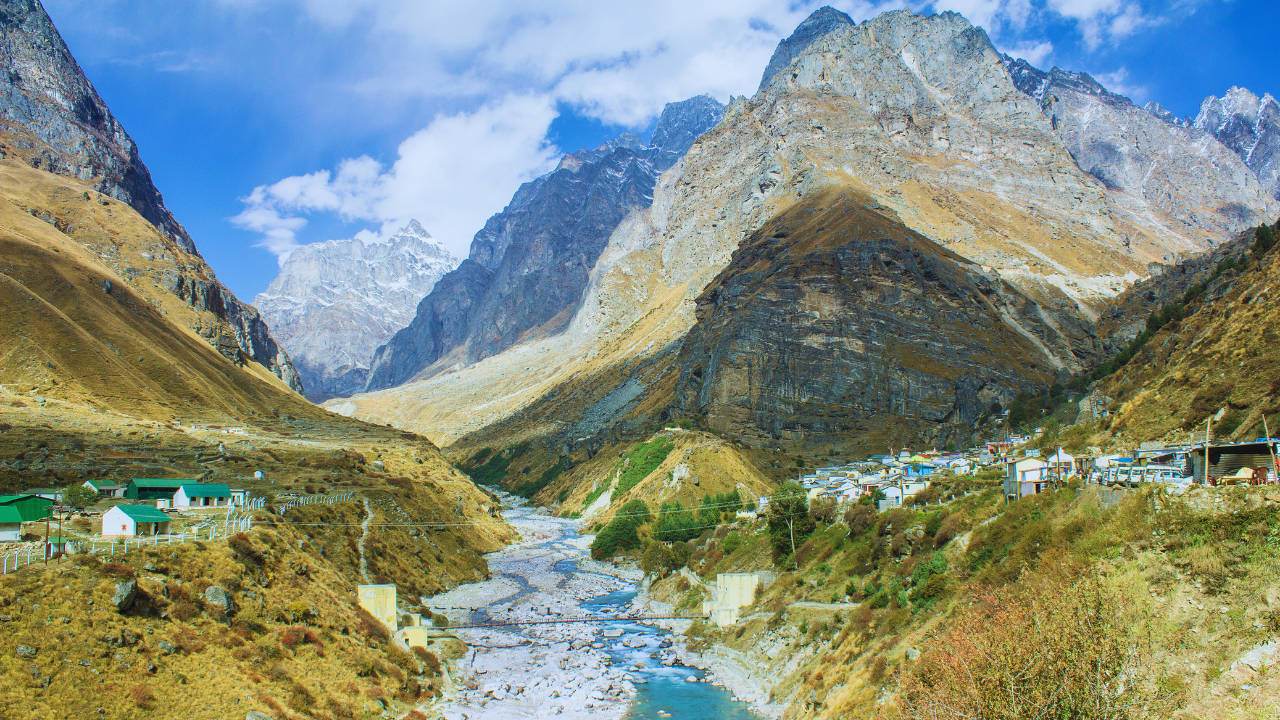
Essentially located at an altitude of about 3,200 m, Mana primarily hosts the Bhotiya community, an indigenous group with centuries-accrued traditions linked to trans-Himalayan trade and mountain life. Village pathways, stone-built houses, and seasonal rhythms all create a sense of closeness to a lifestyle couched between hard winters and strong social bonds. For Mana, the cultural vibrancy of its people further highlights the remoteness of the geography-festivals, folklore, and everyday hospitality to guests, all continue to play their parts in village life.Read more: Indian Railways’ RailOne App Offer: 3% discount on unreserved tickets explained Gateway to the high Himalayas Hemmed in on three sides by towering Himalayan peaks, Mana is the natural starting point for several trekking routes that attract thousands of adventure seekers every year. One of the best treks is to the Vasudhara Falls, set about six kilometres from the village. The hike twists its way through alpine territory taking in fantastic panoramas of snow-capped peaks and green valleys before reaching the roaring falls.
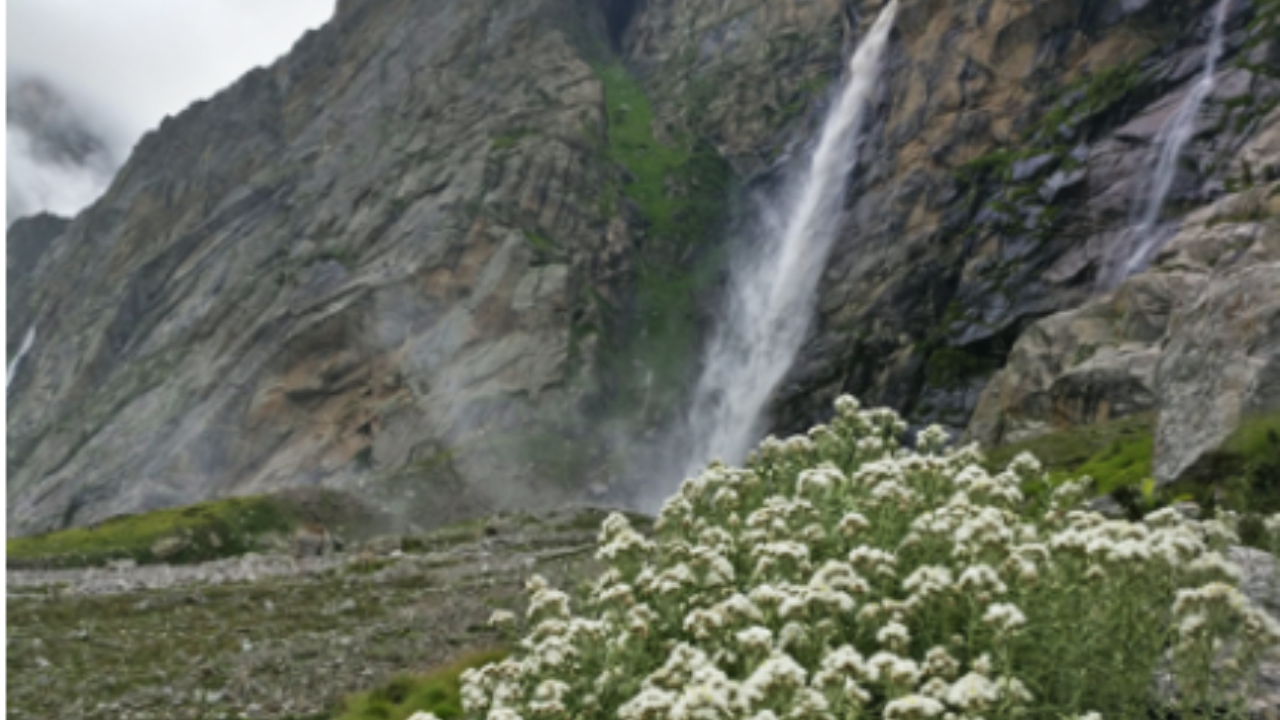
With its serene environs, fresh mountain breeze, and rustic surroundings, the village is a popular haunt for discerning travellers that seek respite away from the hustle and bustle of more crowded hill stations.Myth, rivers, and sacred spaces Compounding Mana’s allure is its location near the Saraswati River, thought to be an outlet of the mythical river described in ancient Indian manuscripts. This connection gives the place a mystical link that appeals to pilgrims and history buffs.
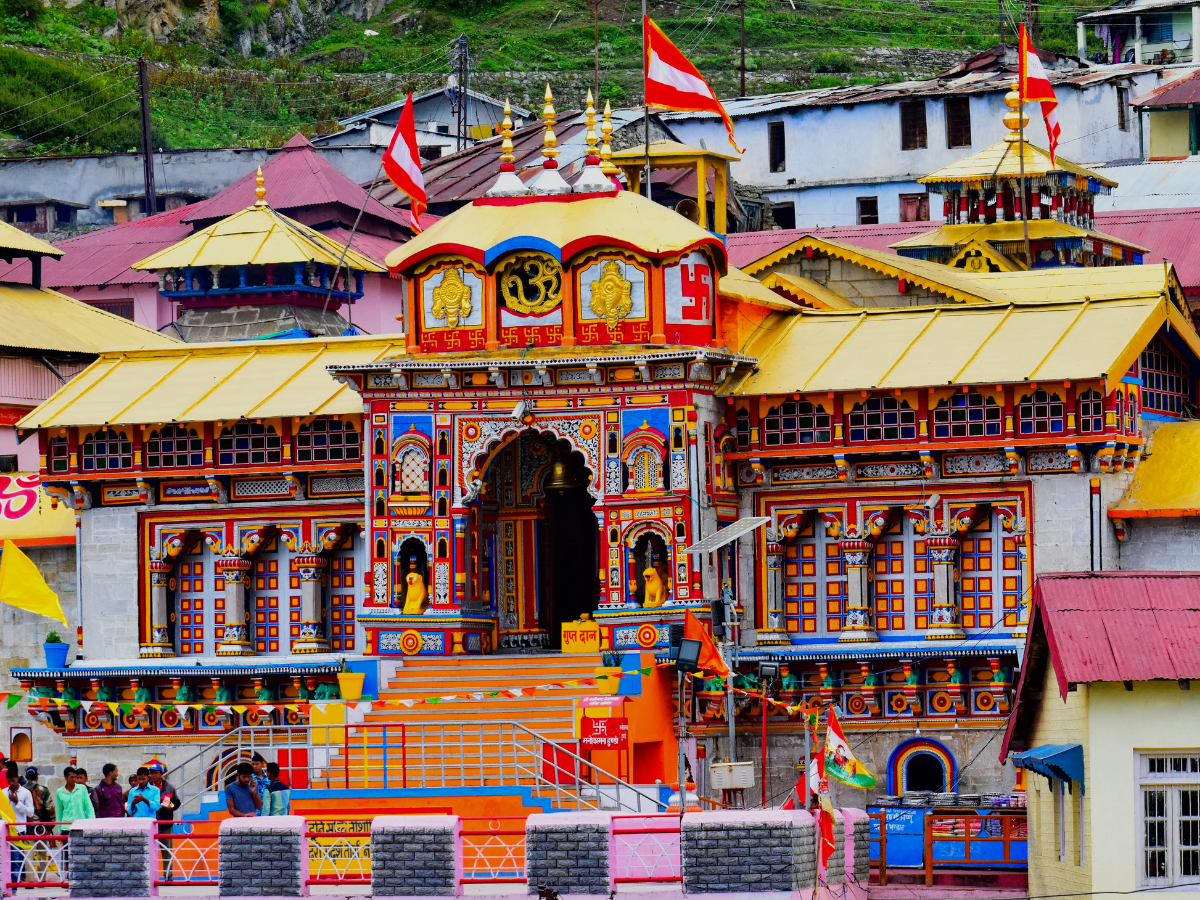
Mana also is located very near to the sacred temple of Badrinath, another pilgrimage site in the Char Dham circuit. The village is visited by many pilgrims as a stopover on the way to Badrinath. Vyas Cave and Ganesh Cave have been named after sage Vyasa and Lord Ganesha, corresponding to Hindu myths of the area.Read more: Which country has the world’s largest tiger population: China, India or Russia? Getting there and staying options It is connected by road with Joshimath and other major towns of Uttarakhand. The closest airport is Dehradun at around 300 km and nearest railway station is Rishikesh, nearly 270km from the village. Mana is a short and beautiful drive from Joshimath, through some classic Himalayan country.Accommodation in Mana is simple, offering basic guesthouses and homestays with a decent level of comfort. Most visitors spend the night in Badrinath itself, but if you opt to stay in the village itself, you get to be closer to local life and a pleasant environment. Once known as India’s last outpost, Mana today stands at the symbolic beginning of the country—where mythology, mountains, and memory come together at the edge of the Himalayas.
About the Author