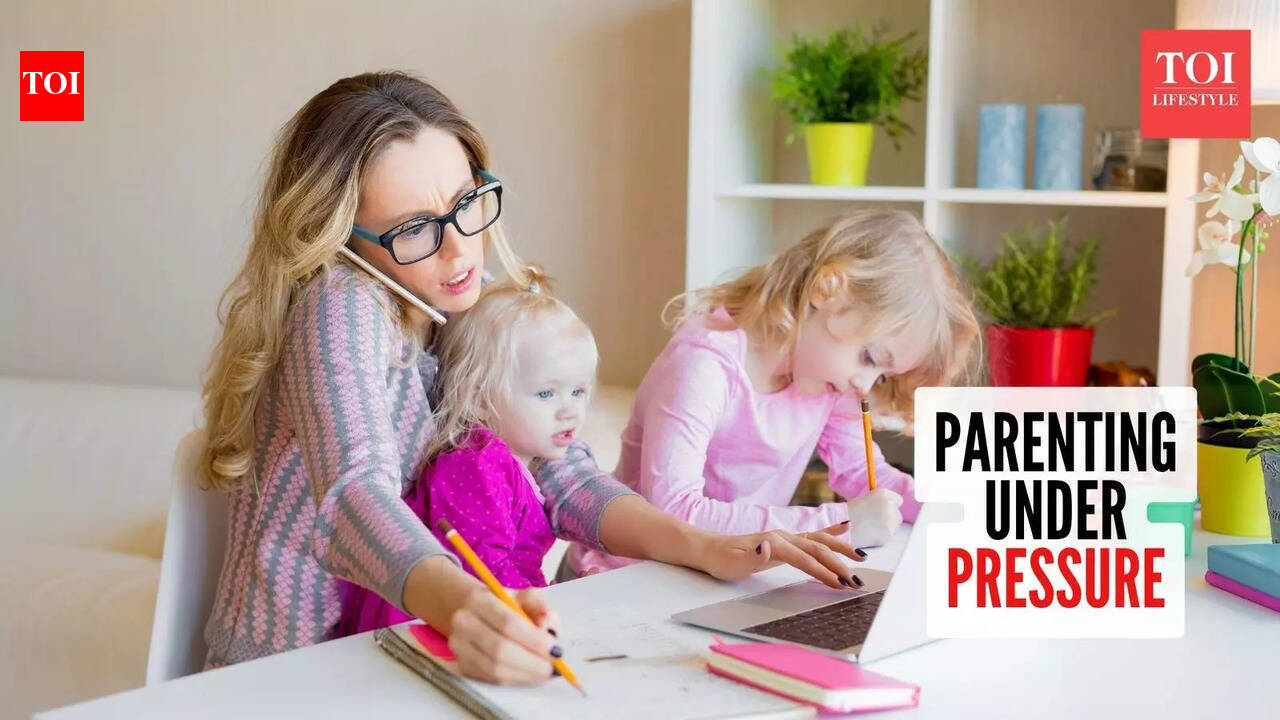

Parenting rarely looks calm from the outside. Shoes stay unworn, vegetables go untouched, and bedtime becomes a daily battle. For Nicky Perfect, these moments feel familiar. She spent over 30 years as a Metropolitan Police officer and a decade as an international hostage and crisis negotiator with New Scotland Yard.In an interview on the BBC’s Parenting Download podcast, she shared something surprising. The skills used in life-or-death negotiations can also help parents stay steady at home. Not because children are threats, but because emotions, control, and trust matter in both places.
Why parenting can feel high-stakes too
Nicky Perfect does not compare children to criminals. What she points out is the pressure parents feel in the moment. A wrong word can lead to tears. A rushed answer can trigger anger.In negotiations, every response is chosen carefully. At home, parents often react quickly because emotions run high. Her message is simple. Parenting is not about winning. It is about keeping connection intact, even when feelings are loud.
The “no-choice choice”: Control without conflict
Children test limits because they want power over their own lives. Saying “because I said so” may end the discussion, but it rarely ends the struggle.Nicky suggests offering what she calls a “no-choice choice.” The outcome stays the same, but the child gets a say in how it happens.A coat must be worn, but the child can choose whether it goes on indoors or outside. Vegetables must be eaten, but the choice is between broccoli or sprouts.This works because children feel respected. They are not forced into silence. Even small choices can lower resistance and build cooperation.
The 90-second pause that saves conversations
One of the most powerful tools Nicky shared is waiting 90 seconds before responding during emotional moments. That pause allows the brain to settle before words are spoken.She recalls advice from an FBI agent: people cannot be changed, but responses can be chosen. This applies deeply to parenting.Sometimes the best response is honesty. Saying, “This feels emotional right now, and time is needed to think,” shows control without rejection. Silence can also be a form of listening. Children notice when emotions are handled with care instead of force.

Image credit: BBC
A personal moment that reshaped her parenting
Nicky used this pause in her own life as a co-parent. When her stepdaughter shared a wish to spend Christmas Day with her father after a move, the first reaction was emotional pain.Instead of reacting, she paused. She reminded herself that the day belonged to the child, not the adult. That pause allowed space for acceptance and later planning.The result was not loss, but a new tradition built around respect. This moment reflects her belief that parenting choices shape trust long after the day ends.
Seeing the world through smaller eyes
Negotiators succeed by understanding the other person’s point of view. Nicky believes parents can do the same.Children do not resist bedtime because they dislike sleep. They resist because play feels suddenly taken away. A sudden command can feel like loss of freedom.Her suggestion is preparation, not surprise. Talking about the evening plan early helps children feel included. Saying what comes next gives them time to adjust emotionally.When children understand what is coming, even unwanted changes feel less threatening.
Honesty works better than authority
One idea runs through all her advice. People, including children, respond better to honesty than expected. Explaining why something matters builds understanding.This does not mean endless explanations. It means clear reasons, shared calmly. When children feel heard, they are more open to cooperation.Nicky’s approach treats children as people learning how to manage emotions, not problems to be fixed. That shift alone can change how a household feels.Disclaimer: This article is based solely on statements shared by Nicky Perfect during her interview on the BBC’s Parenting Download podcast. It does not replace professional parenting or mental health advice. Parenting experiences differ, and readers are encouraged to choose approaches that suit their family’s needs.
About the Author