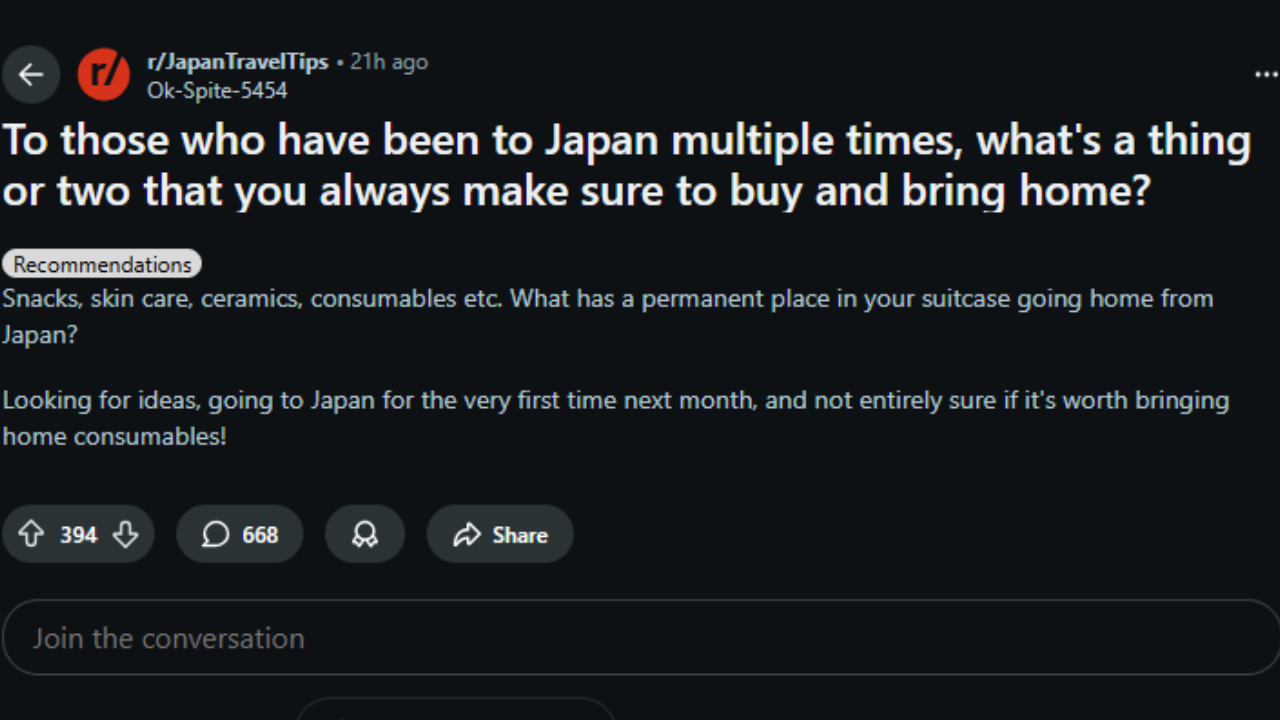
Every seasoned traveller knows this moment. The trip is booked, the countdown has begun, and we are all set to explore what we have long seen in postcards, reels, or any medium as a matter of fact. And like always, we always have our checklist prepared, with regards to what places to cover, and what things to bring back home. Recently, during a conversation about travel to Japan, the topic turned to the souvenirs people most commonly ask visitors to bring back. When faced with the same question, the only thing that initially came to my mind was electronics—surely Japan is best known for it.For first-time travellers, that question can feel bigger than expected. Is it worth hauling snacks across continents? Do everyday items really make sense as souvenirs? Or will they end up forgotten at the back of a cupboard?Read more: ASI enables online ticket booking for 170+ monuments: What visitors should knowFor people heading to Japan for the first time, that uncertainty is especially common. Japan has a reputation for precision, design, and thoughtfulness in even the smallest details, but it’s hard to imagine how that translates into what ends up in a suitcase.That’s exactly when I turned to Reddit for some bright ideas. Luckily I found a post, asking “For those who’ve been to Japan multiple times, what do you always bring home?”
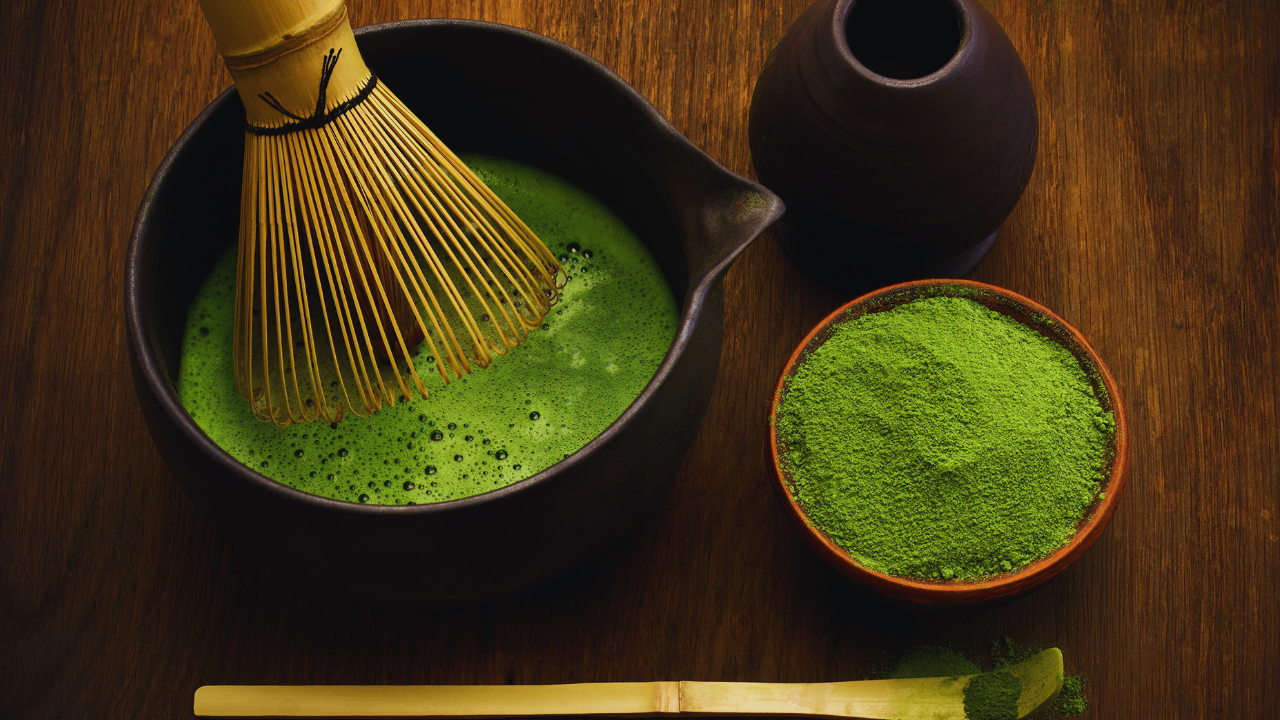
What followed wasn’t just advice. It was a collective portrait of how Japan changed the way people think about “souvenirs.” I got my ideas too.Skincare topped the list, products that frequent visitors said they simply couldn’t replace back home. One mentioned sunscreen so light and effective that it became a staple they rationed carefully once they returned. Others talked about hand creams and even band-aids, items so thoughtfully designed that they stopped feeling mundane.Food quickly took over the conversation. Travellers spoke about furikake, Japanese rice seasoning, as if it were a quiet essential. Something small enough to pack easily, yet powerful enough to transform a simple meal months later.Then tea dominated the discussion, not just matcha, but regional blends and roasted varieties like hojicha that are hard to find or overpriced elsewhere. A few admitted to stuffing bottles of whisky, sake, or beer into their luggage if they discovered one they loved, accepting the weight as part of the ritual.
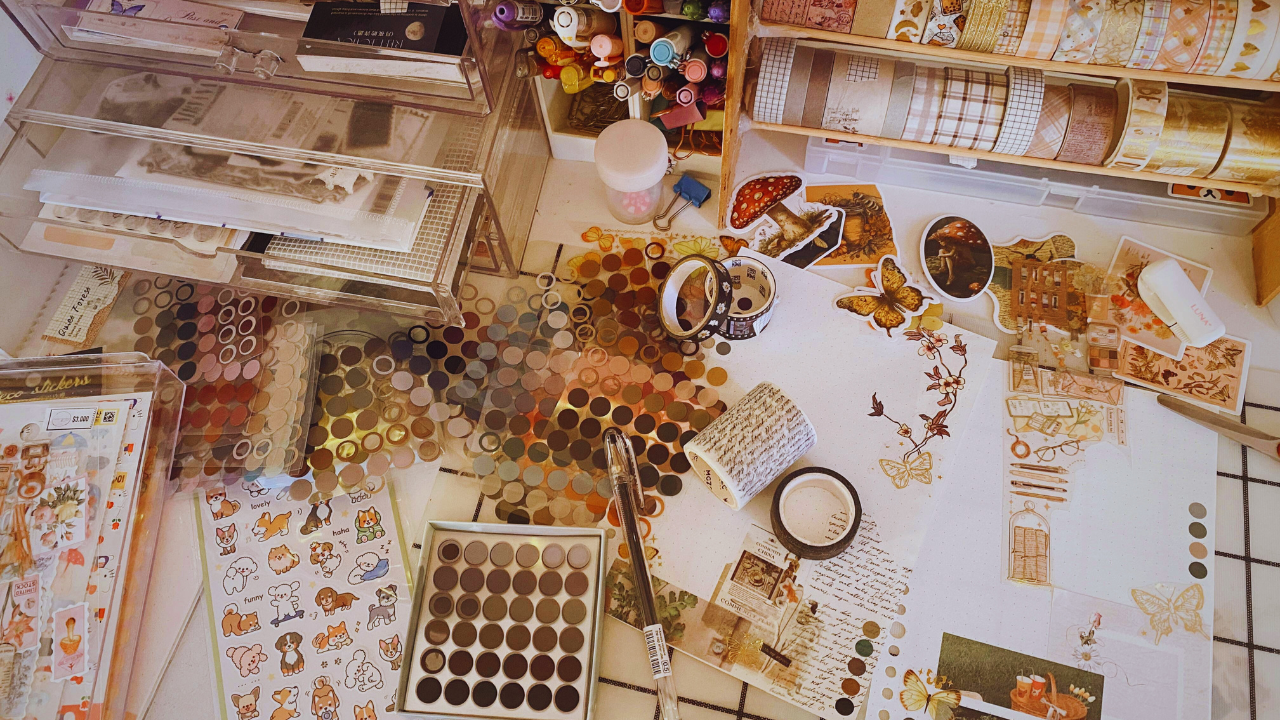
Then came the Kit Kats.Japan’s region-exclusive flavours sparked humour and disbelief in equal measure. Tea-flavoured Kit Kats prompted genuine surprise. The idea of temple-themed versions led to jokes about flavours no one wanted to imagine. But, what came out of the discussion was that these weren’t just chocolates. They were edible markers of place, tied to specific regions and moments, sold nowhere else.The thread then wandered to Japan’s stationery awards—an entire ecosystem of pens, notebooks, and everyday tools designed with obsessive care, which caught my attention. For another commenter, this was a revelation. A new obsession unlocked before they’d even left home.
Clothing made an appearance too. Basic wardrobe staples bought locally, travellers said, often cost far less in Japan than in Europe or the US, especially after currency conversion. Others talked about buying hojicha in bulk, knowing they’d miss it the moment they left.What stood out was that the things people carried home weren’t luxury purchases or display pieces. They were objects meant to be used until they ran out. Sunscreen applied daily. Tea brewed on quiet evenings. Rice seasoning sprinkled on rushed meals. A notebook that slowly filled up.Read more: 10 countries with most numbers of vegetariansBy the end of the discussion, I assumed that Japan doesn’t just send people home with memories. It sends them home with habits. I got my ideas; hopefully this article might be of some help to our readers too. See, for the first-time visitors, that may be the real surprise. They don’t return with souvenirs meant to sit untouched. They come back with small, ordinary things that quietly transform them, and in using them, they find themselves returning to Japan in ways they didn’t expect.And somewhere between the snacks, the skincare, and the stationery, they realise that the best things to bring back are often the ones you’ll eventually run out of—and wish you hadn’t.
About the Author