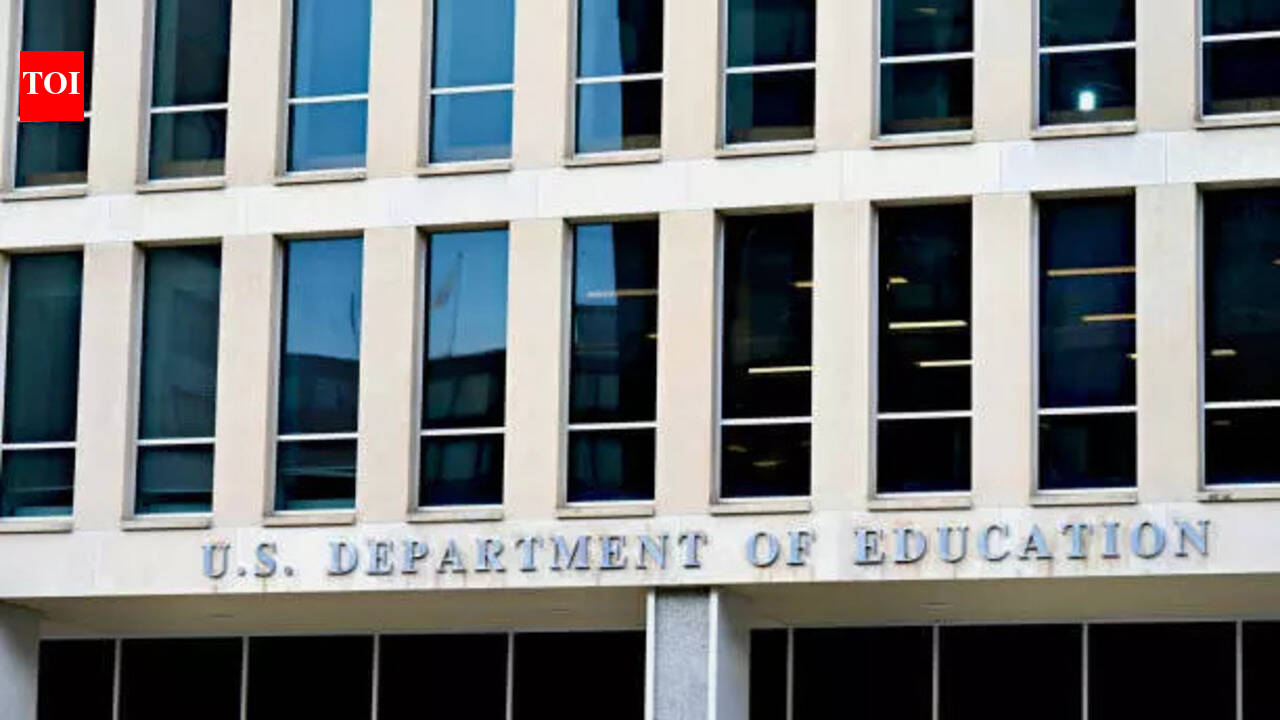
The U.S. Department of Education has announced a temporary pause on involuntary student loan collections, including wage garnishments and federal offsets. This decision is part of the Department’s preparations to implement significant changes through the Working Families Tax Cuts Act, which is expected to simplify repayment and increase borrowers’ control over their federal student loans.For a lot of people, student loans have been more than a financial issue. They have been a constant source of worry and stress over the years. Borrowers are often left feeling cornered due to various repayment plans, complicated regulations, and accumulating interest. These changes are intended to break down that complexity and make it easier for people to find their way around the system.
Making repayment simpler
Prior to the changes, debtors could hardly find their way through the complicated scheme of repayment plans. The right plan selection seemed so puzzling, and as a result, errors frequently caused a default or a waste of interest. The updated regulations simplify things and provide the borrowers only two options: a regular repayment plan and a simplified income, driven repayment (IDR) plan.The upcoming IDR plan, set to start on July 1, 2026, has some borrower-friendly features. It will waive unpaid interest for those who make on-time payments, even if the payment doesn’t cover all accrued interest. In certain situations, the Department will also add small matching payments to ensure that the loan principal decreases each month. This means borrowers can see real progress in paying off their debt, instead of watching interest grow unchecked.
A second chance for borrowers in default
One of the most significant changes is giving borrowers a second opportunity to rehabilitate a defaulted loan. Previously, borrowers only had one shot at rehabilitation. Defaulted loans can ruin credit scores and make it difficult to access federal aid or secure other financial opportunities. With this reform, borrowers can rehabilitate their loans a second time, regain eligibility for federal aid, and work toward restoring their financial standing.The pause in collections gives borrowers breathing space to explore these new options. Those who were previously unsure or overwhelmed by garnishments now have time to consolidate their loans or start a rehabilitation agreement without the immediate threat of wage garnishment or tax offsets.
Why the department says this matters
Nicholas Kent, Under Secretary of Education, said the reforms are designed to make repayment fairer and more transparent. “We want borrowers to understand their options and regain control of their finances,” he said. “By pausing collections while these improvements are implemented, we can build a system that truly supports borrowers and strengthens the long-term health of federal student loans.”
What borrowers should do now
Even during the pause, borrowers in default are encouraged to reach out to their federal loan servicers to discuss repayment or rehabilitation. Defaulted loans are still reported to credit agencies, which can impact credit scores. Taking steps now can help borrowers take advantage of the new repayment plans and avoid further financial complications.
A new path forward
These reforms are among the most significant changes to federal student loans in recent years. By simplifying repayment and offering second-chance rehabilitation, the Department hopes borrowers can finally feel some relief and see progress on their debt. For millions of Americans struggling with student loans, this pause and the new options may offer a real opportunity to regain financial stability and confidence in the system.
About the Author