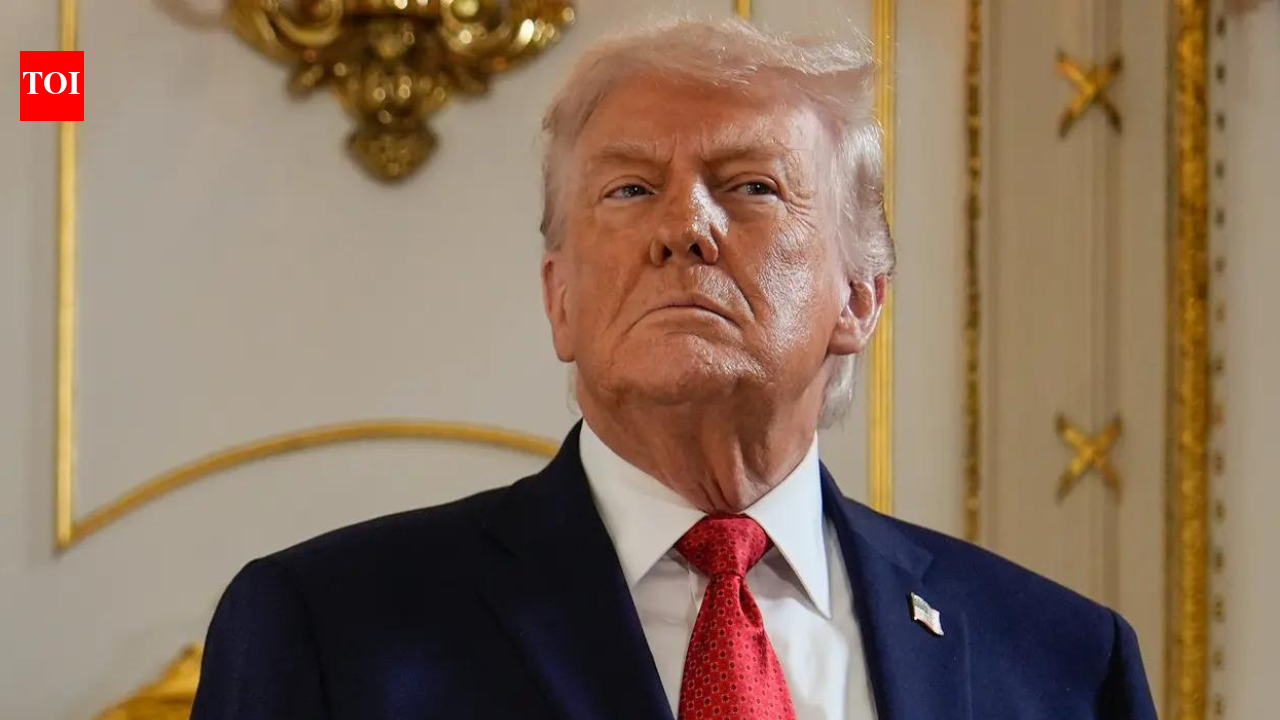
European Union leaders will hold an emergency meeting in Brussels on Thursday to decide how to respond to US President Donald Trump’s threat to impose new tariffs on several European countries.EU ambassadors met on Sunday and broadly agreed on a bilateral approach. This includes intensifying diplomatic efforts to discourage Washington from proceeding with the tariffs, while preparing retaliatory measures if the duties are imposed, EU diplomats said, according to Reuters.
Trump on Saturday said that he would introduce a new wave of tariffs from February 1 on Denmark, Sweden, France, Germany, the Netherlands, Finland, Britain and Norway. He called the move necessary until the United States is allowed to buy Greenland.European leaders sharply criticized the move, describing the threat as coercive and unacceptable.At Thursday’s emergency summit, EU leaders are expected to discuss two main options. The first is a previously approved package of retaliatory tariffs on €93 billion ($108 billion) worth of US imports. These measures were suspended for six months after the EU and the US reached a limited trade agreement last year; however, could automatically come into force from February 6 if no solution is found.The second option is the EU’s “Anti-Coercion Instrument” (ACI), a powerful but so far unused tool that would allow the bloc to restrict access to public procurement, investment, banking activity or trade in services. The United States runs a surplus with the EU in services, including digital services, making this a potentially significant step. EU sources said support for immediate use of the ACI remains mixed, with broader backing for tariffs as a first response.European Council President Antonio Costa, in a social media post, said that the consultations with member states showed strong unity in support of Denmark and Greenland and a shared readiness to defend against “any form of coercion,” according to Bloomberg. Danish Prime Minister Mette Frederiksen echoed that stance, saying Europe would not be blackmailed, while also welcoming the solidarity shown by other EU capitals.Denmark, however, has stressed the need to keep diplomatic channels open. Danish Foreign Minister Lars Løkke Rasmussen said Copenhagen would continue to focus on dialogue, pointing to a working group set up last week involving Denmark, Greenland and the United States. “The US is also more than the U.S. president. I’ve just been there. There are also checks and balances in American society,” he said.Diplomacy is also expected to feature prominently at the World Economic Forum in Davos, where Trump is due to deliver a keynote address on Wednesday, his first appearance at the event in six years. “All options are on the table,” one EU diplomat said, summarising the bloc’s approach as talks in Davos followed by leaders meeting in Brussels.The eight countries targeted by the tariff threat are already subject to US duties of 10% to 15%. They issued a joint statement on Sunday warning that tariff threats undermine transatlantic relations and risk a “dangerous downward spiral”. The statement said they were ready to engage in dialogue, based on respect for sovereignty and territorial integrity.Views within the EU remain divided on how hard a line to take. A source close to French President Emmanuel Macron said he favours activating the ACI.Irish Prime Minister Micheál Martin said retaliation was inevitable if tariffs were imposed but cautioned it was “a bit premature” to deploy the new instrument. Italian Prime Minister Giorgia Meloni called the tariff threat a mistake and said she had raised her concerns directly with him.In Britain, Culture Secretary Lisa Nandy said allies should work with the United States to resolve the dispute and avoid escalating rhetoric, stressing that London’s position on Greenland was non-negotiable.The tariff threat has also cast doubt on recent trade arrangements. The European Parliament is expected to suspend work on approving the EU-US trade deal, which was due to be voted on later this month. Lawmakers from major political groups said approval was not possible under the current circumstances.Markets reacted nervously to the developments, with the euro and sterling falling against the dollar and analysts warning of renewed volatility if the standoff deepens.
About the Author