
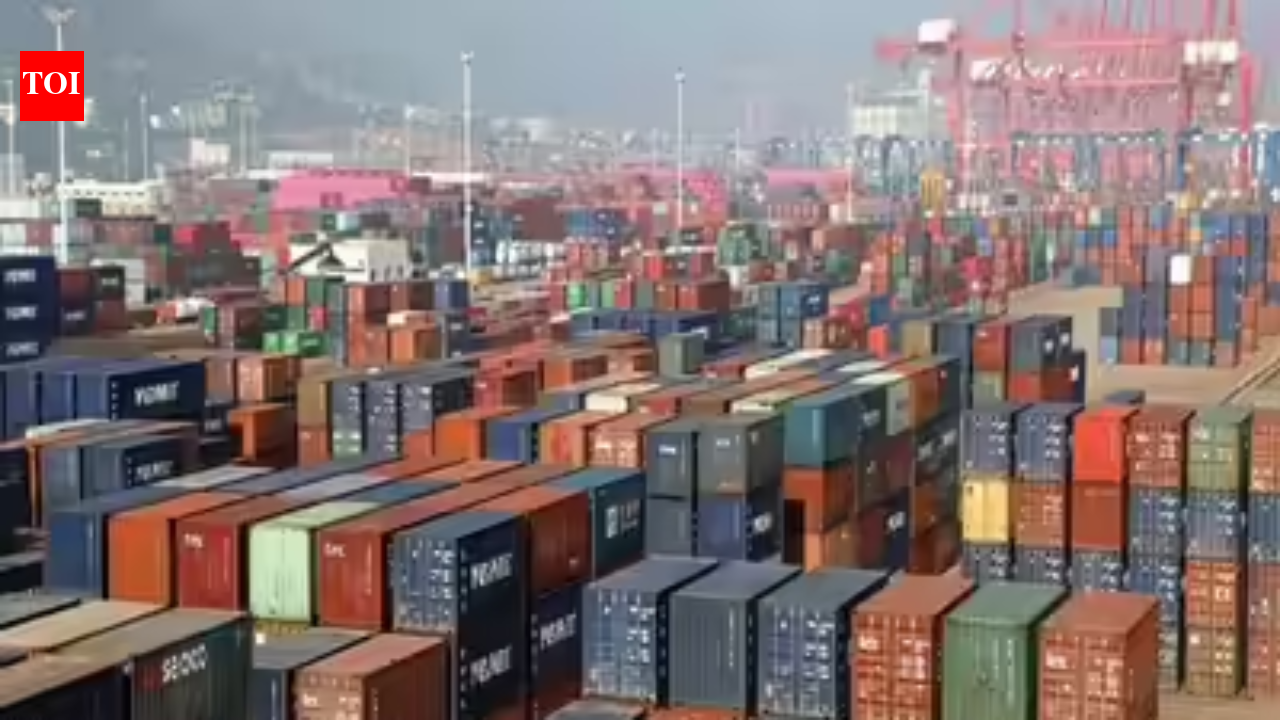
India needs a comprehensive overhaul of its import tariff structure and customs administration to reduce trade costs, improve manufacturing competitiveness and revive export growth, think tank Global Trade Research Initiative (GTRI) said on Saturday, PTI reported. In a report titled A Blueprint for Modernizing India’s Import Tariffs and Customs Regime, GTRI recommended a gradual move towards zero duty on most industrial raw materials and key intermediates, while adopting a low, standard duty of around 5 per cent on finished industrial goods over the next three years.The report also flagged the need to eliminate inverted duty structures, where inputs attract higher tariffs than finished goods, a practice that, it said, quietly erodes domestic manufacturing competitiveness.GTRI said extreme tariff rates, such as the 150 per cent duty on alcohol, should be rationalised, arguing that such levies encourage evasion while yielding negligible fiscal benefits.It added that tariff reform should focus on the total import duty burden, rather than just the headline basic customs duty, noting that importers face a cumulative load of cesses, surcharges and trade remedies that make effective tariffs far more complex than official rate schedules suggest.The report noted that India’s merchandise trade has crossed USD 1.16 trillion, with nearly 29 per cent of GDP flowing through customs clearances, making efficiency critical as global companies reassess sourcing amid geopolitical fragmentation.“India needs a sweeping overhaul of its import tariff structure and customs administration to cut trade costs, strengthen manufacturing competitiveness and revive export growth,” the report said.GTRI pointed out that customs duties now account for just about 6 per cent of gross tax revenue, averaging 3.9 per cent of the value of imports, indicating that tariffs are no longer a major revenue tool.The think tank highlighted that nearly 90 per cent of import value is concentrated in fewer than 10 per cent of tariff lines, while the bottom 60 per cent of tariff lines generate less than 3 per cent of customs revenue, making the current complex tariff schedule inefficient.“Maintaining such a complex tariff structure for limited fiscal return imposes high administrative and compliance costs,” GTRI founder Ajay Srivastava said.The report also called for simplifying customs procedures, citing a maze of overlapping notifications that force traders to navigate decades-old amendments, often without clear harmonised system (HS) code references.GTRI urged the government to issue self-contained notifications, publish all applicable import duties in a single unified online schedule, and improve transparency around the renewal of time-bound duty exemptions.To reduce disputes, it recommended aligning India’s duty drawback system with standard eight-digit HS codes, noting that the current separate coding for refunds increases errors and delays.The report further suggested liberalising approval norms for inland container depots and freight stations to support modern supply chains, redeploying customs officers toward audits and origin verification, and posting officers overseas to help exporters address non-tariff barriers.The report was co-authored by former IRS (Customs) officer Satish Reddy.
About the Author