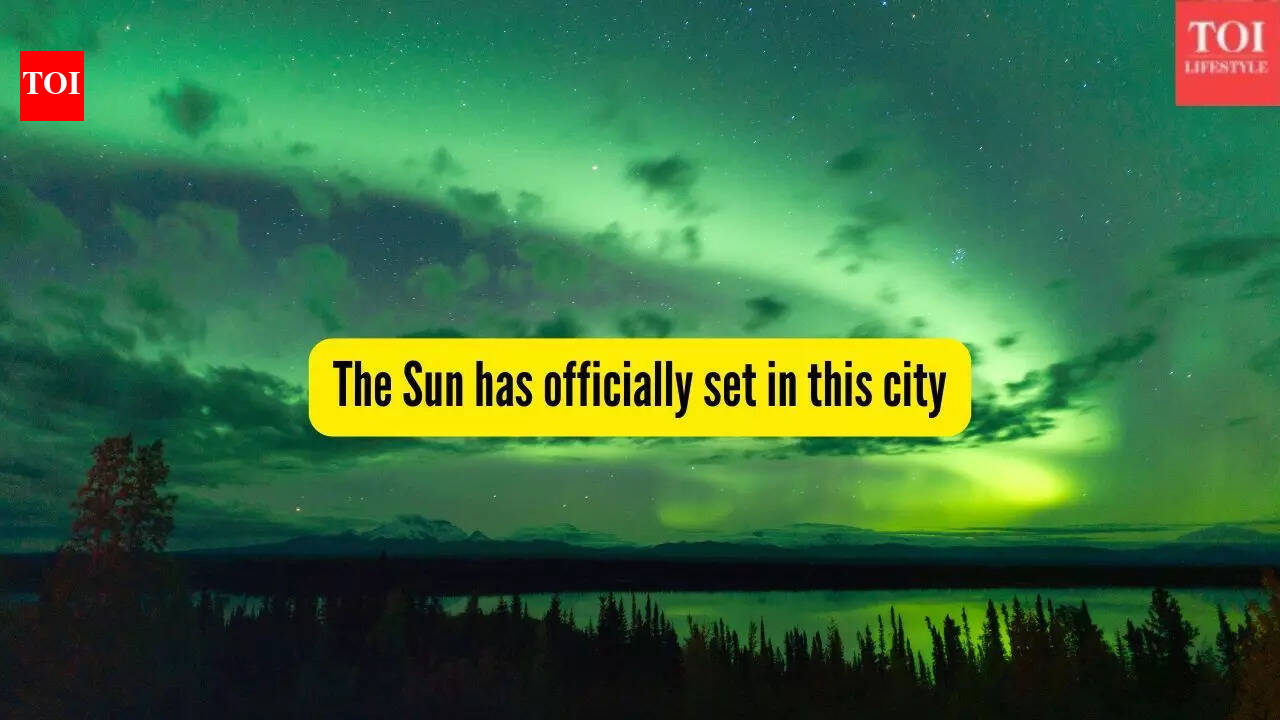

For residents of Utqiagvik (formerly Barrow), Alaska, living in natural darkness is a part of their lives.We are talking about the northernmost city in the United States where the Sun has officially set and it won’t rise until January 22, 2026. The city has entered its annual polar night, which is a phenomenon where the sun remains below the horizon for weeks. Now we can only imagine waking up without the Sun but for the people of Utqiagvik, it is their reality.Understanding the concept of Polar Night
Canva
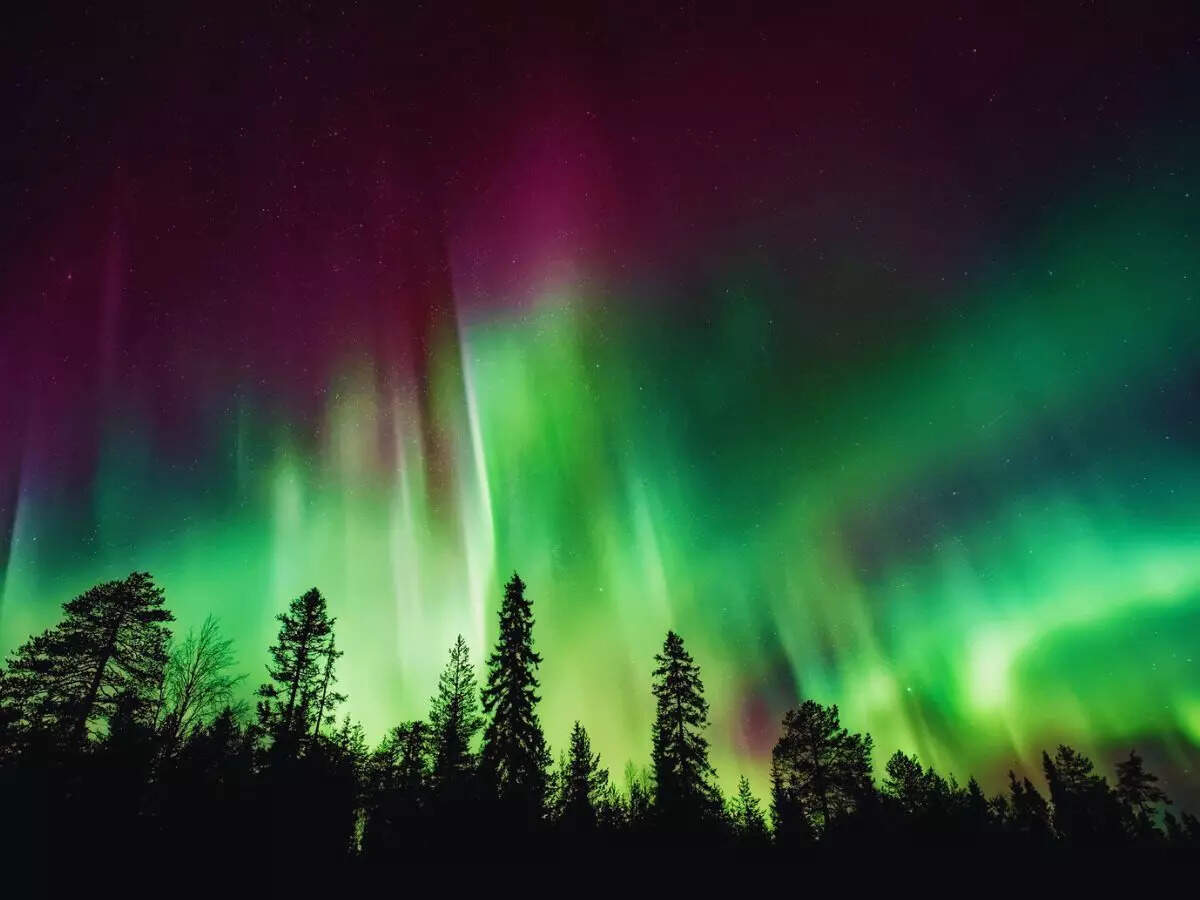
Polar night is a natural phenomenon which affects places which are set above the Arctic Circle. It is where Earth’s axial tilt blocks the Sun from rising above the horizon in the peak winters. However, it doesn’t mean people live in pitch darkness. The city does receive a few hours of twilight-like light. It is more like a soft blue or pink light also known as ‘Civil Twilight’.In Utqiagvik, the sun was set in mid-November. People are now eagerly waiting for it to rise again. However, when it happens, the Sun will appear only for a short time at first—sometimes for just a few minutes.Location of Utqiagvik
Canva
Utqiagvik in Alaska borders the Arctic Ocean. Around 4,500 people call this place home. Being one of the most extreme permanently inhabited cities in the world, life is not easy here. Winter temperatures dipping below –30°C and strong winds add to the difficulties but people have learned to survive and adapted to these conditions.No Sun, no worries!
Canva
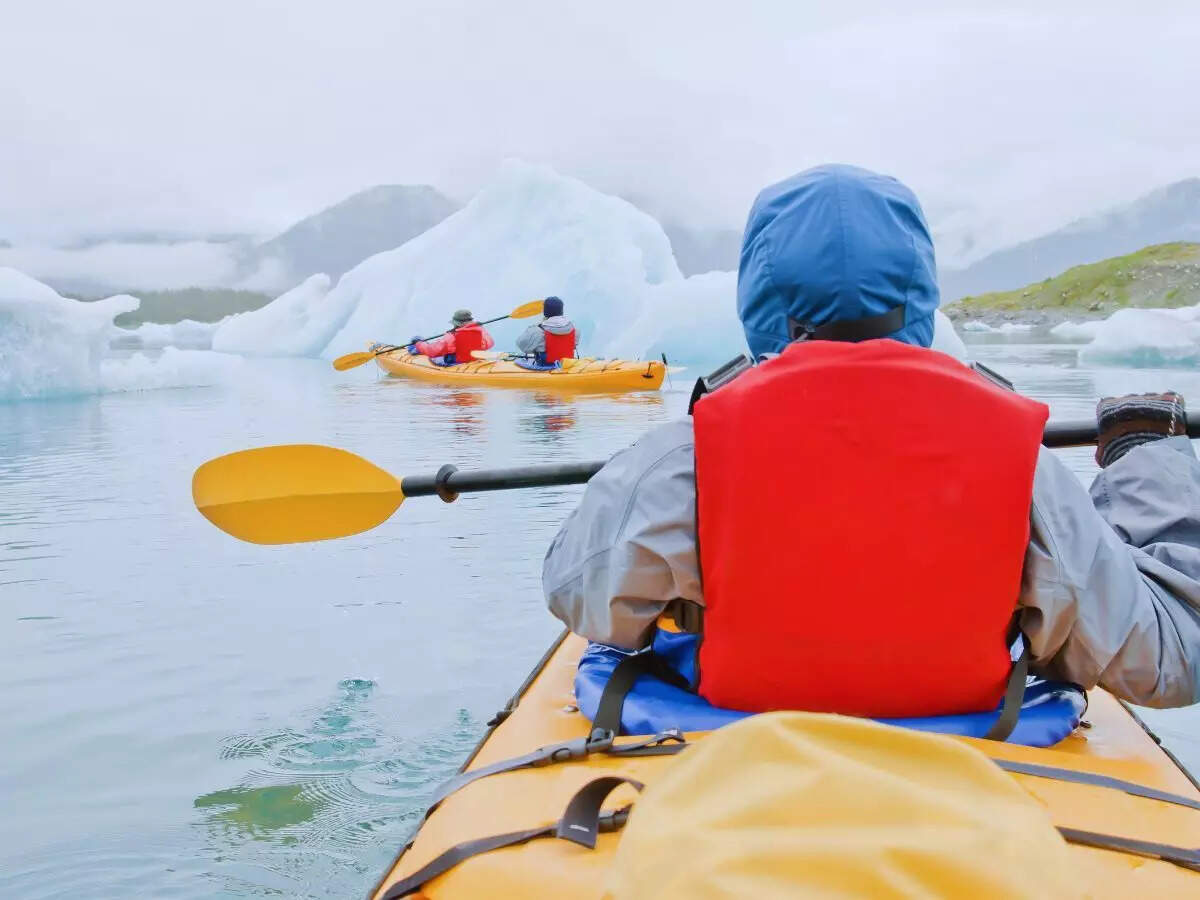
While many can’t even think of a life without the Sun, people here live through weeks of darkness. What works here are:Artificial light therapy is one of the most commonly used techniques to fight Seasonal Affective Disorder (SAD). It is a kind of depression connected to lack of sunlight. Houses in Utqiagvik have bright lights. Even schools, and offices are also brightly lit which helps people maintain a sense of normalcy. People remain connected. They gather around and enjoy community events, and traditional activities during long winters.Why January 22
Canva
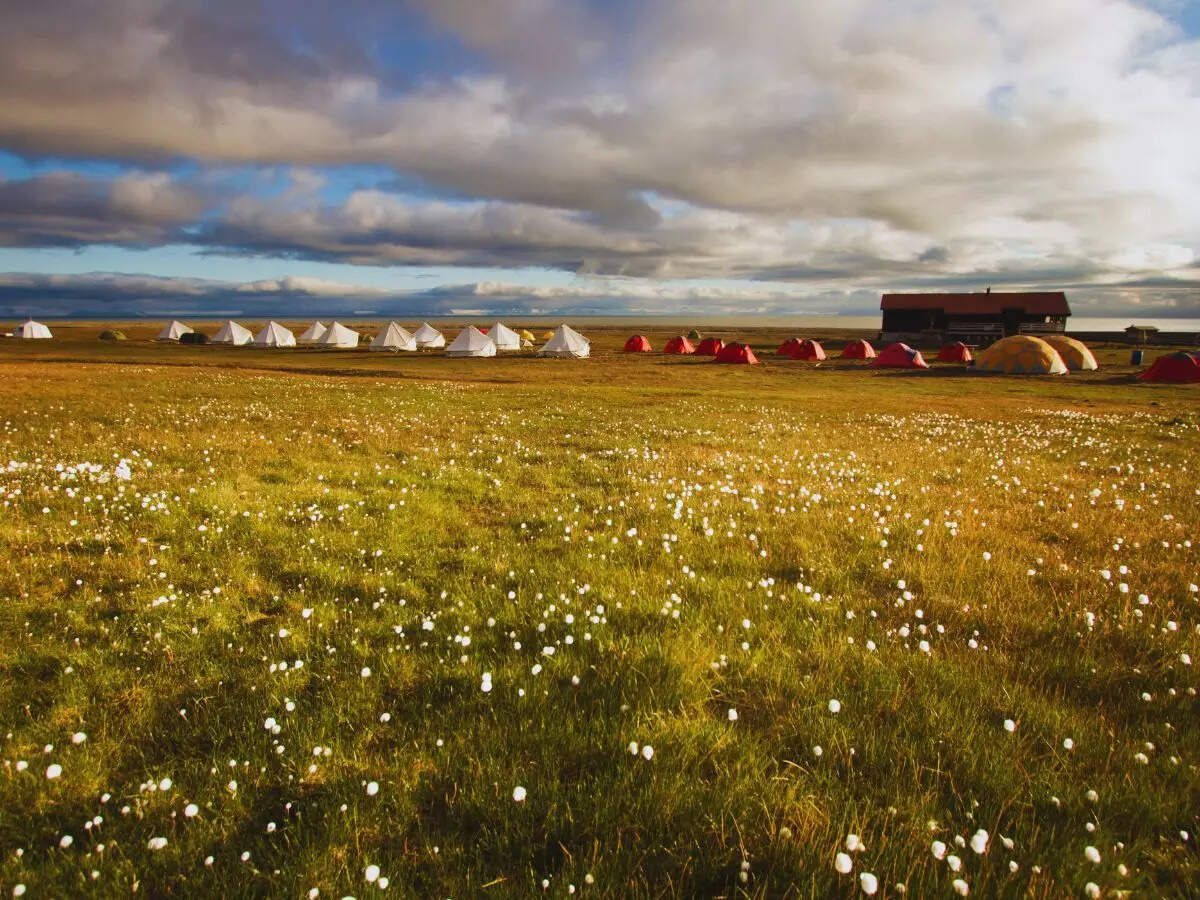
January 22 will be the day when Utqiagvik and the residents will enjoy the first sunrise of the year. This is the day when locals will celebrate the slow return of sunny days. The city will now start preparing for the midnight sun, when the sun never sets! One city that experiences two extremes!How to reach UtqiagvikReaching Utqiagvik is also an adventurous experience.By Air: Aeroplanes by far are the only practical way to reach Utqiagvik. Flights are available from Anchorage via regional airlines which takes around 1 hour 45 minutes. By Road or Sea: There are no roads connecting Utqiagvik to the rest of Alaska. Sea access is possible but only for a short time during summers. It is not a regularly used mode of transportation.Best time to visit Utqiagvik
Canva
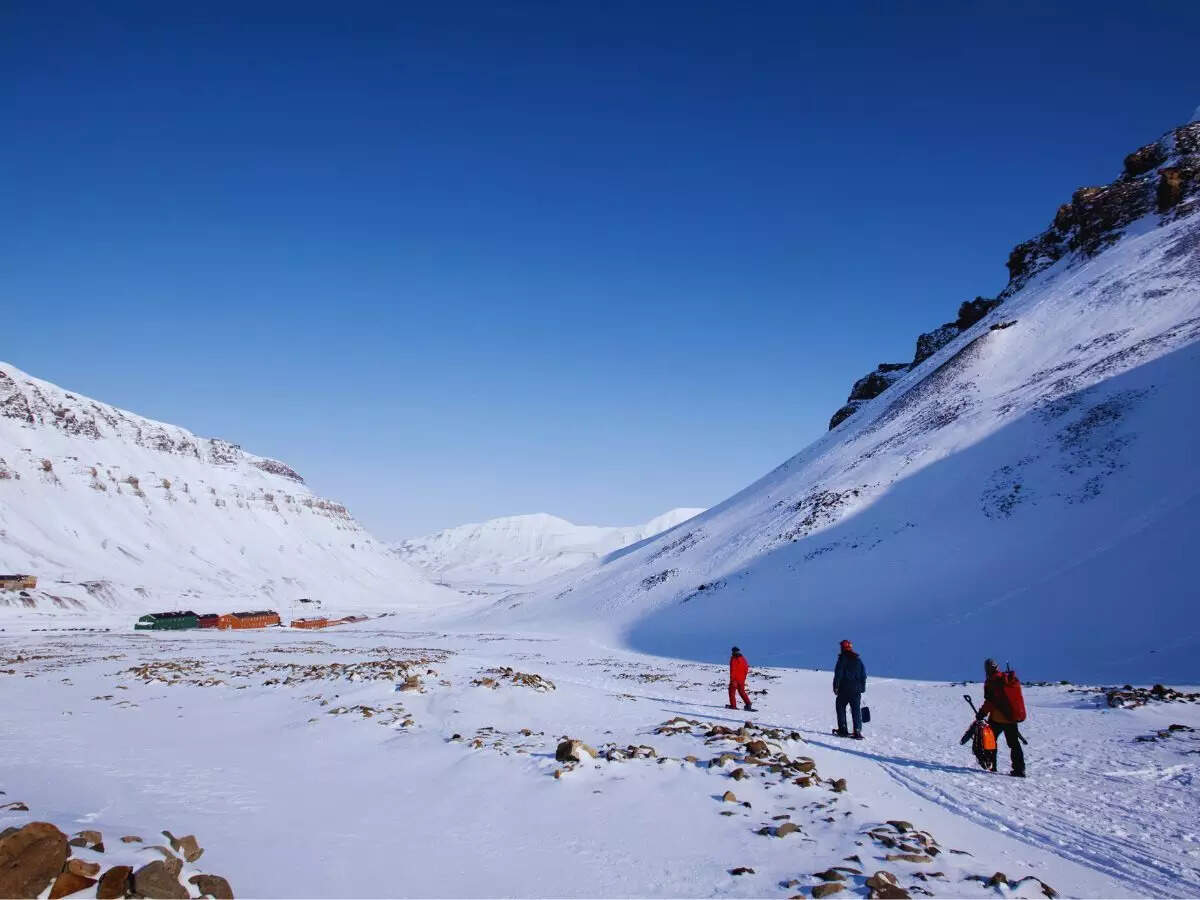
Summer (June to August): If you plan a trip during tho get out and explore as the temperatures range from 3°C to 10°C mostly. This is also the time of 24-hour daylight (midnight sun), perfect for experiencing a rare natural phenomenon. Winter (November to January): This period is the best for adventure seekers. It is also the time of Polar Night with no sun. Temperatures can dip below –30°C, so go well prepared.Tourism in UtqiagvikTourism in Utqiagvik is limited and controlled because of harsh conditions. And that’s exactly what draws tourists here. The extreme adventure, nature’s beauty, rare wildlife and Arctic culture.Some prime attractions are:
Canva
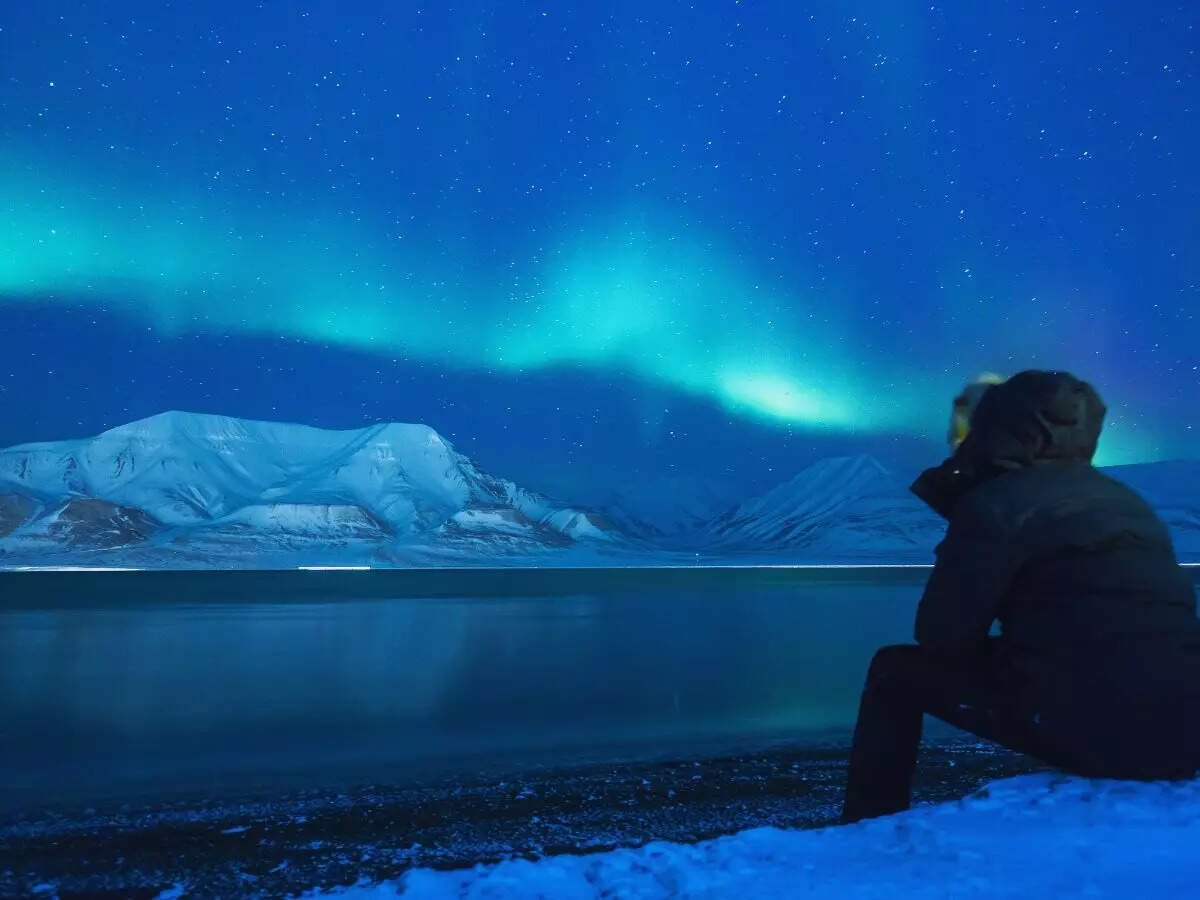
Polar Night and Midnight SunAurora Borealis/Northern Lights, often visible on clear nights.Wildlife WatchingOther places that experience Polar Night
Canva
Utqiagvik is not the only place which experiences Polar Nights. Some other cities with similar conditions are:Tromsø, NorwayLongyearbyen, SvalbardMurmansk, RussiaThe city is home to the Indigenous Iñupiat people. Their culture is unique and cuisine, even rarer! There are museums which offer an insight into thousands of years of survival in extreme cold. We get to learn so much from places like Utqiagvik. While much of the world measures comfort through convenience, this Arctic city thrives because of its survival techniques and community and tradition.
About the Author