
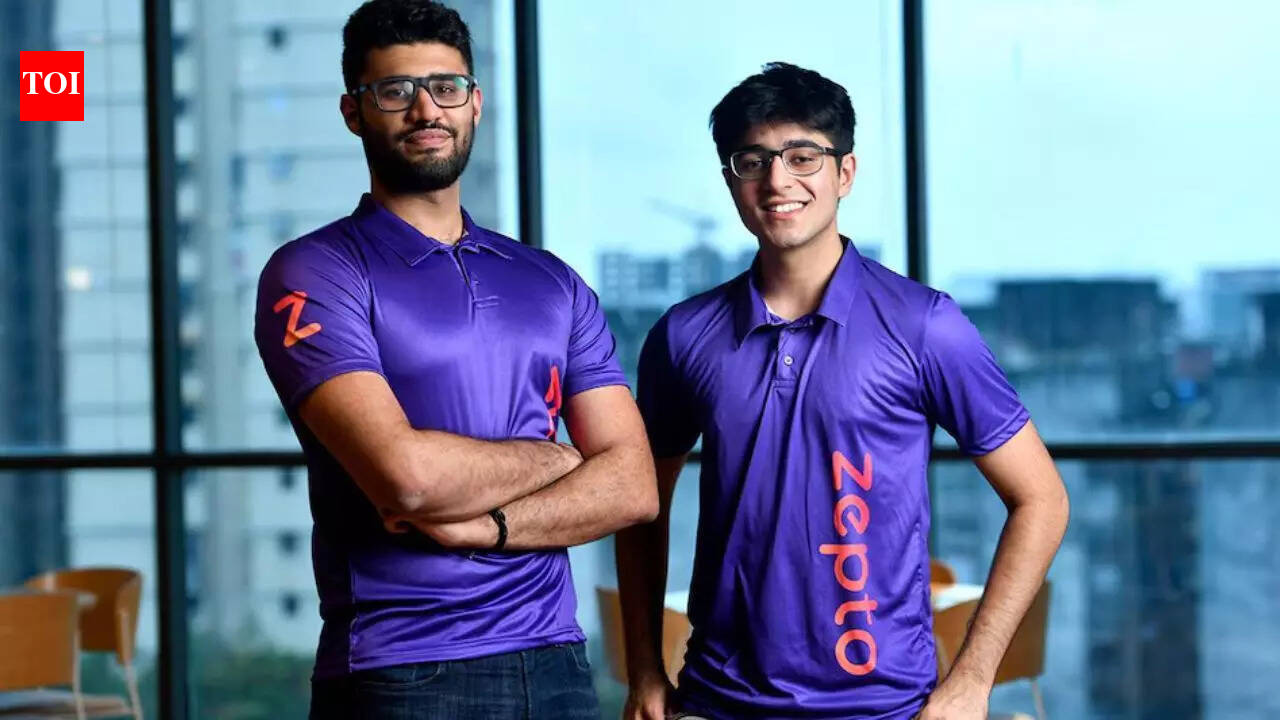

A new label is doing the rounds in India’s startup circles: BARBIEs, short for Bachelors Abroad Returning to Build in the Indian Ecosystem. A viral post shared by Anshul and Anmol on X put the spotlight on this niche but growing group of Indians who study abroad for their undergraduate degree and then come back to India to build high-growth companies. The idea travelled further after it was reposted by entrepreneur and investor Deedy Das.US undergraduate education is also an expensive path. For many families, it can run into hundreds of thousands of dollars over four years, which makes the cohort relatively small compared with the far larger number of Indians who go abroad for Master’s programmes. Even so, BARBIE-style returnees have become increasingly visible in India’s startup world because many of them show up early as builders: launching companies, joining fast-scaling startups, and moving quickly into product and leadership roles.
The three kinds of US undergrad returnees
Although US undergrad Indians are often seen as one elite group, their trajectories generally fall into a few patterns, shaped by family background and career incentives.1) Ultra-wealthy family business backgrounds These students often study economics, finance, or fields linked to their family industries. Many return to India quickly, either to join the family business or to start a venture with family backing.2) Wealthy professional-class families This segment includes students from families working in tech, law, finance, or medicine. Many study computer science or engineering, take up jobs in the US after graduation, and some later return to build companies, often in tech-driven sectors.3) Financial aid and merit-based entrants A smaller group reaches top universities through scholarships or financial aid. They are commonly STEM-focused, and many stay in the US longer for work or higher studies. When they do build companies, they often bring strong technical depth and a long-term approach.
What BARBIEs tend to build in India
Most BARBIE-style returnees building in India lean into sectors where India offers massive scale and fast adoption. Their businesses often sit in categories like:
- quick commerce and logistics
- ecommerce and consumer brands
- fintech and payments
- software tools and B2B products built out of India
- gaming, entertainment, and social platforms
- education and upskilling
The common thread is not just “starting up” but building for India’s size: speed, distribution, hiring at scale, and an obsession with execution.
Zepto : The clearest recent example of the BARBIE pipeline
If there is one startup that captures the BARBIE conversation today, it is Zepto.The company’s founders, Aadit Palicha and Kaivalya Vohra, are widely associated with the “US university to India startup” route. Their story has become a reference point for how quickly a new generation can move from global classrooms to India’s high-pressure consumer market, especially in sectors like quick commerce where speed and operations matter as much as product.
Founders and leaders with global exposure shaping India’s startup scene
While BARBIEs specifically points to undergraduate education abroad, India’s broader startup ecosystem also includes founders and leaders shaped by international exposure in different ways, including overseas education, global work experience, and connections to global tech networks.Some widely cited examples include:
- Aadit Palicha and Kaivalya Vohra (Zepto), linked to US university exposure before building one of India’s most prominent quick-commerce startups
- Peyush Bansal (Lenskart), who has studied abroad and worked internationally before scaling Lenskart into a major consumer eyewear business
- Deepinder Goyal (Zomato), who went from a corporate career into building a consumer internet company that became a major publicly listed platform
- Kunal Shah (CRED), who has built consumer-fintech businesses and remained closely connected to global startup thinking and networks
These names are not all “US undergrad returnees”, but they show how global exposure, in different forms, has become a recurring ingredient in India’s modern startup leadership.
Why India is increasingly the preferred place to build
A major shift over the last decade is that many globally educated Indians no longer view returning to India as a second choice.For some, the US path can feel uncertain due to immigration friction and a highly competitive job market. For others, the pull is simply stronger in India: the ability to build for a massive consumer base, scale quickly, and solve problems that feel more relevant to everyday life.Entrepreneurship has also become more mainstream. Startup culture is now part of popular media and daily conversation, and young founders see building companies as a legitimate first-career move rather than a risky detour.The “Google to Zepto” contrast captures a real choice facing many globally trained Indians.In the US, graduates often gravitate towards stable high-paying roles or tech-first startups, especially in enterprise software and deep-tech. In India, the momentum often sits with consumer-facing companies where distribution, logistics, and speed define success.That is why names like Zepto have become shorthand for the new returnee founder mood: faster, younger, more operational, and focused on building in India rather than waiting for the “perfect time” abroad.
Where BARBIEs commonly come from
This group often emerges from a narrow education pipeline: elite English-medium schools in major metros, and prominent boarding or international schools. Many grow up fluent in English, comfortable in Western academic environments, and able to adapt quickly to US university life.That background often makes it easier to build networks early and navigate global systems. It also means this cohort is small and concentrated.Privilege plays a role, and the cost barrier around overseas undergraduate education makes that unavoidable. But what often stands out about BARBIE-style returnees is the mix of early independence, global exposure, and strong peer networks they bring back with them.In India’s current startup cycle, that combination can translate into speed: faster hiring, clearer product thinking, sharper fundraising instincts, and the confidence to build big early.
About the Author