Have you popped an antacid multiple times, thinking it is nothing? Well it turns out that while it might relieve symptoms of acidity, it can on the other hand worsen your health. Obaidur Rahman, Ortho & Sports Surgeon tell us how...Which medicines are thesePANTOP 20 PAN D and PAN 40 all contain pantoprazole, a proton pump inhibitor that strongly lowers the stomach acid. PANTOP 20 PAN D and PAN 40 help people with stomach acid problems and heartburn. However, according to Dr Rahman, a high dose use of PANTOP 20 PAN D and PAN 40, can cause the deficiency of vitamin B12, magnesium and bone problems such as osteoporosis related fractures.
What are PANTOP 20, PAN D and PAN 40PANTOP 20 and PAN 40 are pantoprazole tablets. PAN D or Pantop‑D combines pantoprazole with domperidone. PANTOP 20 and PAN 40 treat the acidity, reflux and the related symptoms. PAN D or Pantop‑D also treat the acidity, the reflux and the related symptoms. These are short-term medications, but amny patients use PANTOP 20. Pan 40, or PAN D or Pantop‑D, for months or years, without a review.How do they workPantoprazole belongs to the PPI group, that blocks the step of acid production in the stomach. Pantoprazole gives long lasting acid suppression, but only if taken short term.Vitamin B12 from food needs stomach acid to be released from protein, and then absorbed in the intestine. When PPIs like pantoprazole are used for a long time, stomach acid stays very low, which can interfere with this process and slowly reduce vitamin B12 levels.A large case‑control study in JAMA found that people who used PPIs for two years or more, had a higher chance of vitamin B12 deficiency compared with those who did not use them, especially at higher daily doses. A 2022 study and several reviews also suggest that long‑term PPI therapy may reduce B12 levels over 12 months or more, probably due to malabsorption and changes in gut bacteria.Symptoms and risksLow vitamin B12 can cause tiredness, weakness, pale skin, tingling or numbness in the hands and feet, balance problems, low mood and memory issues. If deficiency is severe or long‑standing, it can damage nerves and may not be reversible, so early detection is important.

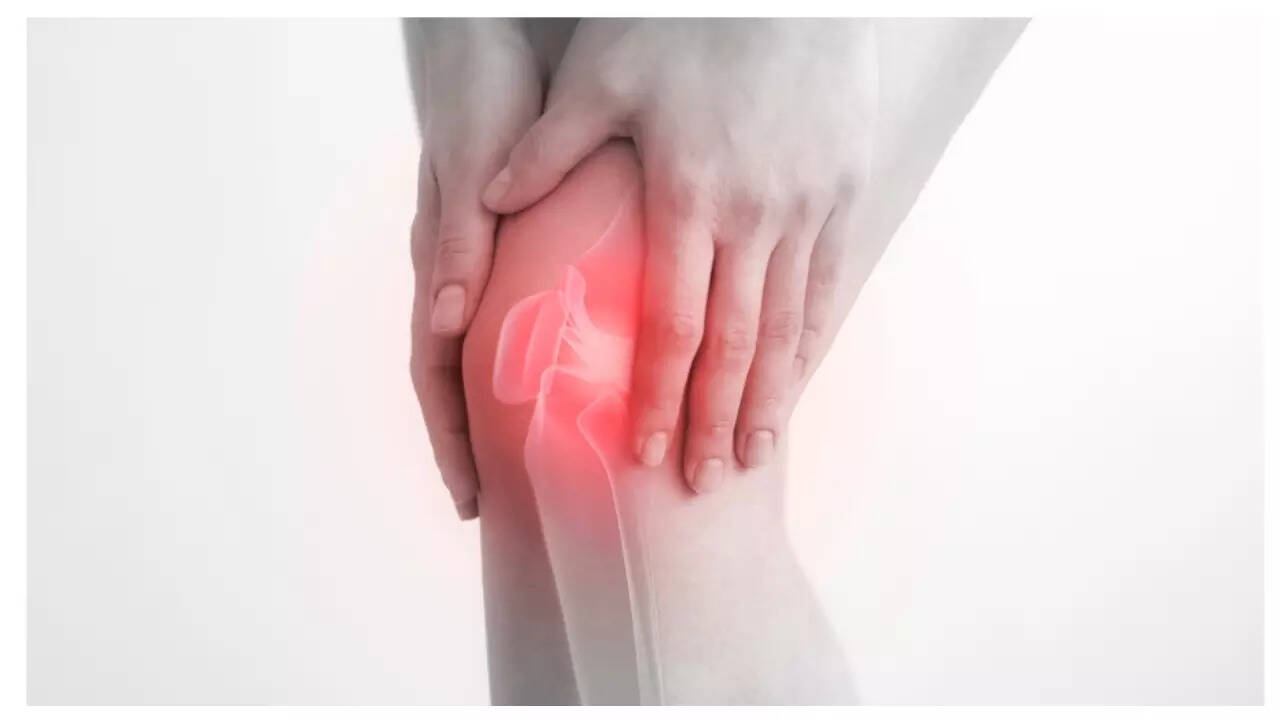
People at higher risk include older adults, those on long‑term PPIs, vegans or people with poor diet, and those with gut. Studies therefore suggest considering B12 testing in long‑term PPI users, especially if they have symptoms or multiple risk factors.PPIs and magnesium deficiencyMagnesium is needed for muscle and nerve function, heart rhythm and bone health, and is absorbed mainly in the small intestine. Long‑term PPI use has been linked to hypomagnesaemia (low magnesium) in many reports.The UK medicines regulator (MHRA) highlights low magnesium as a significant adverse effect of PPIs, sometimes appearing after at least three months and more often after a year of use. Symptoms can include muscle cramps, tremors, fatigue, irregular heartbeat and, in severe cases, seizures; magnesium levels may only return to normal after stopping the PPI and giving supplements.Osteoporosis riskOur stomach acid helps dissolve. and absorb some forms of dietary calcium, especially calcium carbonate, which is important for bone strength. When one takes PPIs for a long time, it weakens calcium absorption, which may contribute to lower bone density and more fractures, says Dr Dr Rahman.
Who is most at riskThe fracture signal with PPIs is most notable in older adults, especially those with other osteoporosis risks such as menopause, low body weight, smoking, steroids, or low calcium and vitamin D intake. People taking high PPI doses for longer than one year seem to have higher risk than those on short courses or lower doses.Likewise, patients on long‑term PPIs plus other “problem” medicines (like certain diuretics that lower magnesium, or anti‑seizure drugs that affect bone) may be more vulnerable to hypomagnesaemia and bone loss. In such cases, guidelines advise regular review of the need for PPIs and assessment of bone health and mineral levels.Safer use: questions to ask your doctorPPIs like PANTOP 20, PAN D and PAN 40 are effective and often safe when used correctly, but long‑term self‑medication is not advisable. Useful steps include:
- Ask whether you still need a daily PPI or if the dose can be lowered, used “on demand” or switched to a milder medicine like an H2 blocker.
- If you have been taking a PPI for more than one year, discuss testing for vitamin B12 and magnesium, especially if you feel unusually tired, weak, or have tingling or muscle cramps.
- If you are over 50, have had fractures, or have other osteoporosis risk factors, ask about bone density checks and whether you need calcium and vitamin D support.
What can one do to manage acidityApart from medications, various other methods exist to manage acidity
- Avoid triggers: If certain foods give you acidity, completely cut out from your meals.
- Walk after meals: This is is important even if you work out otherwise. Walking after meals leads to better digestion, which in turn can reduce acid production.
- Keep yourself hydrated: Keep yourself hydrated to prevent bloating, gas and acidity.
- Eat smaller portions of food, and do not eat close to bedtime. Finish all your meals at least 3 hours before bedtime.
- Lose weight: If you are overweight, dropping some kgs can alleviate some of your symptoms.
About the Author