
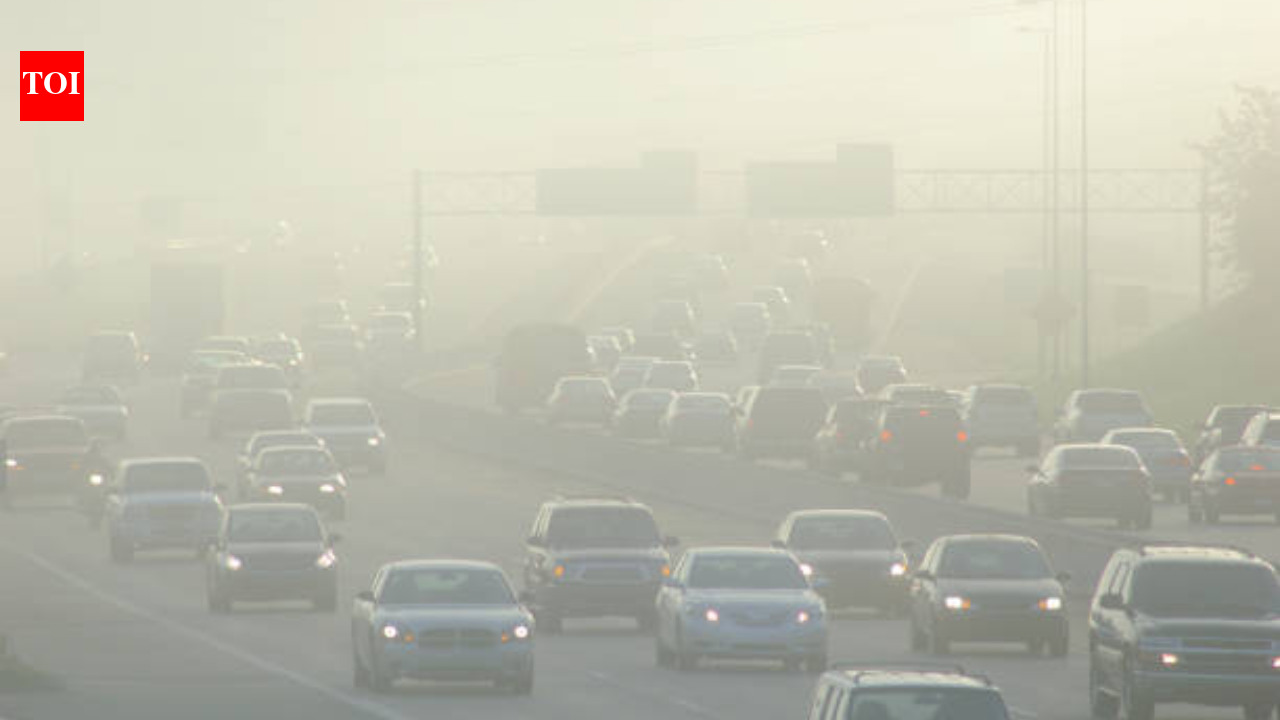
We all know the air outside isn’t exactly clean these days, but do we really think about how it affects kids? The scary part? A lot of parents don’t even realize the connection. We talk about healthy food, vaccines, and sleep, but air quality often gets ignored because it feels invisible. And it’s not just about coughing or sneezing, long-term exposure can impact their overall health and development in ways we’re only beginning to understand.Children can get high blood pressure due to air pollution. This alarming statement comes from a study in which a group of researchers examined children between ages 5 and 12.
The findings of the study have been published in the Environmental Research journal. “It is so far the largest U.S. study to examine the air pollution – child blood pressure association,” the researchers have said.“PM2.5 exposures in both pre- and postnatal windows were associated with increased blood pressure percentiles and risk of high blood pressure,” the studyhas found.Several other studies have also found similar results on how air pollution affects the health of children. For instance, two Boston-based pregnancy cohorts found an increase in systolic blood pressure in newborns and children aged 3–9 years old with prenatal PM2.5 exposures. Three Chinese studies have indicated that higher long-term PM2.5 exposures at children’s home or school were related to elevated systolic blood pressure and diastolic blood pressure measurements.That’s why we need to talk about it more, everywhere, from schools to doctors’ offices to social media. The more we raise awareness, the better we can protect our kids’ health—because they deserve clean air just as much as we do.
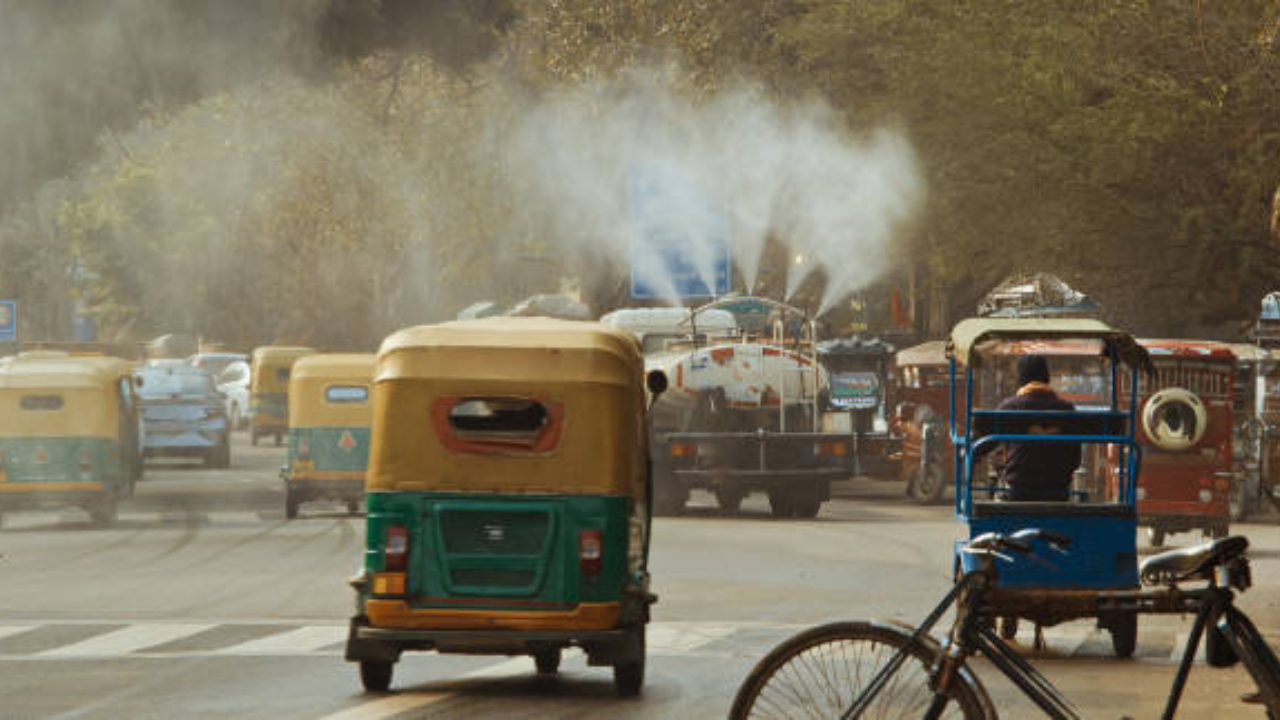
We at TOI Health spoke to Dr. Prakash Vaidya, Senior Consultant – Paediatrics, Fortis Hospital Mulund, Mumbai on the impact of PM 2.5 on children’s health.
What is PM2.5, and why is it considered especially dangerous for children’s health?
Dr. Prakash Vaidya: PM2.5 refers to extremely fine particulate matter that can penetrate deep into the lungs. Children are particularly vulnerable because their airways are smaller and still developing. At a growing age, their respiratory system is more sensitive and reacts more strongly to these particles. Even minor inflammation or mucus production can block their narrow airways easily, leading to greater respiratory problems compared to adults. Children tend to suffer more because their airway diameter is much smaller.
Are the effects of PM2.5 on blood pressure reversible if exposure is reduced early in life?
Dr. Prakash Vaidya: While long-term data is still evolving, sustained exposure to any harmful factor can contribute to elevated blood pressure over time. However, evidence from other lifestyle-related factors suggests that early intervention helps. For instance, reducing excess sodium intake can normalize blood pressure. Similarly, reducing a child’s exposure to polluted environments is likely to improve outcomes, indicating that there is potential for reversibility if corrective steps are taken early.
What practical steps can parents take to reduce their children’s PM2.5 exposure at home and school?
Dr. Prakash Vaidya: Parents should try to keep kids away from dust and smoke whenever they can. Secondhand smoke is a big no-no, so avoiding it is really important. If your kids are out in areas with a lot of dust or construction, having them wear a mask can actually make a difference. Little changes like these can go a long way in keeping their lungs healthy.
Should pediatricians start routinely monitoring blood pressure more closely in children living in high-pollution areas?
Dr. Prakash Vaidya: Keeping an eye on kids’ blood pressure should be part of their routine checkups, no matter where they live or how polluted the air is. Honestly, pediatric blood pressure is something that gets overlooked a lot, even though childhood obesity and metabolic issues are on the rise. Sure, pollution can make things worse, but even without it, checking BP regularly helps catch problems early and can prevent serious heart issues later on. It’s a small step that can make a big difference for your child’s long-term health.
About the Author