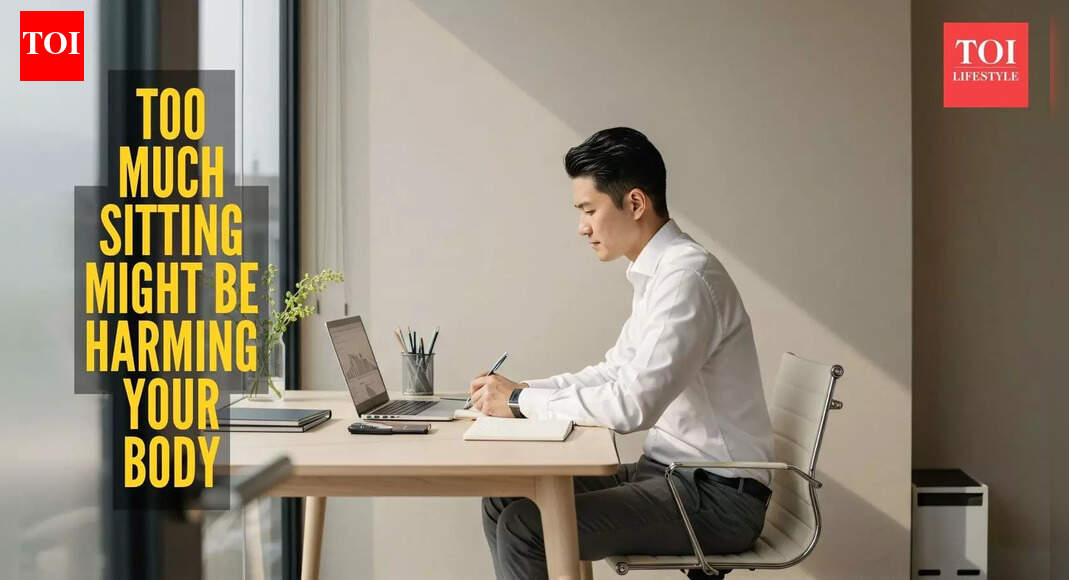
Sitting for hours is more than a posture problem; it’s secretly putting health at risk. Research links prolonged sitting with a higher chance of obesity, metabolic problems, poor circulation, and even early death. In fact, a 2024 study found that sitting or lying down for more than about 10.6 hours a day raised the risk of heart failure and cardiovascular death, even among people who exercise regularly.
Why sitting so long shuts down your body
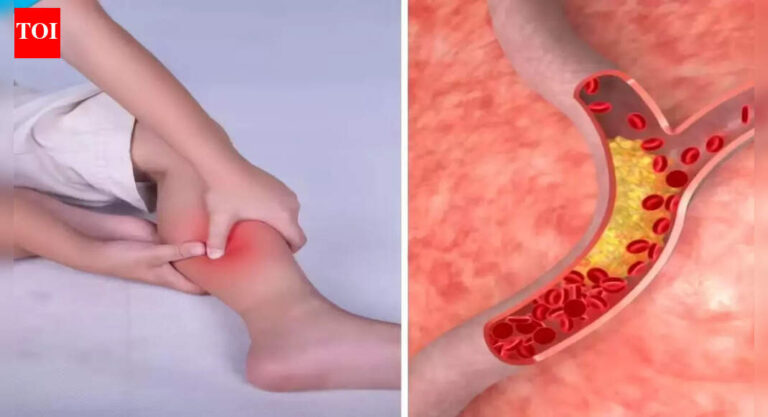
When seated for long stretches, the body uses much less energy. That slows metabolism, disrupts blood sugar and fat regulation, and can lead to excessive fat around the waist. This sedentary state also harms cardiovascular health. It has been proven various times through studies that prolonged sitting reduces blood flow, stresses heart health, and can raise the risk of heart disease, some cancers, and early mortality. Even brain health suffers: long, uninterrupted sitting may reduce blood flow to the brain, affecting memory and mental sharpness over time.
Small moves can reverse the damage
Research published in the NIH shows that replacing modest amounts of sitting with movement makes a real difference. A study of nearly 8,000 adults found that replacing 30 minutes of sitting with light activity lowered the risk of early death by 17%. More intense activity, about 30-40 minutes of brisk walking, cycling, or gardening daily, can even neutralise most of the health risks linked to a full day of sitting.Read also: Japan’s lunchtime habits that could help us change our health and overall well-being
5 simple moves to wake up a sedentary body
Here are five easy, practical moves to counteract sitting’s toll, no gym needed.
1. Desk-side leg and hip stretch
While seated, straighten one leg under the table, flex the foot, hold 10-15 seconds, then switch. This boosts circulation and eases stiffness in hips and thighs.
2. Wall chest opener
Stand facing a wall, place forearms on it, and take a gentle lean forward to stretch chest and shoulders. Helps relieve posture strain caused by hours of typing or slouching.
3. Chair-to-stand micro-squats
Stand up from your chair and sit down slowly 10-15 times. This activates leg muscles and wakes up circulation without needing much space.
4. Walking-call breaks
Every 30-45 minutes, stand up and walk to get a glass of water or take a quick lap around the room or hallway. Even a few minutes of movement adds up over the day.
5. Desk-side calf raises
Stand behind your chair, lift up on toes, hold 2–3 seconds, then lower. Do 15-20 reps. This helps blood flow in lower legs, a common problem zone when sitting for long periods.
Why these moves matter more than “gym time”
Traditional workouts help, but they can’t fully cancel the damage if the rest of the day is spent glued to a chair.Breaking up sitting with frequent, small movements helps keep muscles active, keeps blood flowing, supports metabolism, and reduces stress on the heart. Light activity appears especially effective in lowering risk of early death when used in place of sitting time.Read also: Best and easy-to-do exercises that help build stronger hips
Build a sitting-smart routine
- Set a reminder every 30 minutes. Stand up or stretch when it buzzes.
- Mix desk stretches, calf raises, or chair-to-stand squats between work tasks.
- Take walks during calls, tea breaks, or while waiting for something.
- Swap some sitting time for light chores or casual walking after lunch.
- Track your movement if possible; seeing progress helps stay motivated.
Disclaimer: This article provides general information only. It does not replace medical advice. People with medical conditions should consult a healthcare professional before starting any new activity.
About the Author