
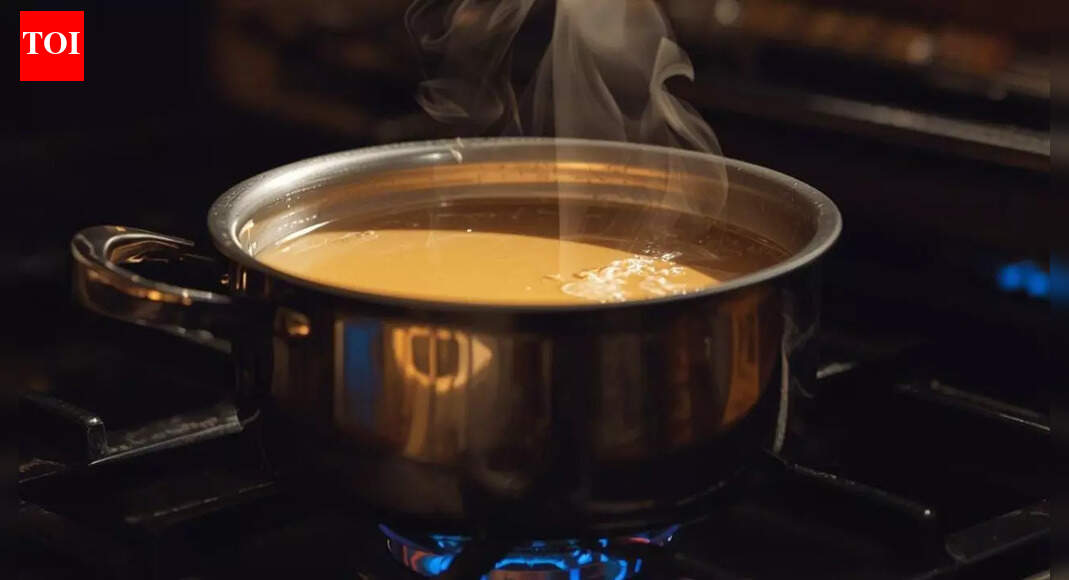

A bitter cup of tea can spoil the calm moment that a warm drink normally brings. You expect a smooth sip, but sometimes the first taste hits sharply and dries your mouth a little. This change usually happens when tea leaves sit in hot water longer than needed, when the water temperature is too high, or when the type of tea you use releases tannins very quickly. Those small brewing details make a bigger difference than most people realise.The good part is that bitterness does not mean the whole pot needs to be thrown away. With a few tweaks, the flavour can settle down again and taste closer to what you originally wanted. A gentler approach to temperature, timing and ingredients can turn a disappointing cup into something much easier to drink. Once you know what causes the taste to shift, it becomes simpler to stop it from happening in the first place.
Simple ways to fix tea and make it taste good again

Why does tea turn bitter
Tea tastes harsh when tannins build up too quickly in the water. This happens easily if the leaves stay in longer than planned, which is common when distractions pull you away. Many people forget that teabags continue releasing flavour even after the cup has been set aside. Pouring the tea into another cup stops extra steeping and slows the bitterness from growing. A small timer helps too, since most tea varieties have a sweet spot for brewing where flavour tastes balanced and mellow.
Fixing the bitterness of tea with temperature
Boiling water extracts flavour fast and brings out tannins just as quickly. Allowing the water to rest briefly after boiling makes a noticeable difference, especially for green or white teas that taste bitter when scorched. If the tea is already strong, adding a little warm water brings the taste down without watering it into nothing. This step works because the strength stays, but the sharp edge softens.
Timing changes that help the taste
Steeping too long is the simplest mistake. Leaving the cup on the table while multitasking means more tannins release into the drink. Taking the teabag out earlier or pouring the tea away from the leaves helps keep things controlled. Some people shift the tea into a travel cup or small flask so it stops steeping while they prepare milk, lemon or spices. That small delay stops the taste from darkening further.
Ingredients that balance the taste of the tea

- Milk takes the bitterness down because its proteins latch onto tannins and blunt their effect.
- Sweeteners like honey, sugar or jaggery round things out and help the drink feel fuller, especially when the bitterness sits at the back of the tongue.
- Lemon brightens the flavour, but not with milk, since that combination curdles quickly.
- A pinch of cinnamon or cardamom changes the focus of the flavour and gives warmth, making the tea feel more intentional.
- Some even use a tiny drop of vanilla or rose syrup for a gentle aroma.
Better leaves make smoother tea
Whole loose leaves brew more gradually and are usually kinder in taste. They let the flavour come through in layers rather than rushing out all at once. Keeping tea in airtight containers away from heat and strong kitchen smells helps protect the taste for longer. Smaller purchases can also help, since very old leaves lose natural oils and make bitterness more noticeable.
Other brewing methods
A quick rinse of the leaves before brewing washes away some surface tannins and lightens the first sip. Cold brewing overnight creates a smoother drink because cooler water extracts flavour slowly. If the tea becomes too strong to enjoy hot, making iced tea with lemon, mint or sugar gives the drink a second chance rather than throwing it away.Most bitter tea can be saved. Temperature, time and ingredients are small details that have a big impact. Trying even one adjustment often improves the drink enough to finish the cup. After a few attempts, these small habits become natural and fewer pots go to waste.Disclaimer: This content is intended purely for informational use and is not a substitute for professional medical, nutritional or scientific advice. Always seek support from certified professionals for personalised recommendations.Also read| How to make restaurant-style creamy white sauce pasta at home
About the Author