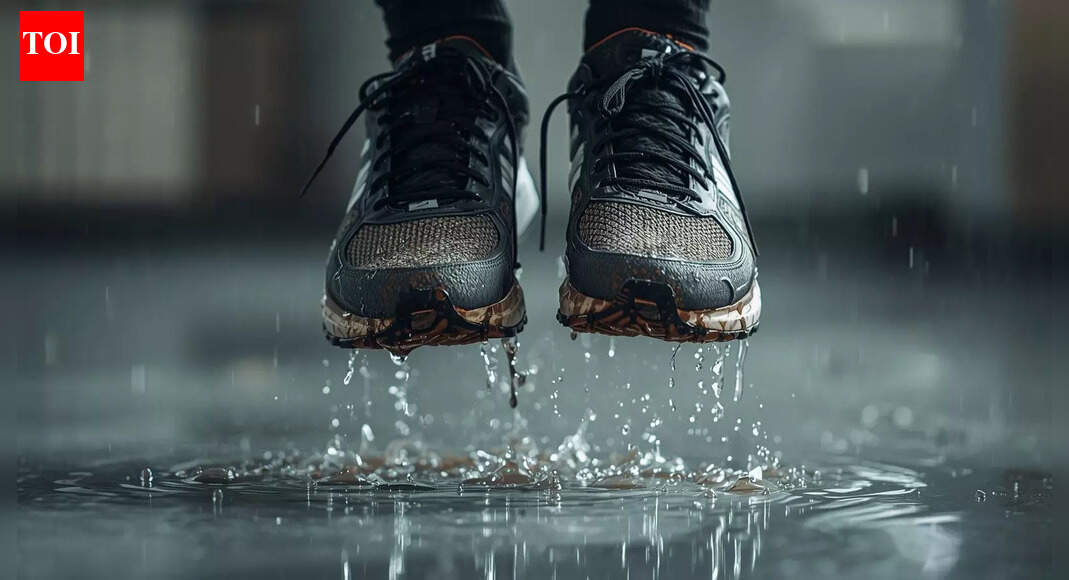
Winter makes small chores feel heavier than they should. Washing shoes is one of them. You clean them, set them aside, and then wait. A day passes. Sometimes two. They still feel cold and damp to the touch. The smell creeps in before they are properly dry. It is not dramatic, just irritating. Many people deal with this every winter without thinking much about it until the problem repeats. Damp shoes lose shape. Glue weakens. Fabric holds moisture longer than expected. This piece looks at a few simple ways people quietly deal with the issue. Nothing technical. Just small habits, borrowed tricks, and ordinary materials that help shoes dry faster in cold weather, without rushing them or causing damage.
How to dry shoes faster in winters without damaging them
Cold air holds less moisture, but it also slows evaporation. Add low sunlight and poor airflow, and wet shoes simply sit there. Thick soles and padded uppers trap water inside. Sports shoes and canvas pairs are the worst offenders. Leather behaves differently but still suffers if left damp for too long. The problem is not the water alone, but where it stays.Before thinking about heat or tricks, remove excess water. Many people skip this. Press the shoes gently with your hands to release trapped water. Do not twist them. That bends the structure and weakens stitching. Take out the insoles straight away. Insoles dry slower than the shoe itself and keep moisture locked inside if left in place.
Paper helps shoes dry faster
Newspaper works quietly well. Stuff dry newspaper or thick tissue inside the shoes, filling the toe and sides. Paper absorbs moisture from the inside, which is where drying usually stalls. If the shoes are very wet, replace the paper after a few hours. This method suits trainers and canvas shoes especially. It also helps shoes keep their shape while drying.
Keep in a warm, airy space (avoid keeping in front of a heater)
Avoid direct heat. Placing shoes next to a heater or blower seems tempting but often causes damage. Glue softens. Soles loosen. Fabric stiffens. A better option is a warm, airy space. Near a window. Under a ceiling fan. In a room with steady air movement. At night, leaving shoes out in an open room works better than locking them in a corner.
Hairdryer safe for drying shoes
Use carefully; keep the dryer on medium heat. Hold it at a distance. Move the airflow around rather than focusing on one spot. This helps remove surface moisture without stressing the material. It is useful when shoes are needed soon but should not replace slow drying entirely.
Use salt or silica gel
They do. Salt absorbs moisture naturally. Fill a cloth pouch with salt and place it inside the shoe. Leave it for several hours. Silica gel packets, often found in new shoes or bags, work in the same way. Both also help reduce odour. This is a slow, quiet method, suited to overnight drying.
How can you prevent bad smells in shoes while drying
Airflow matters more than fragrance. Dry shoes properly before storing them. Always dry insoles separately. Avoid closed cupboards until shoes are fully dry. Moisture causes odour, not dirt alone. A dry shoe rarely smells.Drying shoes in winter is less about speed and more about patience, with a few smart choices along the way. Small steps add up. The shoes last longer. They feel better to wear. And the wait becomes shorter, almost unnoticed.
About the Author