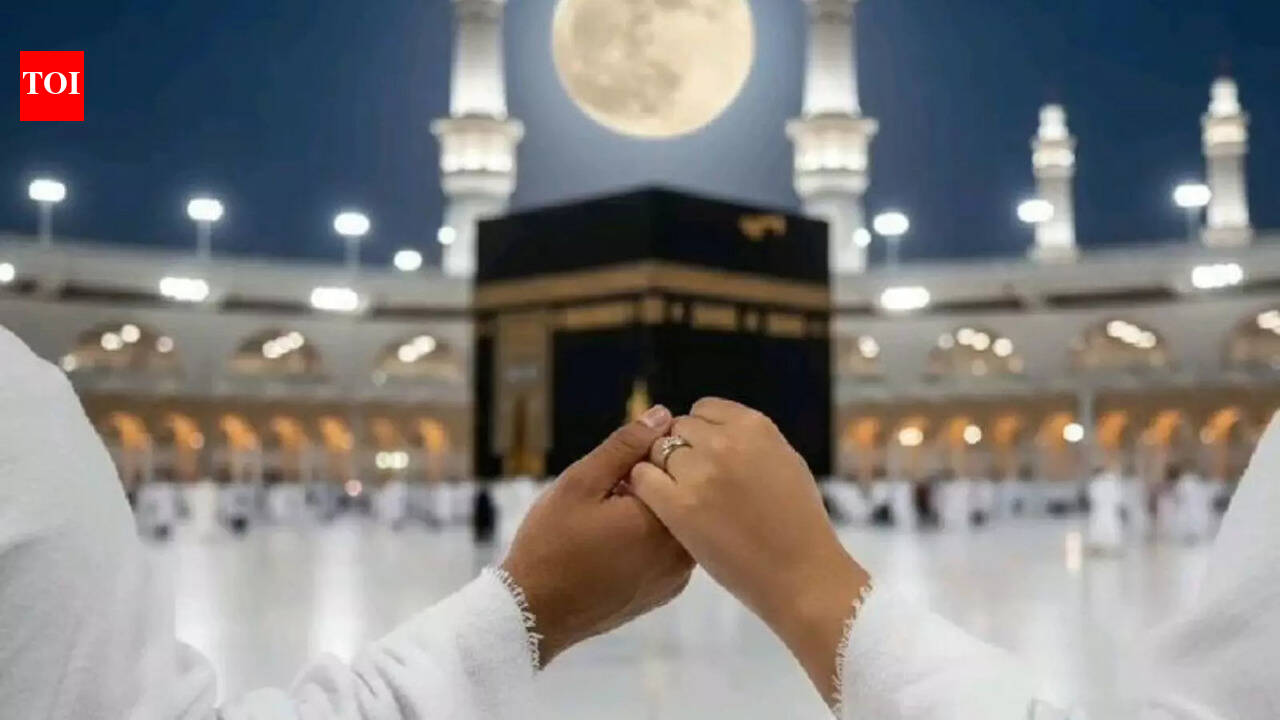

Riyadh, January 19, 2026: In a new directive aimed at reinforcing traditional family values, Saudi Arabia’s Ministry of Islamic Affairs, Call and Guidance has instructed all mosque preachers across the Kingdom to dedicate their next Friday sermon (khutbah) to urging the facilitation of marriage and warning against calls that promote abstaining from it. The move reflects ongoing efforts by the Saudi leadership to shape social and religious discourse within the country’s rapidly evolving cultural landscape, bridging Islamic teachings and contemporary societal concerns.
What Saudi Arabia’s directive says: Marriage as sunnah and social stabiliser
Issued by Sheikh Dr Abdul Latif Al-Sheikh, the minister of Islamic Affairs, the circular outlines several key themes for inclusion in Friday sermons. Preachers are to emphasise that marriage is a sunnah (practice) of Prophet Muhammad (PBUH), a path to chastity, a means of preserving honour and a pillar for achieving the objectives of Shariah, including the protection of lineage and morality. Worshippers are also reminded of their roles, especially fathers, mothers and guardians, in facilitating the marriages of their sons and daughters by removing unnecessary obstacles and discouraging extravagant customs that run counter to Islamic principles.One of the ministry’s central concerns is excessive spending on weddings and dowries, which it says is contrary to Prophet Muhammad (PBUH)’s guidance and a significant cause of debt and anxiety among young people. By explicitly linking extravagance to social reluctance toward marriage, the directive seeks to alleviate financial burdens that commonly deter unions.
Saudi Arabia countering “deviant” discourses and misleading content
The ministry also calls on preachers to warn against deviant narratives circulating on social media and other platforms that discourage marriage or portray it negatively. The directive asserts that such calls “exploit social media to distort the image of marriage, repel people from it, and aim to corrupt sound instincts, destroy family values and contradict the rulings and objectives of Shariah.”
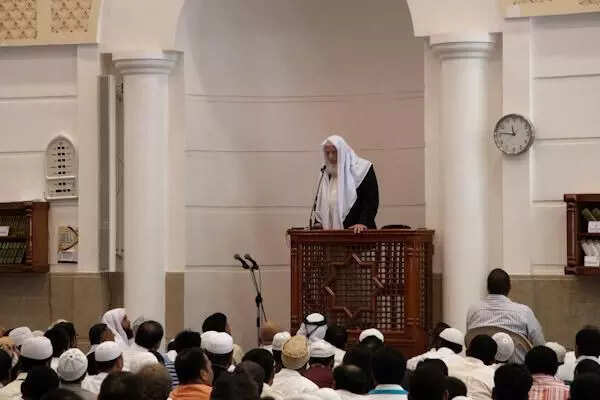
No to Extravagant Weddings: Saudi Imams Told to Urge Easier Marriages in Friday Sermons
This emphasis aligns with recent efforts by Saudi authorities to guide mosque sermons on socially sensitive topics. For example, earlier directives have asked imams to address the honour and protection Islam grants women or issue warnings against groups viewed as religiously deviant.
Why this matters: Family, religion and social policy in Saudi Arabia
The focus on promoting marriage through official religious channels comes at a time when Saudi Arabia is navigating major social transformation under its Vision 2030 framework. While structural reforms have expanded public roles for women and modernised aspects of civil life, authorities continue to emphasise the importance of traditional family structures, seeing them as vital to social stability and moral wellbeing. Encouraging marriage and discouraging narratives that frame it as optional or undesirable, fits within both religious orthodoxy and national policy goals.Moreover, by prescribing sermon content, the ministry reinforces the role of mosque preachers as not just spiritual guides but social educators tasked with reinforcing values the state considers foundational to a cohesive society.
Looking ahead: Sermons as a tool for social cohesion
The directive underscores how religious authority and state policy intersect in Saudi Arabia. By using the highly visible platform of the Friday khutbah, attended by thousands weekly, the government is leveraging centuries-old Islamic traditions to address modern socioeconomic challenges like rising wedding costs, youth hesitation toward marriage and online misinformation.
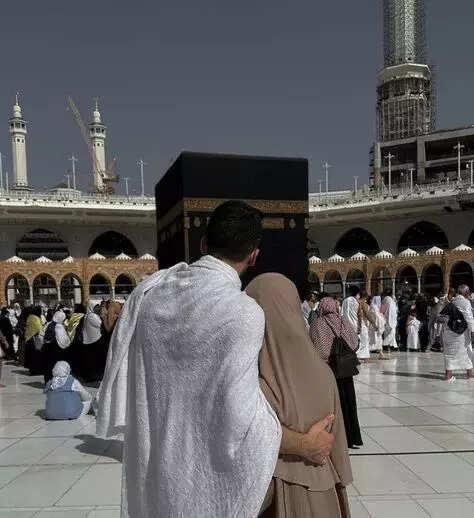
Debt, Delays and Dowries: Why Saudi Imams Are Being Told to Talk Marriage This Friday
As the sermons unfold across mosques this Friday, observers will be watching closely to see how these themes resonate with worshippers and whether this kind of state-sanctioned religious messaging influences social attitudes toward marriage among Saudi youth and families.
About the Author