
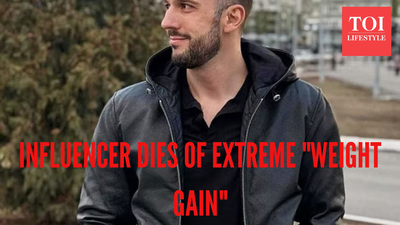
In a shocking incident, a 30-year-old Russian fitness trainer Dmitry Nuyanzin, died from heart failure after consuming 10,000 calories per day for multiple weeks, during his weight gain challenge. The trainer planned to gain 25 kgs through eating junk food, including cakes, dumplings, pizzas and burgers, before starting his weight loss program. A couple of weeks into the challenge, he stopped his training sessions, because of exhaustion, and soon died during his sleep which demonstrated the dangerous nature of extreme eating dangers.The fatal challenge unfoldsThe social media posts of Nuyanzin showed his daily consumption of high-calorie foods, which included breakfast pastries with ice cream, large meals with mayonnaise-covered dumplings, and fast food dinner. His body reached critical levels of metabolic stress, which probably caused cardiac arrest because of his excessive food consumption. The death of the influencer received widespread grief from his friends and social media followers, who described it as a preventable tragedy caused by dangerous stunts. People who participate in such challenges fail to recognize warning signs which include shortness of breath and chest pain. because these symptoms indicate an impending disaster.
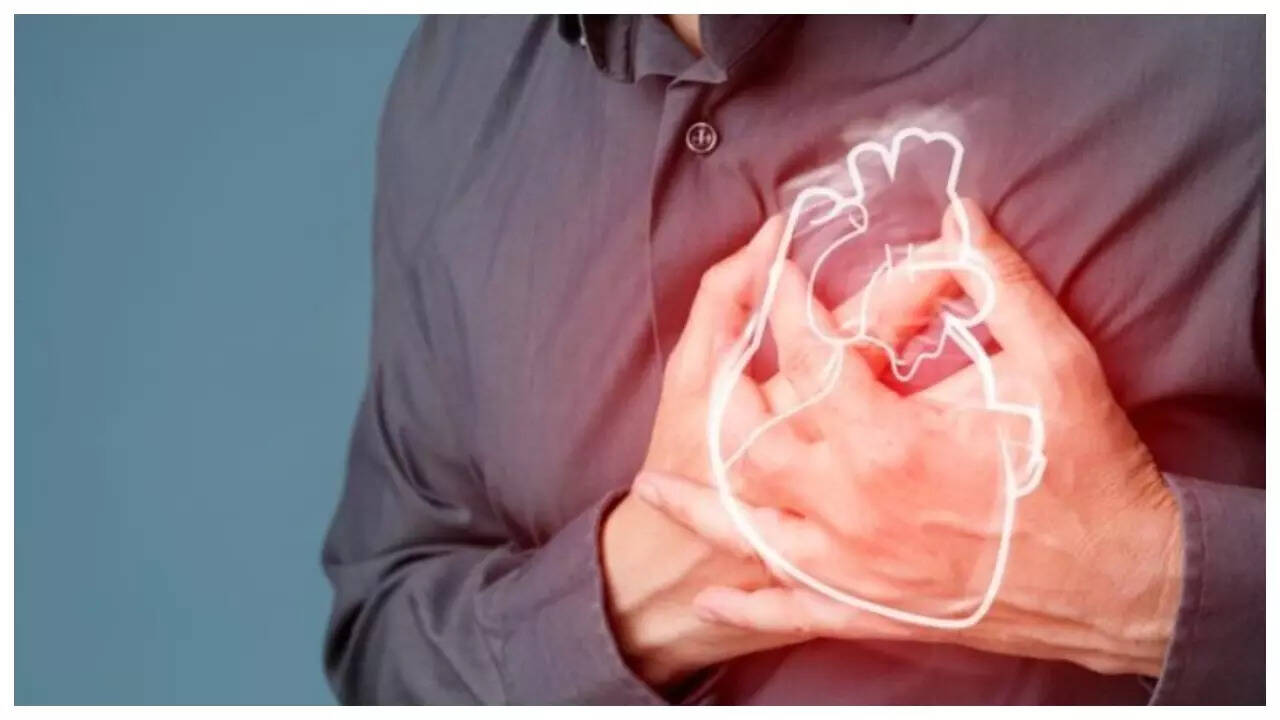
What happens to the heart when one “suddenly” gains weightResearch indicates that middle-aged people who gain 5% of their body weight, develop thicker heart muscles which reduce their heart function, and increase their risk of developing heart failure. In young adults, obesity links to enlarged hearts and poor function by age 60, with effects accumulating from early overfeeding. The risk of heart disease increases independently of other factors, when people become overweight because they develop 22% higher stroke risk and obese individuals face 64% higher stroke risk.The consumption of high-fat and high-sugar foods leads to elevated triglycerides and decreased good cholesterol, which results in artery hardening and blood pressure elevation. Research showed that people who received 800-1000 extra calories per day through overfeeding, developed fast increases in their blood pressure and cardiac output. The development of sudden cardiac arrest in people with obesity occurs because of their associated medical conditions including high blood pressure, and coronary artery disease. The increase of systolic blood pressure by 3 mm Hg occurs with each 22-pound weight gain, which results in a 24% higher stroke risk. The worldwide death toll from heart disease and its related conditions reached 3.7 million in 2021 because of higher BMI levels.Pressure on the digestive systemThe stomach expands to abnormal sizes when people eat too much, which results in stomach discomfort and prolonged acid exposure, that damages the esophagus. The stomach experiences increased pressure from abdominal fat, which leads to worse acid reflux symptoms, and increases the risk of developing gastroesophageal reflux disease (GERD). The stomach retains food for longer periods, when people eat quickly, which leads to stomach lining irritation and increases their risk of developing gastritis and ulcers. People who are overweight face elevated risks of developing gallstones and fatty liver disease and pancreatic disorders because their bodies experience continuous overload.

The additional weight creates digestive problems, which lead to gallbladder issues, diverticula and inflammatory bowel diseases, including Crohn’s disease. The abnormal eating patterns from these challenges, create digestive problems which produce chronic inflammation, that increases the risk of developing esophageal cancer in the long run.Why it can turn deadlyThe heart experiences fatal failure when obesity develops rapidly because of inflammation, fibrosis and systolic dysfunction. The hearts of young obese victims who died suddenly, were found to be twice as heavy as normal hearts, which indicated fatal heart remodeling according to autopsy results. The practice of binge eating creates an independent risk factor for developing metabolic syndrome, which leads to heart-related medical events. The risk of death increases by 44% for people with mild obesity, but reaches 250% for those with severe obesity.Though some heart failure patients with obesity survive longer in an “obesity paradox,” this does not apply to people who experience sudden weight gain without pre-existing medical conditions. The fatal cardiac arrest occurred because Nuyanzin failed to recognize his fatigue symptoms. The fast weight gain period creates a 20-fold increase in diabetes development, which adds to the existing cardiac problems.Safe ways to avoid these risksExercise together with controlled calorie intake, helps people stay healthy without causing heart or digestive problems, that result from eating junk food. Medical professionals advise patients to track their BMI, blood pressure readings, and reflux symptoms whenever they experience weight changes. People who want to stay healthy should adopt portion control, and eat fiber-rich foods while getting regular medical check-ups instead of trying dangerous weight gain methods. People should stay away from viral weight gain challenges because they need to consult fitness experts for proper weight gain training.Disclaimer: This article is informational only and not a substitute for medical advice
About the Author