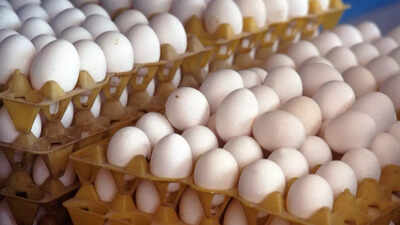
Eggs are a universally eaten food item in India and the world, famous for their high protein and culinary uses. Right from egg breakfasts to new recipes, eggs are an aptly used component in our day-to-day meals. But due to the ever-increasing concern regarding adulterated food products, many individuals began questioning the authenticity of eggs in the market. The growing viral videos regarding plastic or fake eggs in the market have raised many concerns and doubts in the minds of the public. It is a necessary task to know the difference between authentic and poor-quality or fake eggs.
Understanding fake or plastic eggs and why it is important to identify them
Although this is not a primary or serious topic related to food technology or processing, I shall address this question. “Fake eggs,” or “plastic eggs,” are man-made products that are produced with chemicals, resin, or “plastic” substances that resemble real eggs. In other words, they don’t contain any real egg substance. In all honesty, there aren’t very many reported incidents of fake eggs being widely sold. In most cases, eggs that seem “funny” or fake might just be from substandard storage or eggs that are coated with chemicals to make them more aesthetically appealing.Being able to identify genuine eggs is important for health and safety:
- Eggs provide high-quality protein, vitamins, and minerals that are essential for a balanced diet.
- Poorly stored or low-quality eggs can cause food poisoning, stomach infections, or diarrhoea.
- Children, the elderly, pregnant women, and people with weaker immunity are more vulnerable to food-borne illnesses.
- Consuming fresh and well-handled eggs ensures nutritional benefits without health risks.
How to identify a real or fake egg without breaking it
Although specific lab testing is usually the only way to be absolutely positive, here are several very simple ways to evaluate quality and freshness of the eggs:Hold the egg near to your ear and gently shake. The fresh ones say nothing, while the older ones, because of their changes inside, might slosh.
- The touch and surface test
Real eggs usually have a slightly rough or granular surface. Those feeling too smooth, brilliant, or waxy could have some chemical coating to enhance appearance or increase shelf life.It might just be that an egg will have a more subtle or off smell when spoiled. Sometimes, even without cracking, a noticeable odour can be a warning that the quality is not appropriate.
Can egg shell colour indicate authenticity
Coloration of the eggshells is determined by the type of hen. Eggshells may be white, off-white, light brown, or dark brown. The presence of coloration on the eggshells does not signify whether the eggs are real or fake. On the other hand, if the shells look too polished or are of the same coloration, then the chemical content may affect the quality.
What is the water test, and how does it work
The water test is a common way to assess freshness:
- Sinks and lies flat: Very fresh egg.
- Sinks but stands on end: Older but likely safe to eat.
- Floats: Rotten egg, should be discarded.
This test indicates freshness rather than authenticity. Eggs develop air pockets as they age, causing them to float over time.
Common myths about fake eggs
There are quite a few myths floating around on social media when it comes to plastic eggs,
- Myth: White eggs are artificial.
- Fact: Shell color depends on the chicken breed.
- Myth: Hard-boiled eggs float when they are
- Fact: The only thing that the “floating test” proves is that the egg is old or rotten
- Myth: Eggs that melt when cooked are artificial.
- Fact: Cooking techniques and temperatures determine texture, not authenticity.
Food safety practices for eggs
To ensure you consume safe eggs:
- Buy eggs from trusted brands or reputable local suppliers.
- Inspect for cracks, cleanliness, and proper storage.
- Avoid eggs with a shiny surface or foul odour.
- Store eggs in a refrigerator or cool environment.
- Wash your hands after handling raw eggs and cook eggs thoroughly.
About the Author