
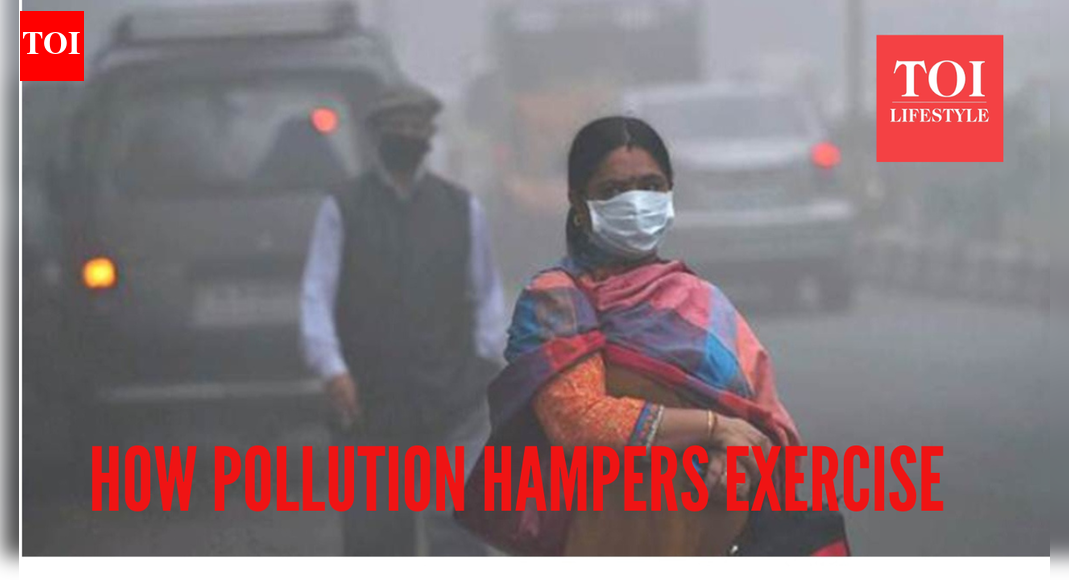
While most of the country is facing poor air quality, North India, and the capital New Delhi in particular, is battling a grim pollution crisis, with the AQI relentlessly touching dangerous levels. While we all know that long-term exposure to pollution can severely damage our lungs, there is emerging research to now prove that it can in fact, even weaken the benefits of exercise. Yes, that is true. Let’s find out more…A new study shows that toxic air pollution can weaken the powerful health gains you get from regular exercise. Researchers from UCL and international teams, examined data from over 1.5 million adults across the UK, Taiwan, China, Denmark, and the United States, tracking them for more than a decade. They discovered that high levels of PM2.5 pollution reduce, but do not erase, exercise’s ability to lower risks of death from all causes, cancer, and heart disease. Even in dirty air, staying active helps, but cleaner skies unlock the full rewards. The study, published in BMC Medicine, states: “The protective effect of regular exercise on people’s risk of dying over a specific period – from any cause and from cancer and heart disease specifically – appeared to be reduced, but not eliminated, for those who lived in high pollution areas.”What PM2.5 pollution does to your body during exercisePM2.5 particles are tiny specks less than 2.5 micrometers wide, so small they lodge deep in your lungs, and enter your bloodstream. When you exercise, you breathe faster and deeper, pulling in more of these invaders that trigger inflammation, harm blood vessels, and strain your heart. The study found that long-term exposure above 25 micrograms per cubic meter (μg/m³), significantly dims exercise benefits, impacting nearly half the world’s population in such areas. Lead researcher Professor Po-Wen Ku explains: “Our findings emphasise that exercise remains beneficial even in polluted environments. However, improving air quality can greatly enhance these health gains.” Your workouts still count, but pollution turns them into an uphill battle for your body.How clean air makes all the differenceNormally, people who get at least 2.5 hours of moderate or vigorous exercise each week, like jogging or sports that make you breathless, cut their overall death risk by 30%, compared to those who stay sedentary. These benefits extend to slashing cancer and heart disease risks by strengthening your heart, boosting immunity, and clearing arteries over time. The BMC Medicine analysis combined seven studies, including UK Biobank data, to confirm these effects shine brightest in cleaner air. Co-author Professor Andrew Steptoe adds: “Our study shows that toxic air can to some extent block the benefits of exercise, although not eliminate them.” In low-pollution spots, your sweat sessions truly extend life.
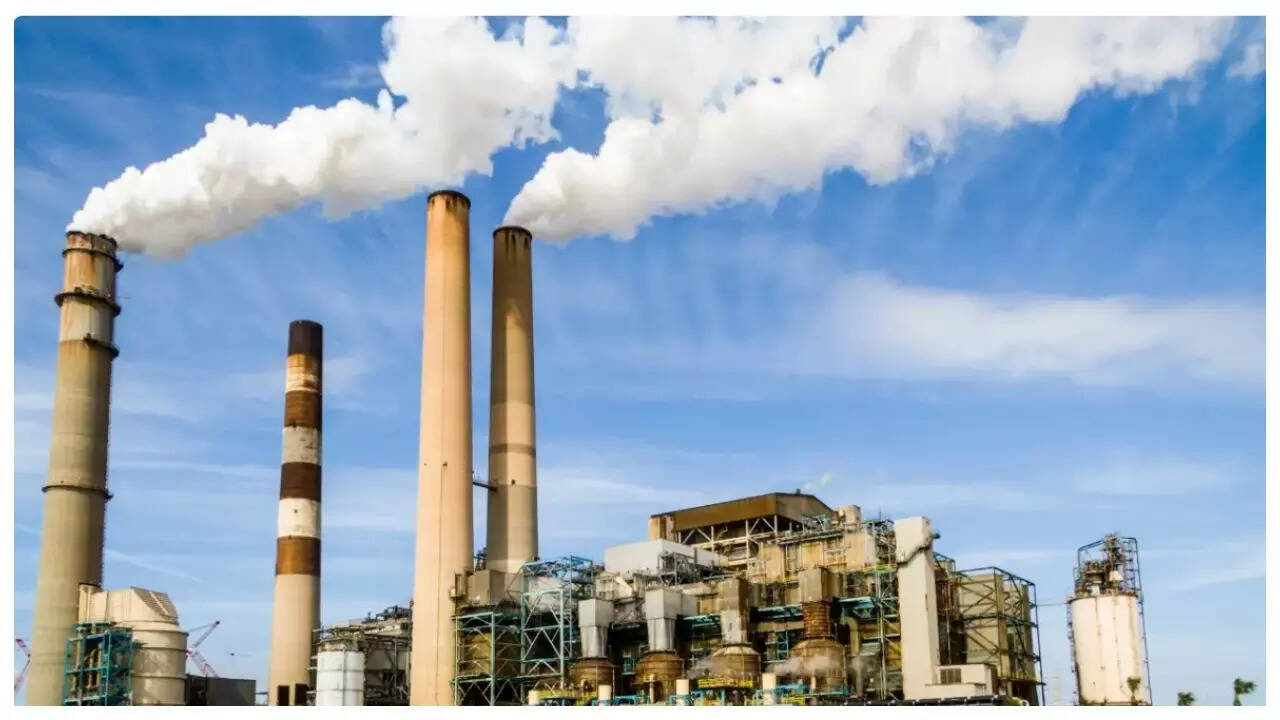
How pollution weakens the benefits of exerciseIn areas with yearly PM2.5 averages over 25 μg/m³, that impressive 30% risk reduction for active people drops to just 12-15%, especially for all-cause and heart-related deaths. Benefits weaken further above 35 μg/m³-home to 36% of the global population-where cancer protection fades almost completely. The researchers adjusted for factors like smoking, income, education, and chronic diseases to isolate pollution’s role. While UK averages hover at a safer 10 μg/m³, winter spikes in cities often exceed 25 μg/m³, robbing runners and cyclists of gains. Pollution doesn’t stop exercise from helping, but it steals much of the payoff.Cancer and heart riskExercise combats cancer by reducing inflammation and tumor-feeding hormones, while it guards your heart through better blood flow and lower pressure. PM2.5 pollution fights back by inflaming lungs, promoting blood clots, and eroding vessel walls, directly clashing with your workout wins. At levels above 35 μg/m³, the data showed cancer mortality benefits crumbling after over a decade of tracking. Heart patients in smoggy zones, lose the plaque-clearing advantages of their efforts. Professor Paola Zaninotto advises: “We don’t want to discourage people from exercising outdoors. Checking air quality, choosing cleaner routes, or easing off intensity on polluted days can help you get the most health benefits from your exercise.”How to work out in pollutionBefore heading out, check air quality apps for PM2.5 levels and opt for indoor options like cycling or yoga on high-pollution days. Choose parks over busy roads, exercise in the morning before traffic peaks, or wear masks that filter fine particles during spikes. These steps help you breathe easier and capture more benefits. The study calls for stronger policies to cut emissions, pairing clean air with activity for optimal health. While focused on high-income countries, patterns likely worsen in low-income areas with 50+ μg/m³ levels-yet no one should quit moving entirely.

Push for cleaner airThe research drew from high-income nations, so results might differ in poorer countries with worse pollution, and it didn’t cover indoor air or diets. Still, it accounted for many variables to deliver reliable insights. Clean air and exercise together form a powerhouse for healthy aging, urging global action on emissions. Even diminished, physical activity beats inactivity every time, so get out with protection, and move, even if it is for 30 minutes.Disclaimer: This article is informational only and not a substitute for medical advice
About the Author