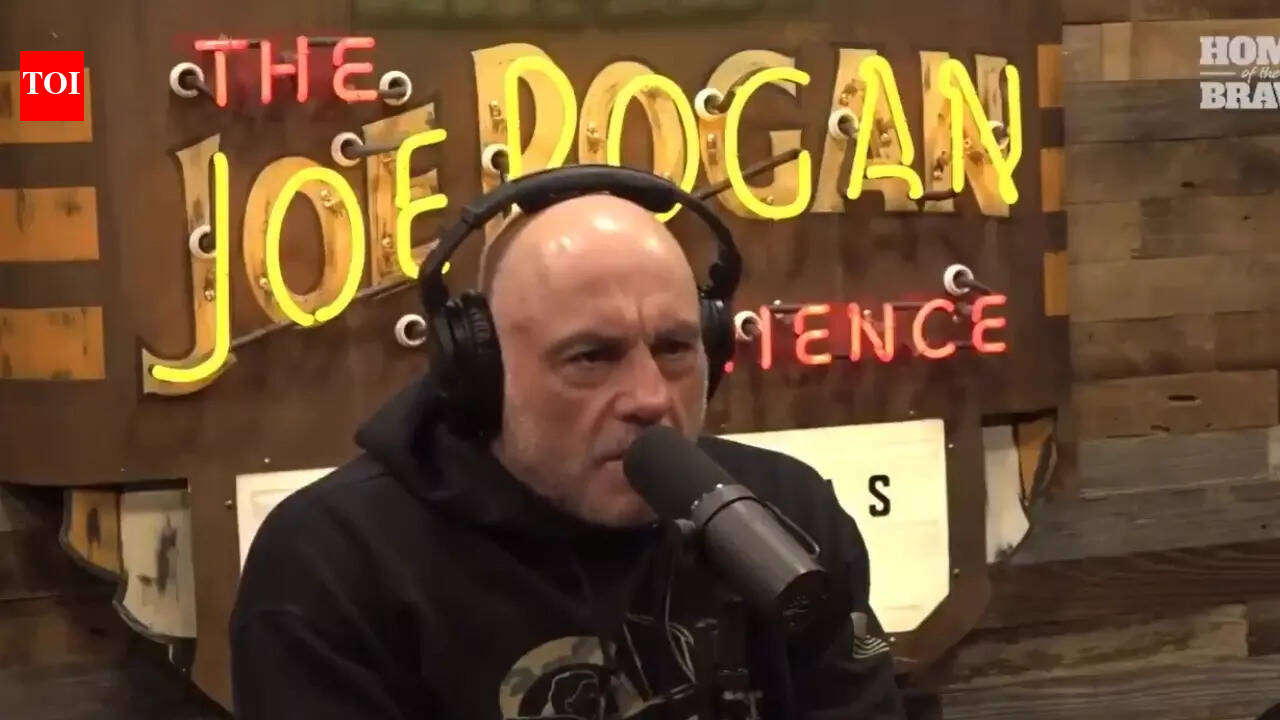
Podcaster Joe Rogan criticised US Immigration and Customs Enforcement (ICE) raids and the country’s hardline anti-immigration policies, claiming that enforcement efforts are increasingly targeting non-criminal migrants rather than violent offenders or cartel members.Speaking on a recent episode of The Joe Rogan Experience, Rogan alleged that ICE agents were focusing on locations such as Home Depot parking lots — where day labourers often gather — instead of prioritising what he described as “gang bangers, criminals and cartel members.”
“Then they start showing up at Home Depot. Instead of, like, looking for gang bangers, looking for criminals and cartel members, they go to whatever’s easiest pickings so they can get numbers up,” the podcaster said. Rogan cited conversations with Ed Calderon, a former Mexican military operative who is now a US citizen and an analyst known for reporting on cartel violence. According to Rogan, Calderon had described what he called “horror stories” stemming from ICE raids.One such case involved a man who was brought to the United States as a baby and lived there for roughly two decades without gaining citizenship. Rogan said the man, who reportedly does not speak Spanish and has no criminal record, was deported to Tijuana despite having spent virtually his entire life in the US.“He’s essentially an American, he just doesn’t have the paperwork,” Rogan said. “They sent him to Tijuana. He can’t speak Spanish, doesn’t know what to do, has no money, and is suddenly living on the streets.”Rogan’s comments add to an ongoing national debate over immigration enforcement priorities, due process in deportation cases, and the treatment of long-term undocumented residents who were brought to the US as children. Critics of current enforcement strategies argue that deportations based solely on legal status, rather than criminal history, can lead to severe humanitarian consequences.ICE has previously stated that its enforcement actions are aimed at upholding federal immigration law and protecting public safety, though civil rights groups and immigration advocates continue to question how those priorities are applied on the ground.
About the Author