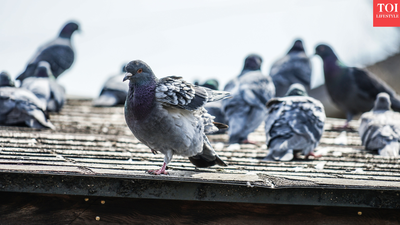
Karnataka’s health department has stepped up efforts to regulate pigeon feeding in public spaces, driven by rising respiratory cases linked to bird droppings.In bustling cities like Bengaluru, unchecked feeding swells pigeon populations–leading to droppings that coats benches, statues-and sidewalks. The issue is, when these dry out, they release tiny particles into the air–posing serious risks to passersby, especially in crowded markets and-parks, where people of walks of life pass by. In a U.O. Note issued by the Health and Family Welfare Department, the government said uncontrolled pigeon feeding has led to large congregations of birds, excessive droppings–and growing health hazards, particularly respiratory illnesses linked to prolonged exposure to pigeon droppings and feathers.
Hidden dangers in droppings
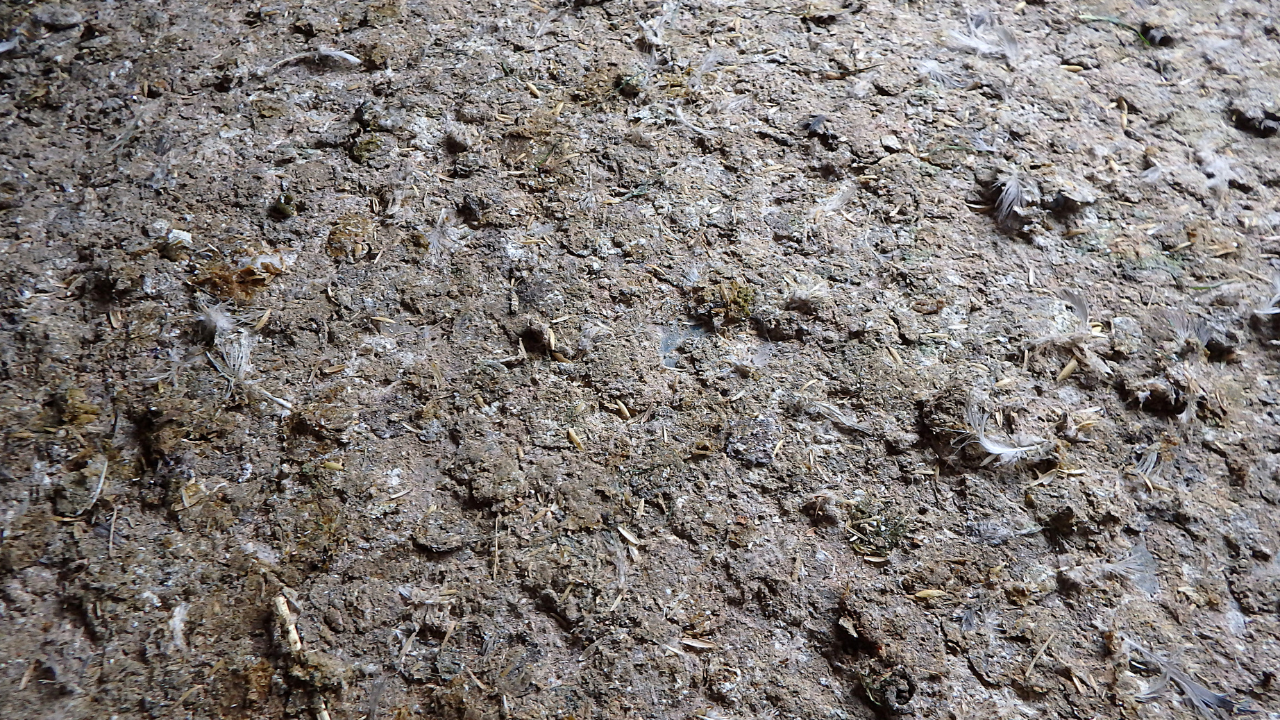
Pigeon feces teem with fungi such as Cryptococcus neoformans-and Histoplasma capsulatum, which thrive in the nutrient-rich waste.These microbes form spores that become airborne, easily inhaled during routine activities like walking or–sitting nearby. Once inside the lungs, they can spark cryptococcosis, starting with common flu-like symptoms—persistent cough, fever, chest pain–and fatigue, until it isn’t and it escalates to severe pneumonia-or brain inflammation in vulnerable groups.Immunocompromised individuals, including those with HIV, cancer patients, or transplant recipients, face the gravest threats. A pulmonologist in India noted cases where prolonged exposure led to lung fibrosis, forcing patients onto lifelong oxygen or even transplants.Children–and the elderly, with developing or weakening defenses-report higher allergy flares and breathing issues-too.
Bacterial infections

Bacteria like Salmonella, E. coli–and Campylobacter lurk in droppings, contaminating hands or food via touched surfaces. This spreads stomach bugs-causing diarrhea, vomiting–and dehydration. Feather dust–and fecal proteins trigger hypersensitivity pneumonitis, an allergic lung reaction that scars tissue over repeated exposures, mimicking chronic obstructive pulmonary disease-(COPD).Over 60 diseases tie back to pigeons, from psittacosis—a Chlamydia-like infection—to Newcastle disease. Asthmatics often worsen–with attacks sparked by the acrid dust.Studies show urban dwellers near feeding hotspots visit clinics 20-30% more for respiratory woes.Karnataka’s responseThe state now directs municipal bodies to ban feeding in high-traffic zones, designate controlled areas, and launch public drives. Fines or jail time loom for violators in Bengaluru, aiming to cut flock sizes-and cleanup needs. Experts praise this, noting that similar rules in Pune reduced-complaints.Protect yourself by skipping feeds altogether–opt for bird feeders away from crowds.If exposed, wash skin promptly-and vacuum droppings without sweeping to avoid dust. Wear masks in dusty spots–and seek medical help for lingering coughs. Urban planning with fewer roosts helps too. These steps safeguard health while respecting wildlife.
About the Author