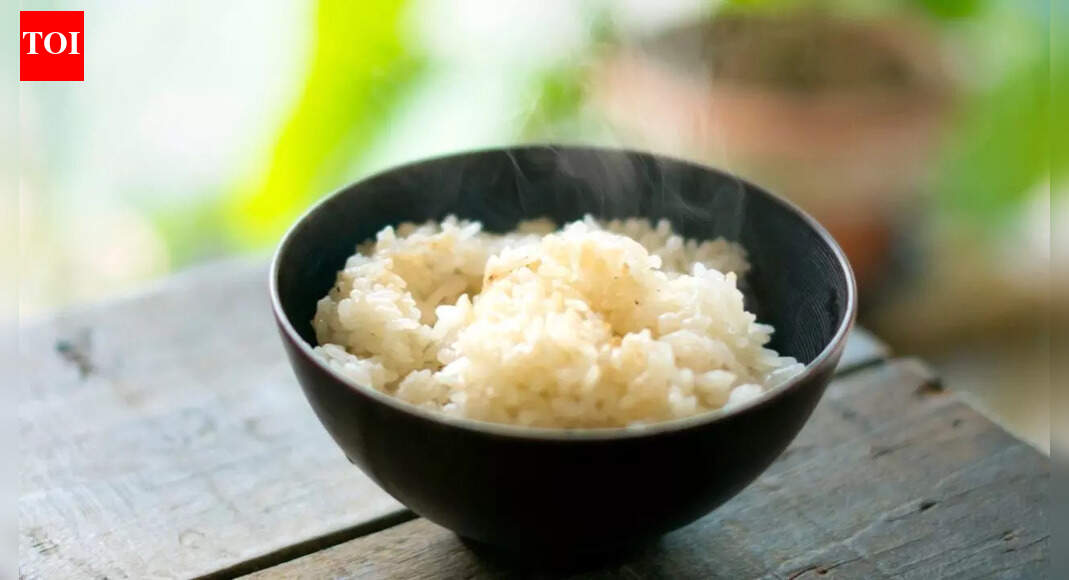
If you have only ever cooked rice in plain water, you may be missing out on a simple kitchen trick that transforms both flavour and aroma instantly. A growing number of home cooks and food enthusiasts are boiling rice in brewed tea instead of water, and many say the result tastes richer, more aromatic and far more exciting than ordinary rice. The tea infuses each grain with subtle fragrance and deep character, elevating a basic staple into something restaurant-worthy with minimal effort. This method works beautifully with a variety of teas, from green or jasmine to black or oolong, and pairs well with everyday meals. It is a small change that makes an unexpectedly big difference without needing spices, oil or complicated techniques.
Why cooking rice with tea improves flavour
When rice cooks in tea, the grains absorb flavour compounds naturally present in the brew. Tea contains aromatic oils, tannins and delicate floral or earthy notes that dissolve into the rice as it cooks. This enriches the taste without overwhelming it. The steaming process also helps lock in fragrance, so the scent is noticeable the moment the lid lifts.Unlike plain water, tea offers depth and character. A jasmine or green tea base feels light and floral, perfect for vegetable or stir fry dishes. Stronger teas like black tea introduce a warm, slightly smoky undertone that pairs well with grilled food or savoury broths. The tea also subtly enhances colour, giving rice a soft golden or amber tint depending on the tea used.
How to cook tea-infused rice at home
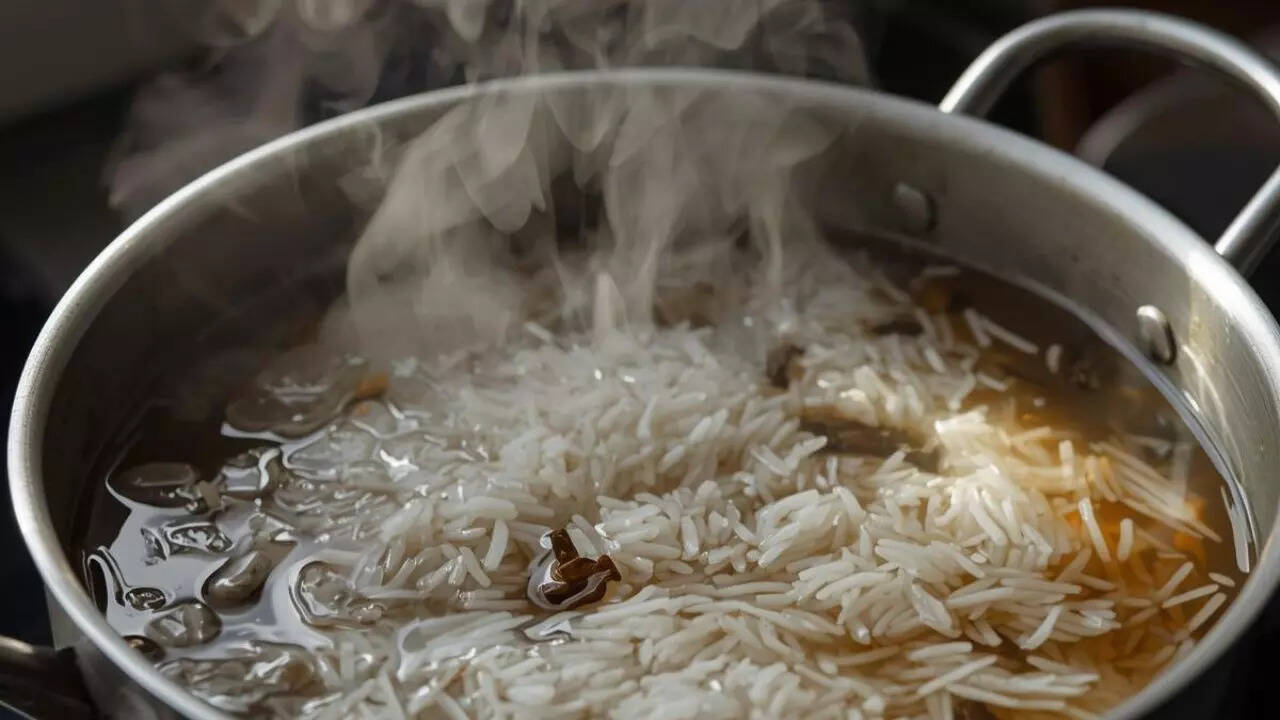
Making tea-infused rice is simple and requires no extra cooking skills. Here is how to do it:
- Rinse rice thoroughly under running water until the water becomes clearer
- Brew a pot of strong tea using loose leaves or tea bags
- Strain the tea and measure it in the same quantity you would normally use for water
- Add the tea and rice to a pot or rice cooker, plus salt if desired
- Cook as usual and let it rest for a few minutes before serving
The key is to brew the tea stronger than you would for drinking, since some flavour softens during cooking. Aim for about double the strength compared with regular tea.
Which teas work best for tea-infused rice
Different teas create different results. These are popular choices:
- Jasmine tea for floral aroma and delicate flavour
- Green tea for freshness, light body and mild grassy notes
- Black tea for deeper flavour, rich colour and light smokiness
- Oolong tea for a balanced blend of sweet and earthy tones
- Herbal tea, such as chamomile or lemongrass, for caffeine-free fragrance
Avoid very sweet, heavily flavoured or fruity teas, as they may clash with savoury foods unless used intentionally.
Benefits of cooking rice with tea
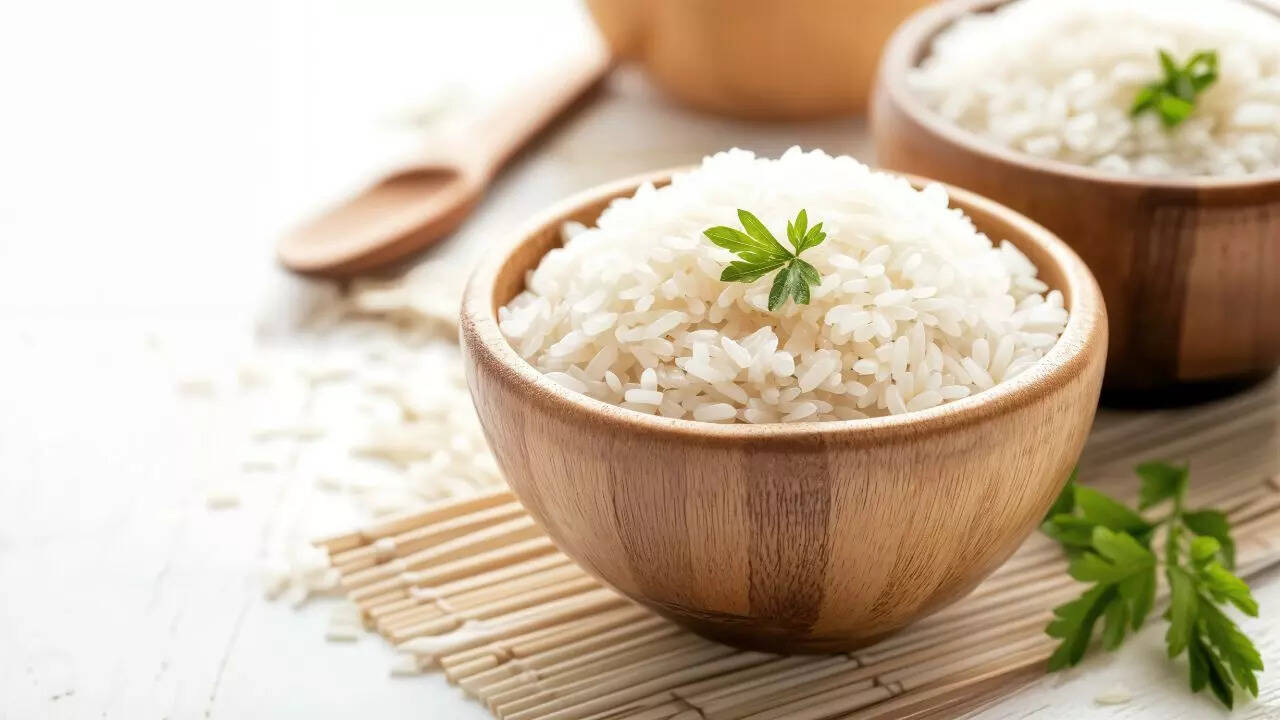
Cooking rice in tea offers several culinary and practical advantages:
- Provides more complex flavour without needing sauces or spices
- Adds aroma that enhances simple meals such as vegetables or eggs
- Offers antioxidants naturally present in tea, giving a lighter feel after eating
- Helps reduce blandness and lifts the final dish
- Encourages creativity without increasing preparation time
Because tea replaces water directly, the process remains effortless and accessible for daily cooking.
Best dishes to pair with tea-infused rice
Tea-infused rice works especially well with lighter or aromatic dishes. Ideal pairings include:
- Stir-fried vegetables or tofu
- Grilled chicken, fish or paneer
- Asian style curries, broths or soy-based dishes
- Salads and bowls where rice should not overpower other flavours
For heavily spiced curries or rich gravies, plain rice might still be better so the tea fragrance does not get lost.Tea-infused rice may sound unusual at first, but once tried, it often becomes a kitchen favourite. Using brewed tea instead of water enhances scent, flavour and appearance without extra cost or effort. It offers a creative twist on everyday food and can impress guests or refresh routine meals. Whether you start with jasmine or experiment with bold black tea, this method proves that a small change can produce surprisingly extraordinary results. Next time you cook rice, try swapping water for tea and discover the difference for yourself.Disclaimer: This content is intended purely for informational use and is not a substitute for professional medical, nutritional or scientific advice. Always seek support from certified professionals for personalised recommendations.Also read| Why your homemade buttermilk is just watered curd (and what real buttermilk actually is)
About the Author