
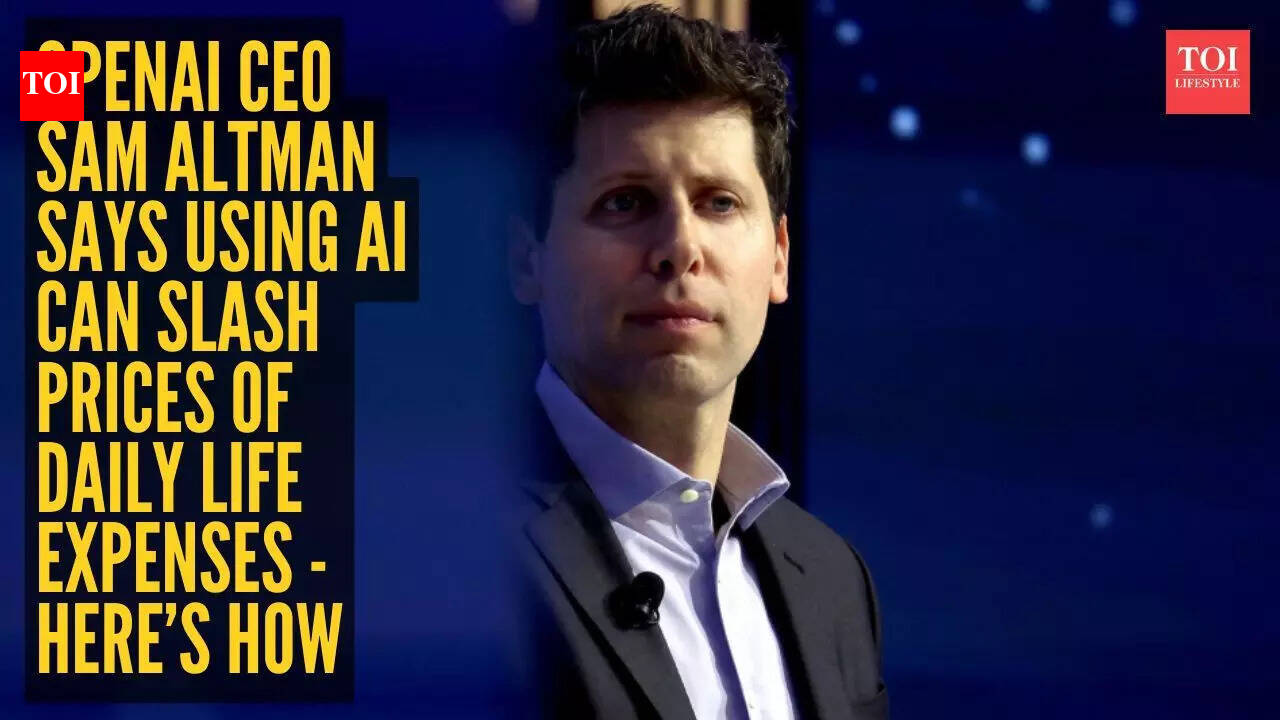
Imagine a world where your grocery bill shrinks, software gets dirt-cheap, and that side hustle suddenly pays like a full-time gig. OpenAI CEO Sam Altman sees this as AI’s inevitable gift— a deflationary wave crashing through the economy, making life more affordable. In recent company town halls and private chats, he’s doubled down: AI turbocharges productivity, letting one person do a team’s work, slashing costs across the board. Money would stretch further without needing fatter paychecks. It’s a sunny vision from the man steering ChatGPT’s rise, even as OpenAI burns billions quarterly while plotting $1 trillion data center empires. Exciting? Sure. Realistic? Let’s unpack.
Altman’s core pitch: Productivity unlocks abundance
Altman’s logic feels straightforward, almost hopeful. Picture software development: Today, a project needs coders, testers, managers— weeks of back-and-forth. With AI? One person ideates, iterates, and deploys in days for pennies. Multiply that by robotics, manufacturing— goods get cheaper to make, prices tumble. “Modest AI spending yields massive efficiency,” he argues, echoing past talks like a Morgan Stanley conference. Services follow: Tutors, lawyers, designers— AI handles grunt work, humans shine in creativity. Suddenly, $100 buys what once cost $200. It’s not just theory; Elon Musk and Anthropic’s Dario Amodei preach similar “post-scarcity” dreams, where basics like food and shelter cost next to nothing.OpenAI’s walking the talk, plowing cash into infrastructure despite slowing hires and ballooning ops costs. Altman shrugs off short-term pain: AI’s long game will flood markets with cheap abundance, boosting real wealth. For families pinching pennies amid inflation, it’s a tantalizing “what if”—your dollar regains power, dreams feel reachable.
The flip side: Today’s reality bites back
Here’s the reality: Dreams clash with data. US Fed rates stay put, wrestling with sticky inflation. Urban rents soar, long-term joblessness hits four-year peaks. Futurism notes studies showing AI’s productivity punch… well, missing so far. In offices, tool usage dips—workers say it doesn’t speed them up much. Hype outpaces helpings.Critics ask: If AI automates everything, then what about jobs? Altman agrees to empowerment—one-person empires thrive—but transition hurts. And history is proof of this: Tech shifts (ATMs, internet) birthed jobs, but unevenly.
What it means for the common man
Altman’s optimism stirs hope amid grocery-line gripes. Deflation sounds dreamy, but timelines matter too. While OpenAI’s trillion-dollar bet seems promising, yet quarterly fires remind us that Rome wasn’t built in a day. Leaders like Altman push a future where AI democratizes power and solo creators outpace firms. However, sceptics urge people to be cautious.Altman’s vision spotlights possibility: Tech as equalizer, not elitist toy. Will prices plummet? Jobs evolve? History says yes, but with hiccups. So stay curious— AI is rewriting rules, one prompt at a time. What’s your take— is this utopia or just hype? Tell us in the comments below.
About the Author