
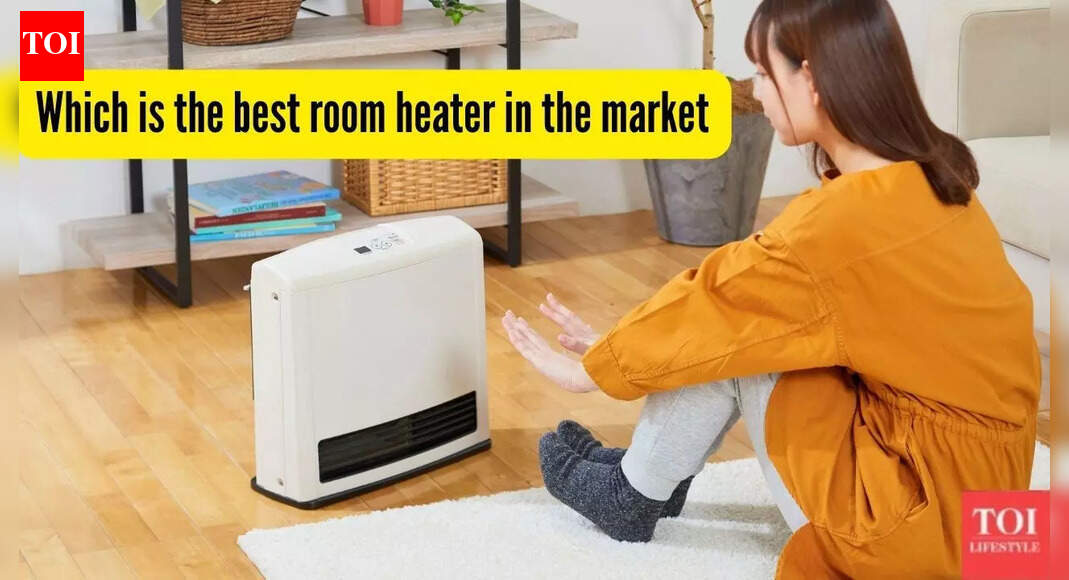
Come winters and all your heating options are out. When it comes to choosing the right room heater, comfort, safety, and budget becomes a priority. While the market is flooded with multiple options, each works on a different heating principle. There are a wide range of room heaters available; from oil and rod to filament and blower, each comes with its own strengths and potential drawbacks. Therefore, it is important to understand how they work and what they’re best suited for. Let’s have a look at these closely:Oil-Filled Heaters
Canva
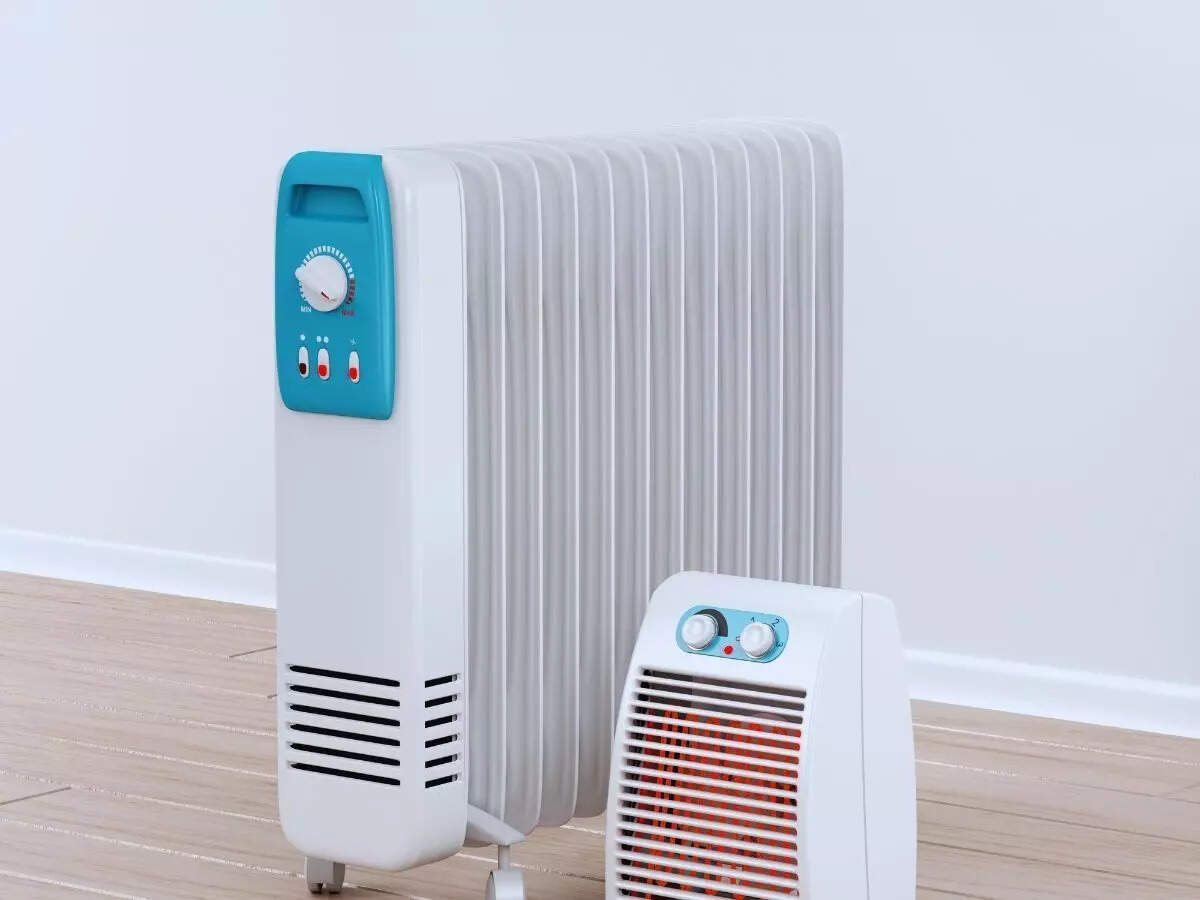
Oil-filled heaters comprise diathermic oil sealed inside metal fins or columns. It has an internal electric element which heats the oil and keeps the area warm. These are perfect for people looking for quiet and constant warmth, especially when used for longer periods.Pros:Once the oil is heated properly, it can keep the room warm even after being switched off. It is a perfect choice for overnight heating.Secondly, these are gentle and silent because of the absence of fans. Perfect for bedrooms and nurseries.Because they distribute heat over a larger surface area, it maintains safer surface temperatures. Oil heaters are also gentle on indoor air as they don’t blow air around. Perfect for allergic people!Cons:One of the main disadvantages is that it takes time to warm-up (usually 15–20 minutes).These are also on a heavier side and are bulky. Oil heaters are also pricier than basic heaters.These are generally safe.2. Rod & Filament (Quartz/Infrared) Heaters
canva
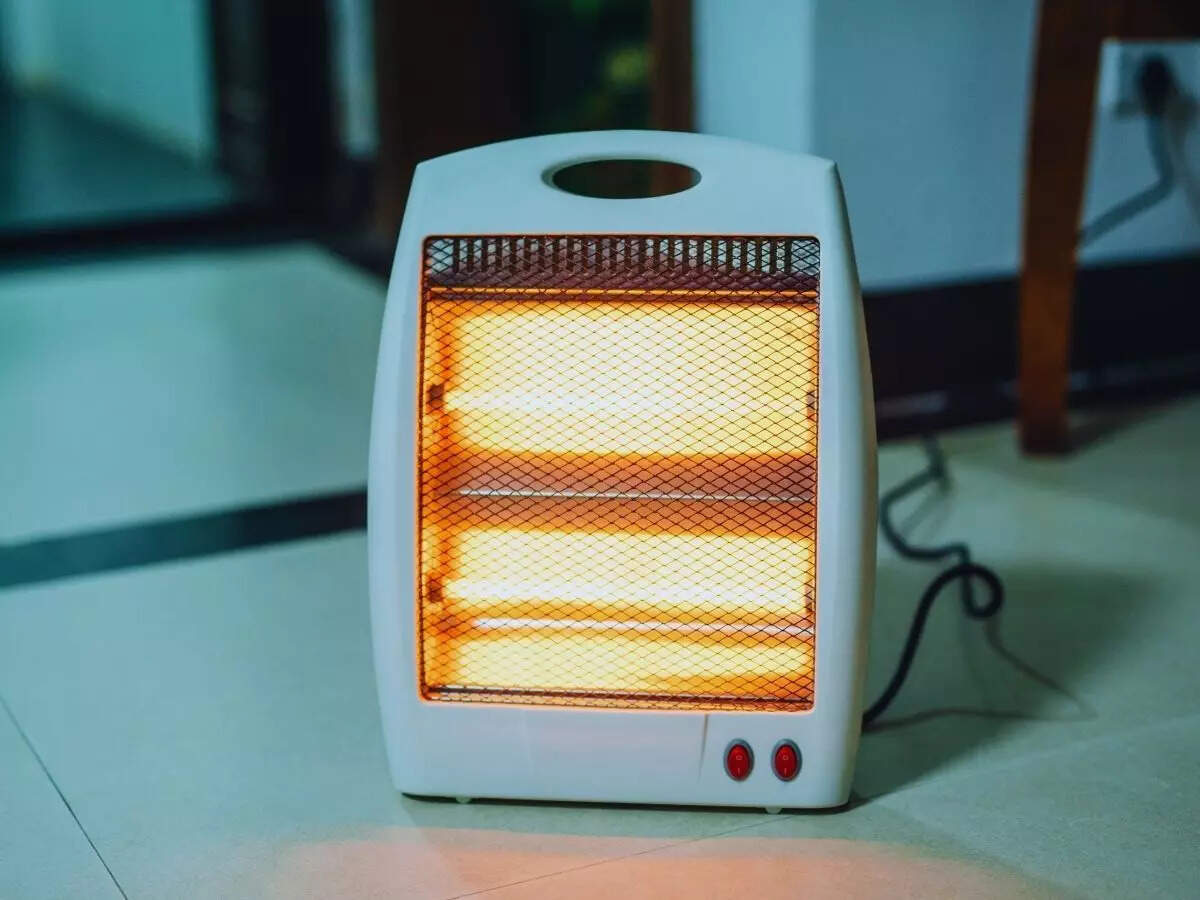
Rod or filament heaters are typically infrared or quartz heaters which use an exposed element emitting infrared radiation. It is more or less similar to how the sun warms objects. They don’t heat surrounding air but just the objects and people who are directly within their sight. Tod heaters are perfect for quick warm-ups.Pros:The best thing about these heaters is that they provide instant warmth. Feet and body feel warmth almost immediately, ideal for spot heating.Efficient when you need direct heat.These are portable and often compact.Also, these are inexpensive and easy on pockets. Cons:These heaters are less effective when it comes to warming the whole room.Also, the element can become extremely hot and cause burns if touched accidentally. Risky for households with kids and pets.Heat diminishes quickly.When it comes to safety, you’ll have to keep a safe distance from fabrics, curtains, and furniture. The high surface temperatures pose burn and fire hazards.3. Blower (Fan) Heaters

canva
Blower heaters (or fan heaters) use a heating coil. Air is blown by an internal fan which warms the air and room quickly.Pros:It is best for quick room heat up as air circulates fast.These heaters are compact and lightweight.When it comes to affordability, these are cheap and suitable for small rooms.Cons:However, these heaters can be noisy, as the fans create disturbing sounds.Also, they have a drying effect. Continuous use can dry out indoor air and also irritate skin.These heaters work on ongoing air circulation, so consume more energy. Your electricity bill can be high.When it comes to safety, never leave these heaters unattended or overnight. Ventilation is important.Regardless of heater type, certain risks are common. If your room is not properly ventilated, heaters can reduce humidity and oxygen levels significantly, which is bad for respiratory health. Experts recommend bowls of water near heaters and good ventilation.Avoid keeping any heater close to curtains, or bedding. It greatly increases fire risk. Keep these far away from kids and pets. Now the question is, “which one is the Best”?

canva
Well, it is important to understand there is one single answer for it. The best depends completely on your needs and requirements:If you are someone looking for safe and silent heating, choose oil heaters.If you are looking for a heater that can offer instant warmth, go for rod/filament heaters.And if you are looking for short sessions, blower heaters are the best for you.So, now the choice is yours. Choose your best room heater as per your space, usage, and safety concerns. Happy winters!
About the Author