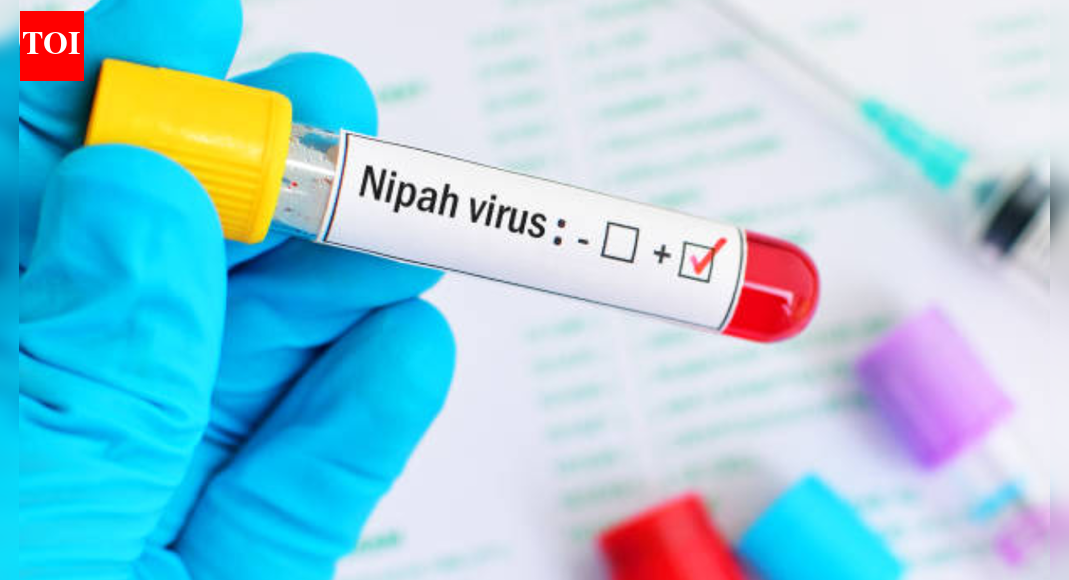
Nipah cases are back in the news. Two cases of the virus have been identified in West Bengal, reports have said quoting the National Institute of Virology in Pune. Following the emergence of the cases, 90 people, who were in close contact with the patients, have been traced and are under lens.Of the two patients, both nurses, one is in coma and the other is in a critical state. As per reports, the nurses had high fever and respiratory problems. Nipah, which is transmitted to humans from animals (such as bats or pigs), is a life threatening infection and as per the World Health Organisation (WHO), the fatality rate is up to 75%. Fruit bats are the natural carriers of the disease.There are currently no drugs or vaccines specific for Nipah virus infection.
Government’s response
Union Health Minister JP Nadda has assured the West Bengal Government of comprehensive technical, logistical and operational support following the detection of two suspected Nipah virus cases at ICMR-VRDL, AIIMS Kalyani, the Health Ministry has posted on X (formerly Twitter).
What expert says
“Nipah virus infection is a zoonotic disease that means it spreads through contact with the infected animals or fruit beds. It can affect any body parts specially the respiratory system and the neurological system. It causes acute respiratory distress, illness and encephalitis,” says Dr. Santosh Kumar Agrawal, Director – Internal Medicine, Yatharth Super Speciality Hospital Faridabad.“It has a high mortality rate and outbreaks are reported in India, in Bangladesh, in Singapore and Malaysia and it is now an emerging infection. It usually spreads through the infected animals like pigs , bats and fruit beds. So the most important aspect of this disease is hygiene,” the doctor suggested.
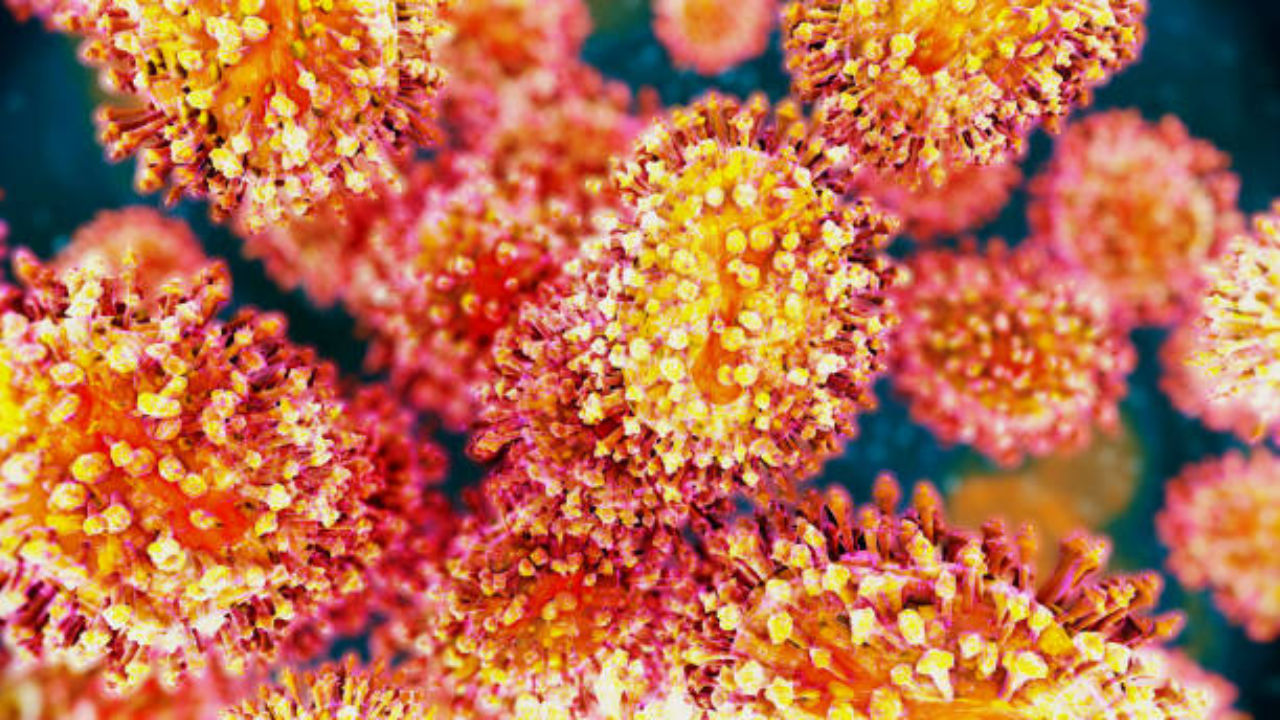
“So any person who is dealing with the animal industry should take the proper precautions specially the infected animals should be separated and they should be handled in a proper way with all infective precautionary measures. Likewise the patients who are having Nipah virus infection should be handled in a proper aseptic precaution should be taken to handle the patients and these are the most important aspects for prevention of this disease,” he urges.
WHO-recommended prevention tips
Currently, there are no vaccines available against Nipah virus. Based on the experience gained during the outbreak of Nipah involving pig farms in 1999, routine and thorough cleaning and disinfection of pig farms with appropriate detergents may be effective in preventing infection,” says WHO. The UN health agency recommends, quarantining animal premises once infection is reported. “Culling of infected animals – with close supervision of burial or incineration of carcasses – may be necessary to reduce the risk of transmission to people. Restricting or banning the movement of animals from infected farms to other areas can reduce the spread of the disease,” it recommends.To minimise animal to human transmission, the WHO recommends, wearing gloves and other protective clothing while handling sick animals. As much as possible, people should avoid being in contact with infected pigs, it says.
About the Author