We are almost in the early months of 2026, and you have probably noticed a change in how people refer to the spring holidays. Some refer to it as Chinese New Year (CNY), while others use the term Lunar New Year (LNY) exclusively. Initially, it may appear to be just a matter of differing preferences; the terms are actually quite different culturally, especially with the upcoming Year of the Fire Horse that will be quite lively. If you are organising a party or just want to follow conversations on social media without making mistakes, it is very important to know exactly what these two terms mean. With the peak of global fascination with Eastern traditions expected to last 60 years, here is the explanation of the difference and its importance in 2026.
The Technical Difference: It’s All in the Calendar
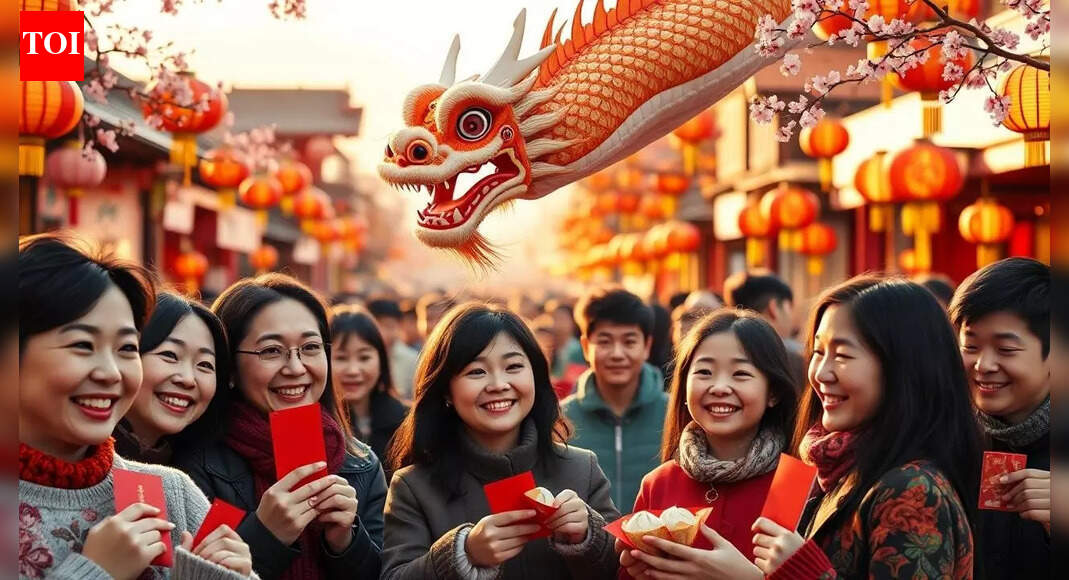
Looking at the sky is necessary to perceive the difference. Lunar New Year is an umbrella term for various New Year celebrations observed according to the lunar or lunisolar calendar. The sun determines the dates in the Western (Gregorian) calendar, while the moon determines the time of the year in many Eastern societies. Chinese New Year is one of the Lunar New Year types, specifically the Chinese New Year. It is based on the Chinese lunisolar calendar and is full of Chinese traditions, myths (such as the Nian monster), and the 12-animal zodiac system. Although the dates of different celebrations in Asia may often coincide, the particular traditions, such as giving red envelopes (hongbao) and the Dragon Dance, remain exclusively Chinese practices. The Year of the Fire Horse in 2026 will start on February 17. This date marks the celebration of “Lunar New Year” by billions of people around the globe, yet only a few will be celebrating “Chinese New Year.”
A Continent of Celebrations: Vietnam, Korea, and Beyond
The term “Lunar New Year” has gained enormous popularity in the last few years, mainly due to the recognition of the various cultures that celebrate it. The Chinese celebration indeed is the most well-known worldwide, but there are other countries, each having its own culture, which are equally ancient and lively: Seollal (South Korea): The Koreans dress in traditional hanbok, practice ancestor worship, partake of tteokguk (sliced rice cake soup), and perform the ritual of charye. Instead of loud fireworks during the Chinese holiday, it is a time of quiet family reflection for Koreans. Tết (Vietnam): Vietnamese New Year, known as Tết Nguyên Đán, is characterised by the “Kitchen God” ritual and the eating of bánh chưng (sticky rice cakes). Additionally, they have a somewhat different zodiac—for instance, while the Chinese have the Year of the Rabbit, Vietnam observes the Year of the Cat. Losar (Tibet): The Tibetan New Year is celebrated according to a different calendar and certain Buddhist rites, which are older than the regular cultural exchange.
Why the Distinction Matters in 2026
You may question our insistence on terminology this year. In 2026, the Year of the Fire Horse is going to be a great “global awakening” in astrology. The Fire Horse, a rare event that occurs only every 60 years, will draw the world’s attention to the East. The use of the precise term reflects one’s understanding of the culture. In international business, marketing, and social media, the use of “Lunar New Year” is considered the more inclusive and sophisticated approach. However, if one is attending the festival in Beijing or going to see the parade in Chinatown, “Chinese New Year” is a completely acceptable term. The “Fire” of 2026 represents passion and identity, so getting the name right means acknowledging the person celebrating their identity and showing them respect.
The “Fire Horse” Factor: A Shared Energy
Each lunar new year coinciding with the 2026 Fire Horse energy is a common factor, even if they are called differently—Tết, Seollal, or Chunjie. The very theme of the 2026 zodiac, which is the absolute crossover and swift change, is overshadowed by the lights of Asian cities, where people are having tteokguk in Seoul or dumplings in Shanghai. The transition is significant this year, as the world longs for the “Horse’s” freedom to roam after the more stringent years of the early 2020s. No matter if it is referred to as LNY or CNY, the festivities on the 17th of February, 2026, will be a worldwide “reboot.” It will be a day to get rid of the old (in the sense of cleaning your house and banishing bad luck) and to welcome the heat and brightness of the Fire element.We are almost in the early months of 2026, and you have probably noticed a change in how people refer to the spring holidays. Some refer to it as Chinese New Year (CNY), while others use the term Lunar New Year (LNY) exclusively. Initially, it may appear to be just a matter of differing preferences; the terms are actually quite different culturally, especially with the upcoming Year of the Fire Horse that will be quite lively. If you are organising a party or just want to follow conversations on social media without making mistakes, it is very important to know exactly what these two terms mean. With the peak of global fascination with Eastern traditions expected to last 60 years, here is the explanation of the difference and its importance in 2026.
The Technical Difference: It’s All in the Calendar
Looking at the sky is necessary to perceive the difference. Lunar New Year is an umbrella term for various New Year celebrations observed according to the lunar or lunisolar calendar. The sun determines the dates in the Western (Gregorian) calendar, while the moon determines the time of the year in many Eastern societies. Chinese New Year is one of the Lunar New Year types, specifically the Chinese New Year. It is based on the Chinese lunisolar calendar and is full of Chinese traditions, myths (such as the Nian monster), and the 12-animal zodiac system. Although the dates of different celebrations in Asia may often coincide, the particular traditions, such as giving red envelopes (hongbao) and the Dragon Dance, remain exclusively Chinese practices. The Year of the Fire Horse in 2026 will start on February 17. This date marks the celebration of “Lunar New Year” by billions of people around the globe, yet only a few will be celebrating “Chinese New Year.”
A Continent of Celebrations: Vietnam, Korea, and Beyond
The term “Lunar New Year” has gained enormous popularity in the last few years, mainly due to the recognition of the various cultures that celebrate it. The Chinese celebration indeed is the most well-known worldwide, but there are other countries, each having its own culture, which are equally ancient and lively: Seollal (South Korea): The Koreans dress in traditional hanbok, practice ancestor worship, partake of tteokguk (sliced rice cake soup), and perform the ritual of charye. Instead of loud fireworks during the Chinese holiday, it is a time of quiet family reflection for Koreans. Tết (Vietnam): Vietnamese New Year, known as Tết Nguyên Đán, is characterised by the “Kitchen God” ritual and the eating of bánh chưng (sticky rice cakes). Additionally, they have a somewhat different zodiac—for instance, while the Chinese have the Year of the Rabbit, Vietnam observes the Year of the Cat. Losar (Tibet): The Tibetan New Year is celebrated according to a different calendar and certain Buddhist rites, which are older than the regular cultural exchange.
Why the Distinction Matters in 2026
You may question our insistence on terminology this year. In 2026, the Year of the Fire Horse is going to be a great “global awakening” in astrology. The Fire Horse, a rare event that occurs only every 60 years, will draw the world’s attention to the East. The use of the precise term reflects one’s understanding of the culture. In international business, marketing, and social media, the use of “Lunar New Year” is considered the more inclusive and sophisticated approach. However, if one is attending the festival in Beijing or going to see the parade in Chinatown, “Chinese New Year” is a completely acceptable term. The “Fire” of 2026 represents passion and identity, so getting the name right means acknowledging the person celebrating their identity and showing them respect.
The “Fire Horse” Factor: A Shared Energy
Each lunar new year coinciding with the 2026 Fire Horse energy is a common factor, even if they are called differently—Tết, Seollal, or Chunjie. The very theme of the 2026 zodiac, which is the absolute crossover and swift change, is overshadowed by the lights of Asian cities, where people are having tteokguk in Seoul or dumplings in Shanghai. The transition is significant this year, as the world longs for the “Horse’s” freedom to roam after the more stringent years of the early 2020s. No matter if it is referred to as LNY or CNY, the festivities on the 17th of February, 2026, will be a worldwide “reboot.” It will be a day to get rid of the old (in the sense of cleaning your house and banishing bad luck) and to welcome the heat and brightness of the Fire element.
About the Author