

Every winter, as the cold grip of the northern Indian region starts to unravel, the lighting of Lohri candles casts a radiant glow over the villages, towns, and cities of Punjab as well as the surrounding areas. This event is observed every year on 13 January as Lohri. Despite the popularity of the event as an occasion for music and dance as well as delicious food, the cultural significance of Lohri remains embedded in a strong folk tale. The main focus of Lohri is the legendary figure of Dulla Bhatti from the Punjabi mythology, who brings meaning to the event through the tale of courage, justice, and kindness. At a deeper level, the event of Lohri signifies the memory of resistance and the values of every community.Lohri is not only a celebration of nature but also a celebration of human values. The legend of Dulla Bhatti fits naturally into the festival because it reflects resistance against injustice, compassion for the vulnerable, and responsibility towards the community.
Lohri 2026 : The cultural importance of the traditional bonfire
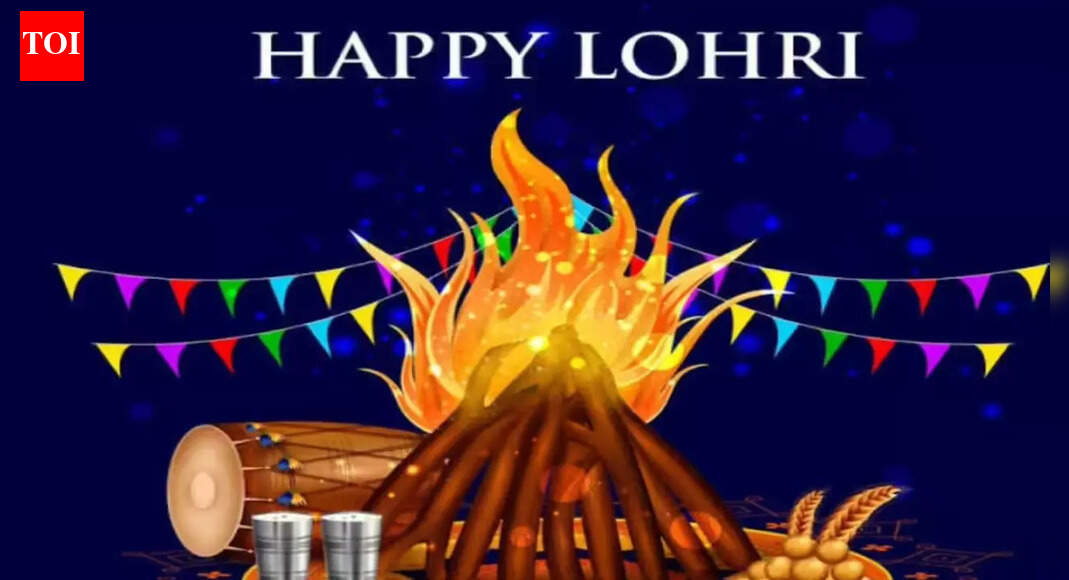
The festival of Lohri is inextricably linked to the agricultural cycle of Northern India. This festival is in close relation to the rabi season and its important produce like wheat and sugarcane, which are the principal contributors to the agricultural economy of Punjab, Haryana, Himachal Pradesh, and some areas of Delhi. The festival of Lohri occurs at a time when farmers recognise what they have already accomplished and express their appreciation and seek blessings of success in their farming endeavours in the forthcoming season.The occurrence of Lohri is also marked when the sun begins to move towards the northern hemisphere, thus materialising the process of rebirth, warmth, and optimism. This process further strengthens the celebration of light triumphing over the bitter cold winter.The central aspect of celebrations during Lohri is the bonfire, which is both a ritual and a gathering in itself. Families and communities assemble around the bonfire, and their offerings include traditional products such as sesame, jaggery, peanuts, popcorn, and so on, which constitute winter harvests and ingredients providing warmth and sustenance in the winter months.The act of offering food to the fire symbolises gratitude, purification, and the victory of light over darkness. More significantly, the bonfire in Lohri provides a platform to the people to meet each other, sing folk songs, dance Bhangra and Gidda, and help in the development of a sense of community. The warmth of the fire symbolises the warmth of a sense of community inherent in the spirit of Lohri.
Who was Dulla Bhatti, the folk hero of Punjab
Beyond its agricultural significance, Lohri is inseparable from the story of Dulla Bhatti, often described as the Robin Hood of Punjab. Dulla Bhatti does not appear prominently in official court histories. Instead, his legacy survives through oral traditions, folk songs, and storytelling that have travelled across generations. According to folklore, he came from a family of local chiefs who resisted Mughal authority, particularly opposing harsh land revenue policies that placed immense pressure on farmers and villagers.Though labelled an outlaw by the ruling administration, he became a hero in popular memory for standing up against injustice. He is remembered as someone who protected the poor, challenged exploitation, and defended the dignity of ordinary people at a time when power was heavily concentrated in the hands of the state.
The Sundri and Mundri legend that links Dulla Bhatti to Lohri
Among the most common stories about Dulla Bhatti and the celebrations of Lohri is the story of Sundri and Mundri. In Punjabi culture, both Sundri and Mundri were poor girls whose lives were endangered in a period of time when the lives of women and girls were in danger of falling victim to those who could take advantage of them.He protected them, securing them from harm, looking after them. He served as a guardian to the children, who had no one, arranging marriages for them so that they might be protected. The folk tradition remembers him thus: He could not give them much, but they had all that he could.This made Dulla Bhatti a symbol of social justice and strength of character. Over the years, the story of Sundri and Mundri has been incorporated into the songs of Lohri in order to ensure that their memory is not erased in the festivals held every year.
Enduring spirit of Lohri and the legacy of Dulla Bhatt
The communal aspect of Lohri remains as important today as it was in the past. The bonfire acts as a focal point where social barriers soften, and relationships are renewed. Singing traditional songs and sharing food reinforce a sense of belonging that extends beyond individual households.In modern times, Lohri is also celebrated to mark personal milestones such as the birth of a child or a newly married couple’s first winter together. These customs strengthen the festival’s association with continuity, life, and hope for the future. Despite changing lifestyles and increasing urbanisation, the essence of Lohri has endured. While the way people celebrate may evolve, the values embedded in the festival remain unchanged. Gratitude for nature, respect for tradition, and remembrance of shared stories continue to define Lohri’s significance.
About the Author