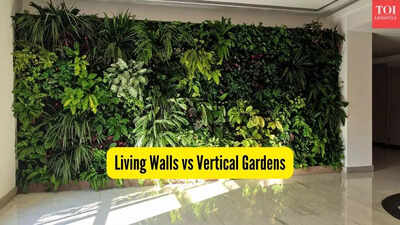
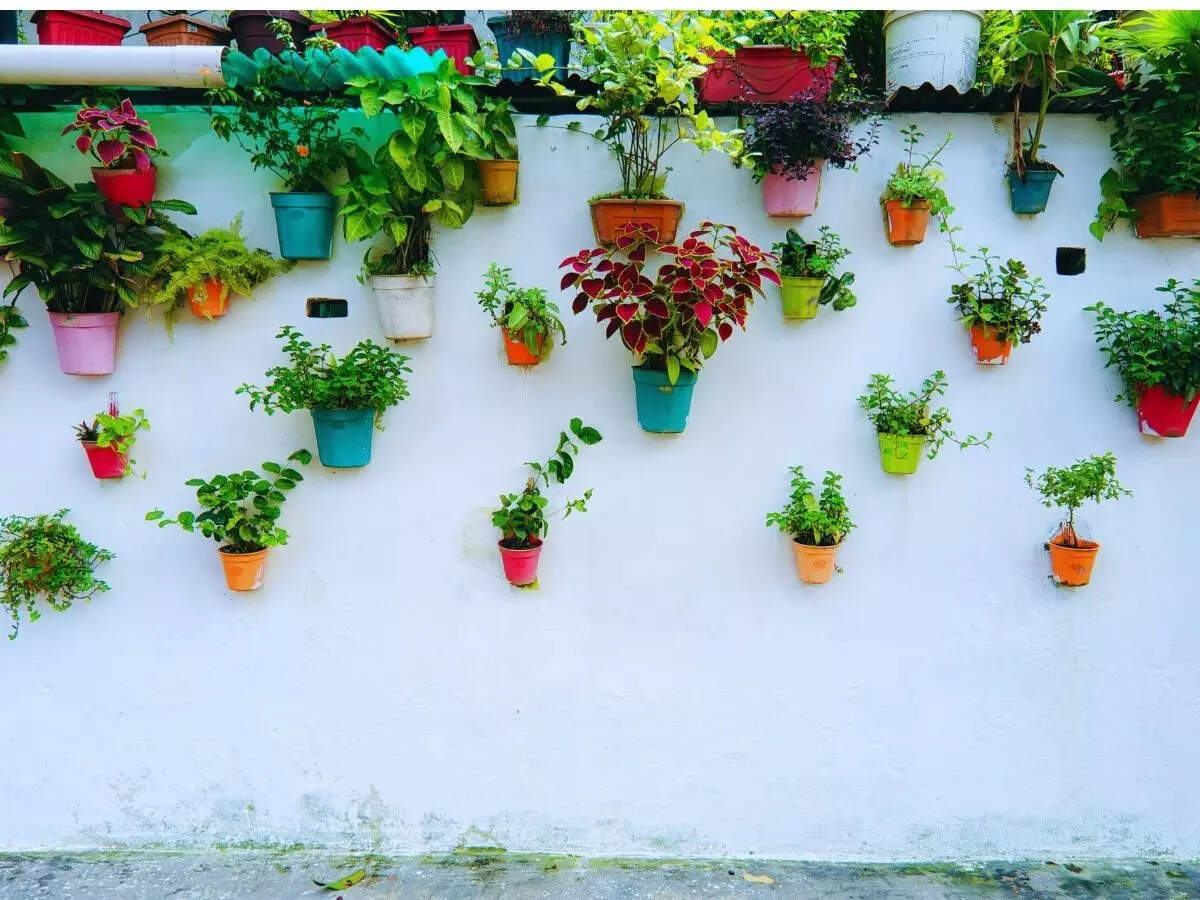
These are the days when we live in apartments and flats. The homes have become smaller and people are moving upward instead of outward. This shift has given birth to the concept of Living Walls and Vertical Gardens. These are getting increasingly popular in contemporary homes, modern offices, new cafes, and even balconies. Today, most of us use these two terms as the same. But no, this is not right. These are two different things and the real difference between living walls and vertical gardens will allow you to choose the right option for your space.Let’s have a closer look at these:Vertical gardenIn simple words, a vertical garden refers to growing plants vertically instead of on the ground. This can include wall-mounted pots and hanging planters or DIY structures, among others. These types of gardens are lightweight and easy to install and are perfect for small spaces. If you have small balconies or terraces with good light, you can grow a vertical garden. Vertical gardens are typically flexible and focus is on utilising space in environments with limited horizontal regions. Not only this, this kind of setups are also easy-on-pocket. Why are these popular
canva
Vertical gardens are getting more and more popular because they are easily approachable. You generally don’t require professional help to install one. Also it’s easy to maintain and is straightforward. Watering is manual and plants can be replaced without much fuss. The best part is, the whole setup can be changed or removed without harming walls. This is why vertical gardens are ideal for people who live in rented apartments. You can easily grow herbs or flowering plants and even small vegetables!Living Walls
Canva
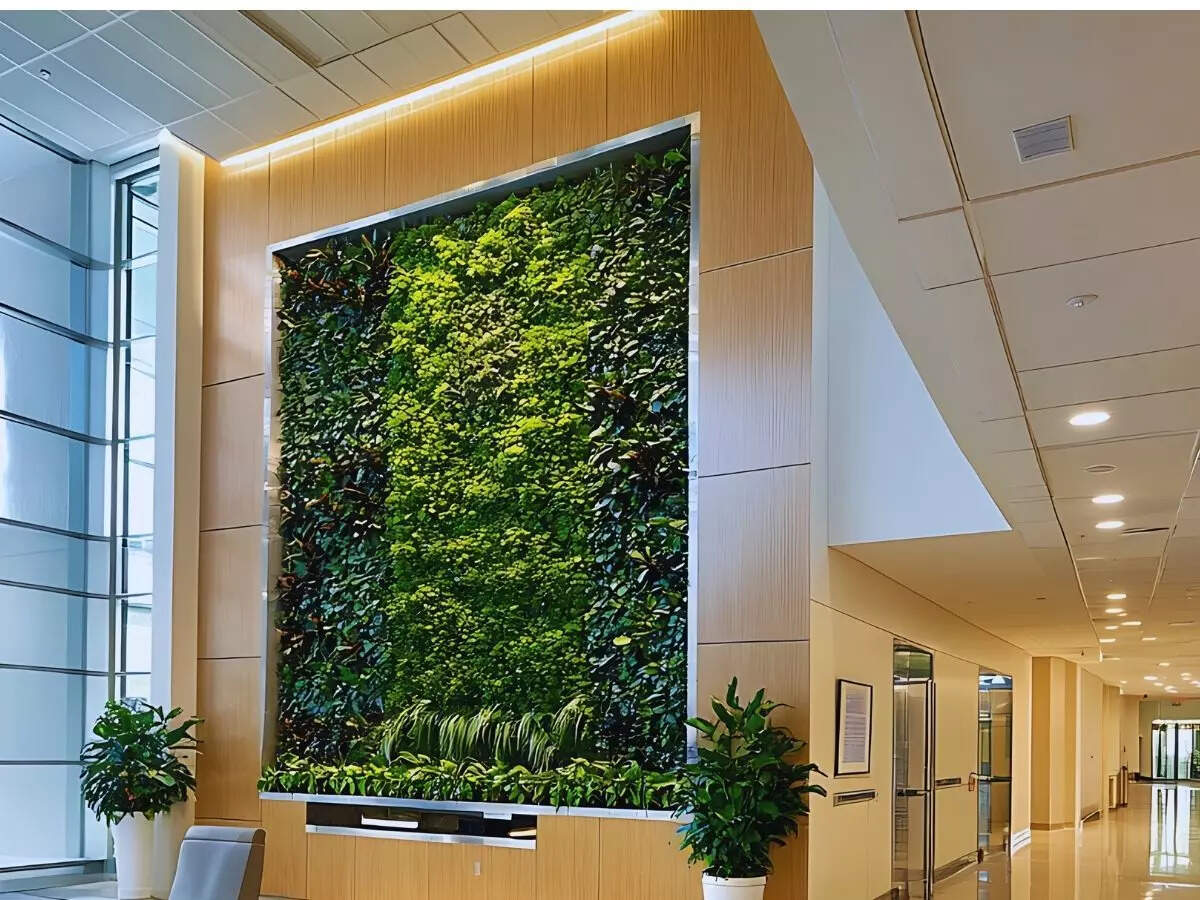
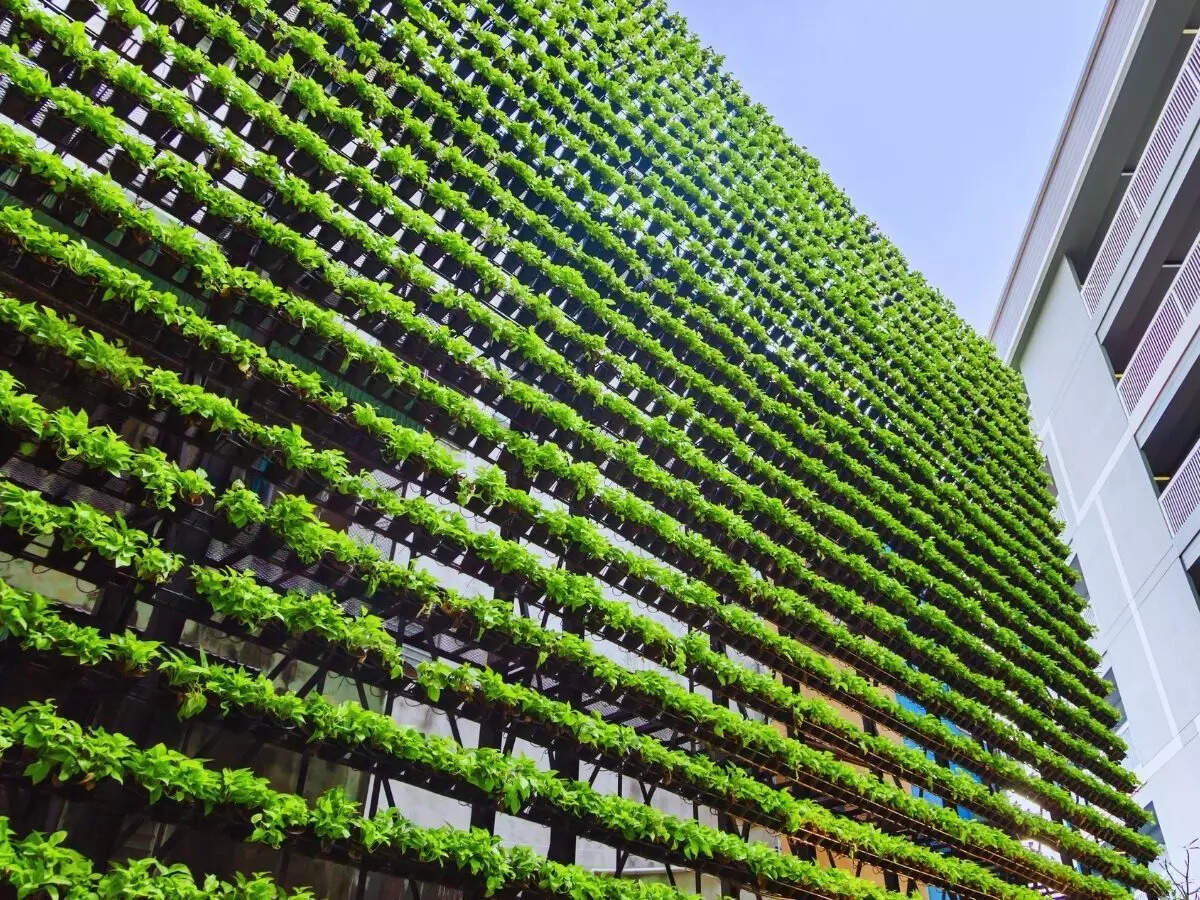
A living wall, on the other hand, is an advanced setup. It is more of an engineered system and is also known as green walls. This setup involves plants growing within a specially designed structure fixed directly to a wall surface. It needs a waterproof backing layer, a growing medium, built-in drainage. It often uses an automated irrigation system. Living walls are designed to function as a single, continuous green surface. Why are these popular

Canva
In simple words, it is more of a permanent installation because of its design. You can spot these in luxury apartments, hotels, or corporate offices. These days, some high-end residential projects are also incorporating this setup. These are not only aesthetic, but research shows that well-designed living walls can help improve indoor air quality substantially. It can reduce noise levels too.Main difference between Vertical Gardens and Living WallsMaintenance Maintenance is where the biggest difference lies between the two setups. While vertical gardens seek simple care, living walls often need professional planning and periodic time-to-time technical maintenance. It is because of the chances of water leakage or wall damage in Living Walls. CostThe initial cost of a living wall is also significantly higher than that of a vertical garden. Also vertical gardens don’t require much maintenance, they are budget friendly and easily manageable. So which one is right for you?
Canva
Well, the answer is simple. If you are looking for an affordable and beginner-friendly way to add greenery to a small space, a vertical garden is the best option. But if you are looking for a permanent and long-term setup, then with higher investment, you can install a living wall.Now that you know the differences between the two setups, you can easily choose the best for your space! In simple terms, all living walls are vertical gardens, but not all vertical gardens are living walls so the right choice depends on how beautiful you want your space to look.
About the Author