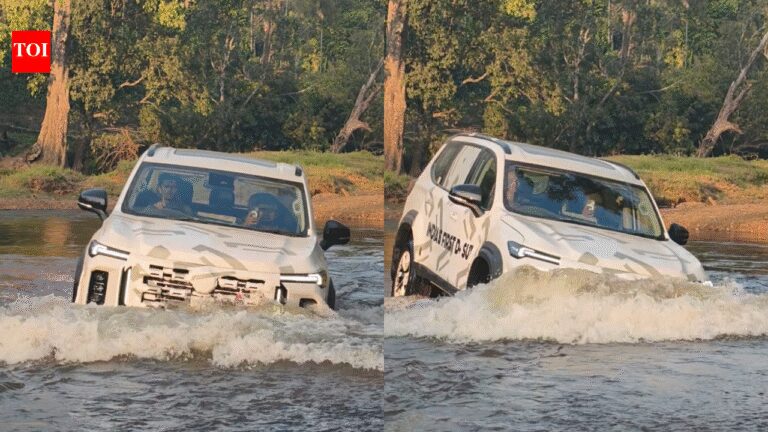
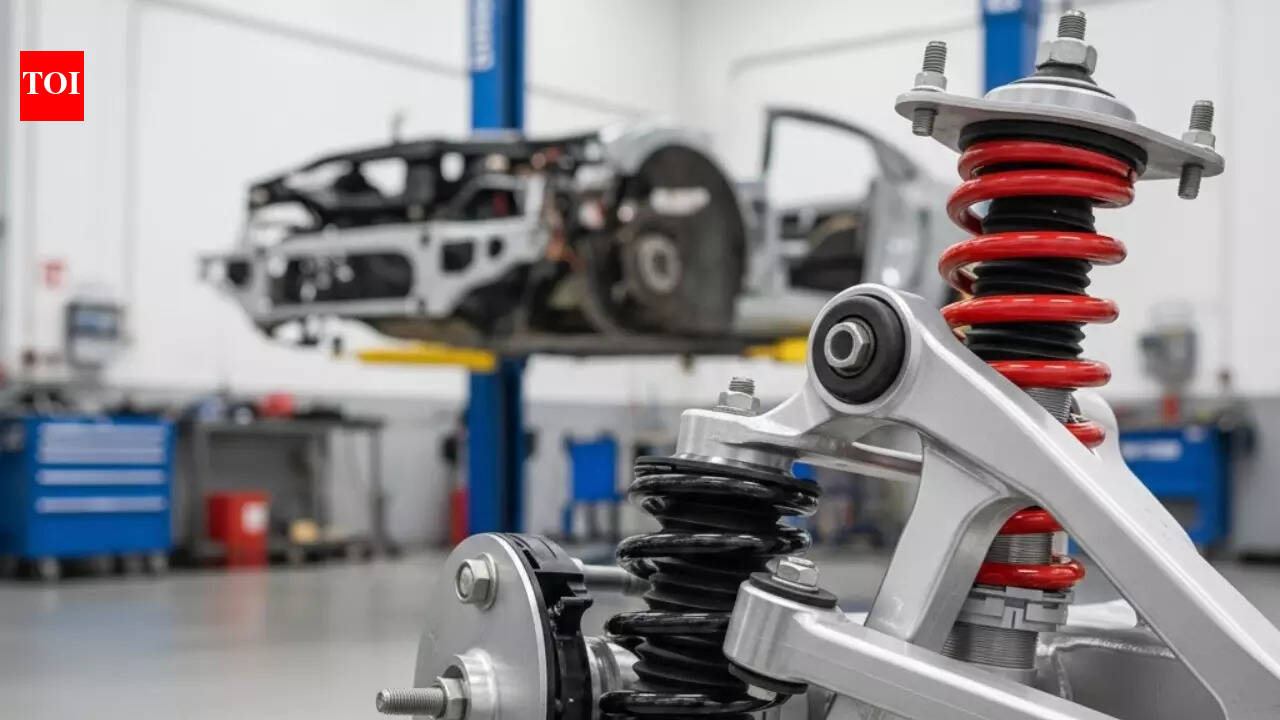
Your car’s suspension doesn’t fail overnight. It gives you warnings. The problem is, most of us ignore them until the ride becomes uncomfortable. On Indian roads, where potholes, speed breakers and broken patches are part of everyday driving, the suspension works harder than almost any other component. That also means it wears out sooner than many owners expect.One of the first signs something isn’t right is a noticeable change in ride quality. If your car suddenly feels harsher over small bumps or starts crashing into potholes that it earlier handled well, it’s worth paying attention. A healthy suspension should absorb impacts, not transfer them straight to your spine.Excessive bouncing is another clear giveaway. After hitting a speed breaker or dip, your car should settle quickly. If it continues to bounce two or three times, the dampers are likely on their way out. This is especially common in older hatchbacks and compact SUVs that spend a lot of time fully loaded.
Strange noises should never be ignored. Squeaking sounds from the front or rear, especially at low speeds, often point to worn suspension, joints or link rods. In Indian conditions, rubber components take a beating due to heat, dust and water. Once they crack or harden, noises are usually the first symptom.Uneven tyre wear is another indicator. If you notice the inner or outer edges of your tyres wearing out faster than the rest, the suspension or alignment could be at fault. Many drivers simply replace tyres without fixing the root cause, only to see the new set wear out just as quickly.A car that pulls to one side or feels unstable while braking is also a red flag. A failing suspension can reduce tyre contact with the road, affecting braking confidence and straight-line stability. On highways, this can be unsettling. In the city, it can be downright dangerous.Excessive body roll while cornering is another sign. If your car leans more than usual during turns or feels floaty at higher speeds, components like anti-roll bars or dampers may be worn. This is something you start noticing gradually, which is why many drivers adapt to it without realising something is wrong.
About the Author