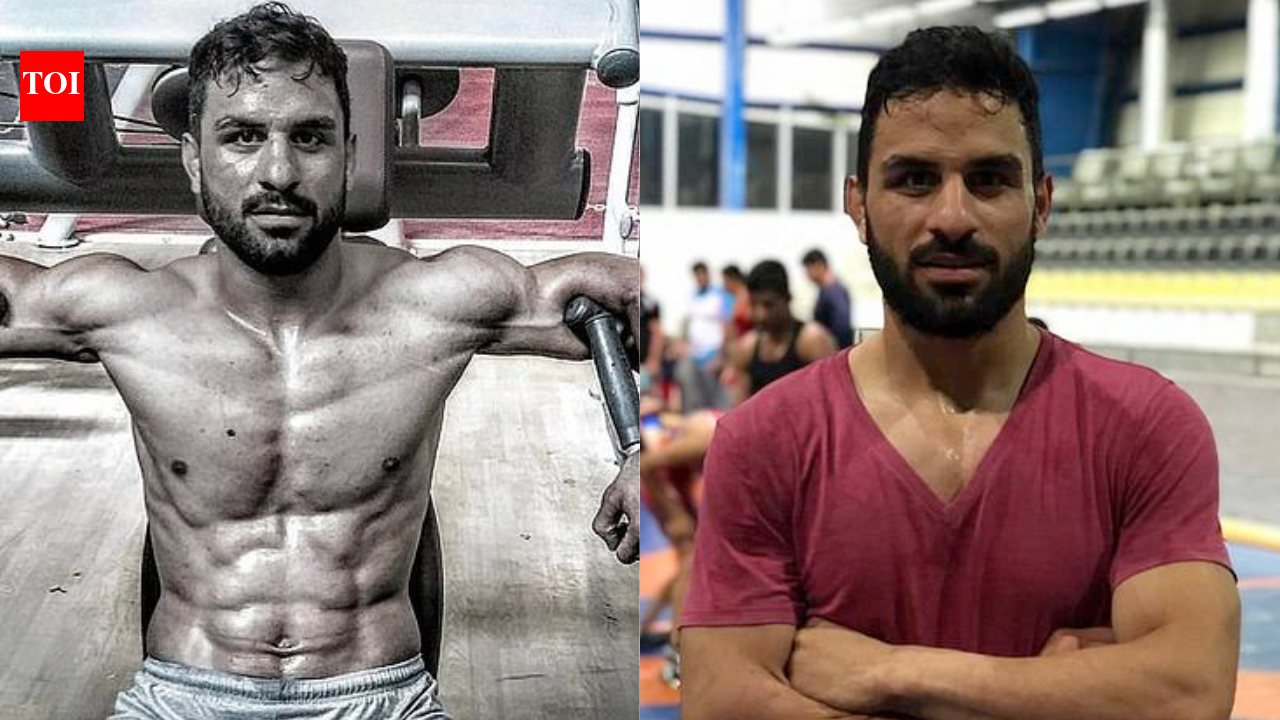
Navid Afkari dreamed of wearing Iran’s colors at the Olympics. Donald Trump tried to save his life and Dana White begged publicly for mercy. Still, in September 2020, the Iranian state hanged the 27-year-old wrestler. His death shocked the sports world and sent fear through a nation already hurting.If life had been fair, Afkari would have been training, traveling, and chasing medals. Instead, he was killed by the same country he loved after joining street protests. Iranian officials said he was guilty of murder. Afkari said again and again he was innocent. Human rights groups said his trial was unfair. What happened next showed how dangerous it can be to speak up in Iran.Afkari grew up in Shiraz, a city known for poetry and culture. Wrestling is Iran’s proudest sport, and Afkari was good at it from a young age. By 17, he was in a national camp. By 23, coaches saw him as a future Olympian. To support his training, he worked as a laborer during the day and trained whenever he could. His rise made him famous, and that fame later made him a target.
Navid Afkari’s execution after protests shows the deadly cost of dissent in Iran
In 2018, Iran faced large protests over rising prices and strict rules. Afkari joined those protests. Soon after, he and his two brothers were arrested and accused of killing a security guard. Afkari said he was tortured into a false confession. Amnesty International called his trial “grossly unfair,” saying he was not allowed a proper defense.Despite global anger, the courts sentenced Afkari to death. One charge was murder. Another was “waging war against the state” for protesting. His brothers received long prison terms, with one spending around 1,000 days in solitary confinement. Afkari’s claims of torture were never properly checked.On September 12, 2020, Afkari was hanged in Shiraz. His family was not allowed a final visit. The execution was rushed. United Nations later said the killing appeared to be used as a warning during growing unrest.Before his death, Afkari recorded a message from prison. He said he had faced many opponents in wrestling, but none as unfair as the system holding him. He said he was innocent and asked people not to forget him.Iran’s power system leaves little room for protest. The Supreme Leader, Ayatollah Khamenei, has final control. Online spaces are tightly watched, and many platforms are blocked. Journalist Masih Alinejad later said Afkari became a hero after death, not because he wanted fame, but because he spoke up.Trump and White both appealed publicly. Trump posted on Twitter asking Iran to spare Afkari’s life, linking to Fox News. White released a video saying Afkari was a human being and deserved mercy. Their efforts failed.After Afkari’s death, his grave was damaged many times. According to Iran International, officials even tried to control his headstone to stop it becoming a protest site. Years later, fear still surrounds those who speak out. Afkari’s story shows how little has changed, and how high the price of protest remains.Also Read: Olympic Swimmer Ryan Lochte Moves In With Girlfriend And Her Three Kids As Blended Family Grows Amid Divorce And Custody Battle
About the Author