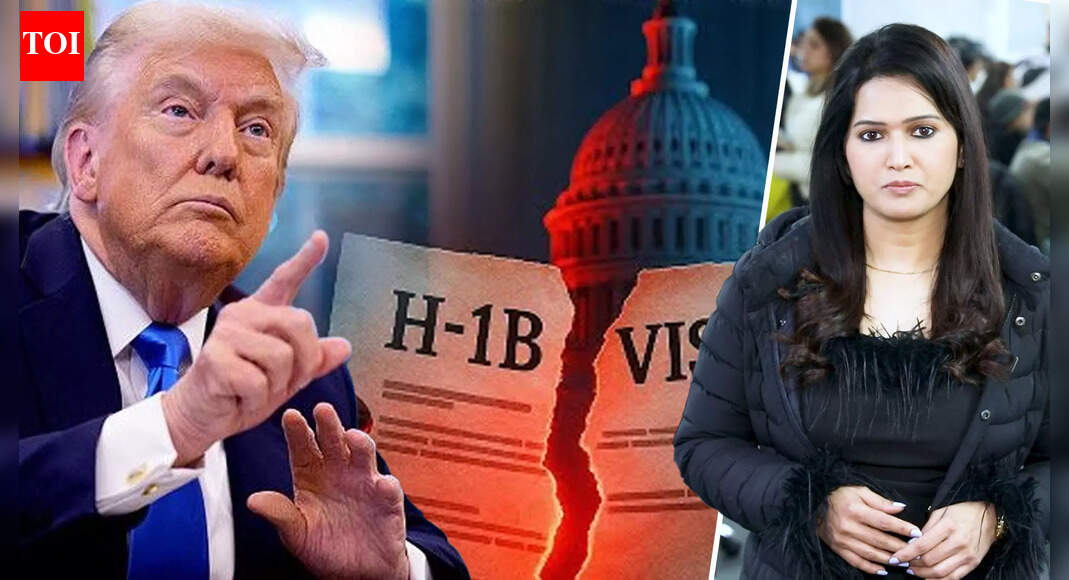
Indians in US are facing a rising wave of anti-immigrant rhetoric, with harassment and discrimination spreading online and in real life alike. Experts warn that the backlash is shaping both workplaces and even cultural celebrations.“Indians have become a victim of an increasingly ethnocentric narrative around migrants,” said Siddharth Venkataramakrishnan, analyst at the London-based Institute for Strategic Dialogue, according to the Financial Times.
He added: “I think where we go from here is, unfortunately, that we see anti-immigrant rhetoric increasingly moving in the direction of a ‘war for the soul of America’.” Advocacy groups say this has made US companies more hesitant to support Indian cultural events such as Diwali.The surge in hostility comes amid changes to the H-1B visa programme. Indian nationals make up 71 per cent of H-1B holders and have been accused of being “job stealers” and visa scammers as they work for a cheaper salary than most domestic American workers. In February, the Department of Homeland Security will prioritise applications from the highest-paid workers to “better protect American workers”.The non-profit Centre for the Study of Organized Hate has tracked “co-ordinated campaigns” to harass Indian American entrepreneurs who received Small Business Administration (SBA) loans. The hostility was described as part of a “spike in discrimination and harassment in the US portraying Indians as job stealers and visa scammers.”Threats of violence against south Asian people rose 12 per cent in the year to November, according to Stop AAPI Hate and counterterrorism company Moonshot. Online slurs against south Asians also increased by 69 per cent.
FedEx under fire: Is it because the CEO is Indian?
Social media has been constantly attacking FedEx CEO Raj Subramaniam, accusing him of replacing white American workers with Indian employees. The company said, “For more than 50 years, FedEx has fostered a merit-based culture that creates opportunity for everyone. We take great pride that this has resulted in a workforce that represents the diversity of the more than 220 countries and territories we serve.”
About the Author