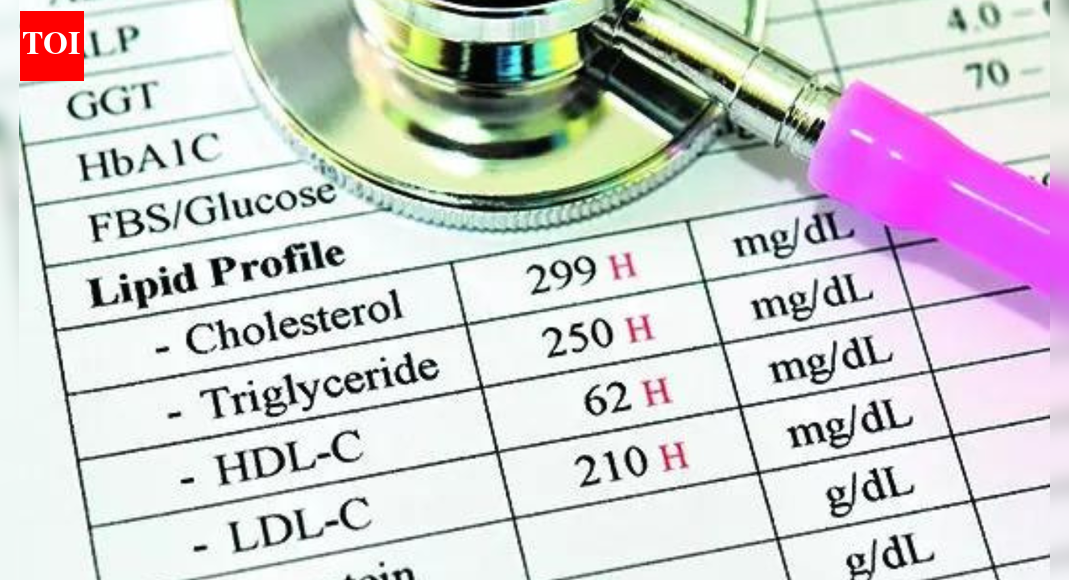
NEW DELHI: The Indian Council of Medical Research (ICMR) has shortlisted 11 medical institutions across the country for a study to define what is medically normal for Indian children and adolescents – a move expected to significantly improve diagnosis and treatment.At present, many of the “normal ranges” used to interpret children’s blood tests and other investigations are based on data from western populations, which doctors say may not accurately reflect Indian children’s health profiles. The new study aims to address the gap by generating India-specific reference values. “These reference values are crucial in helping doctors decide whether a child’s test result falls within a healthy range or requires medical attention,” said Dr Tushar Sehgal, in charge or hematology section in department of laboratory medicine of AIIMS and one of the principal investigators. “Children are not small adults, and Indian children are influenced by distinct genetic, nutritional and environmental factors. Using reference values developed for other populations can lead to errors. Creating indigenous reference ranges will greatly improve diagnostic accuracy and help avoid both unnecessary treatment and missed diagnoses,” Dr Sehgal said. He added so-called “normal” blood test values can vary depending on where people live and their nutritional background. People living at high altitudes, for instance, naturally have higher haemoglobin levels because their bodies adapt to lower oxygen levels. The shortlisted institutions include AIIMS Delhi, Jodhpur, Raipur, Bhopal, Kalyani and Gauhati along with NIMHANS and others medical institutes. Under the study, data will be collected from healthy children and adolescents to establish reliable baseline health values that clinicians can use across hospitals and diagnostic laboratories.
About the Author