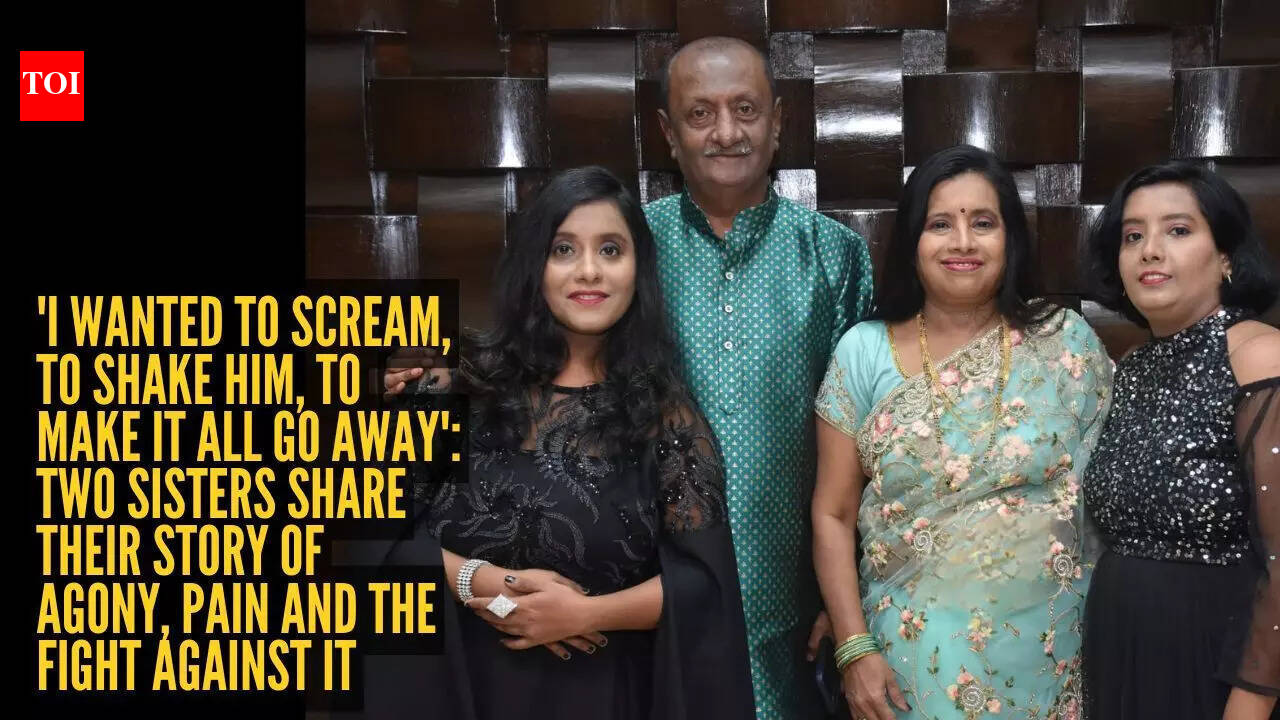
There are moments in life that arrive quietly, without warning, and change everything. Moments that redraw family roles overnight, forcing children to become caregivers and parents to relearn vulnerability. And such moments of pressure can either make or break a family. For the Vaidya twin sisters, Aishwarya and Apoorva, those moments arrived twice— one year apart—when both their parents suffered strokes, turning their ordinary home in Mumbai into a place of quiet courage, relentless resilience, and love that refused to bend. “Strength isn’t about never breaking— it’s about picking up the pieces and moving forward,” says Aishwarya, as she recalled the incidents which changed their family forever, but brought them closer than ever before.Until then, their family life had been like many others— anchored in routine, arguments over small things, shared meals, laughter, and an unspoken belief that their parents would always be strong. Their father, Padmanabh Vaidya, was the steady pillar of their family of four; while their mother, Madhuri, was the emotional centre of the home. The twin sisters had grown up watching them manage life effortlessly, never imagining that a day would suddenly arrive when the same hands that once held them would need holding.
The night everything changed forever
The first stroke came unexpectedly, in the early hours of the morning. It was on September 20, 2022, just two days after their mother’s 60th birthday which they had celebrated with great joy. Little did they know that their world would come crashing down, slowly yet suddenly.One moment, life was normal; the next, their father lay on the floor, unable to speak or move. “At 3:00 AM, a sound shattered the night— Papa had collapsed. I was sleeping in the next room when my sister woke me up. Seeing him lying on the floor overwhelmed me with shock, and I fainted— my bond with him made it hard to accept what was happening. As I regained consciousness, I noticed he was trying to communicate but couldn’t speak clearly; this made me faint again. But my sister stayed calm and steady. Apoorva quickly contacted our doctor, who instructed us to take my father to the hospital immediately,” Aishwarya shared, thinking about the fateful night.The diagnosis— severe stroke— arrived with words no family is ever prepared to hear. It was a Pontine Infarct to be precise, and it attacked Mr Vaidya’s brainstem which controlled his speech and movement, and it was due to his uncontrolled diabetes for months. This subsequently led to paralysis. Speech loss. Tube feeding. Uncertainty.“Watching him lie there, unable to communicate, was unbearable. I wanted to scream, to shake him, to make it all go away— but I could do nothing. He was trapped in his own body, and I was trapped in my helplessness,” Aishwarya said thinking of the dark days that changed her life forever.In hospitals, time behaves differently. Days stretch into nights; hope and fear coexist in the same breath. The Vaidya sisters learned new languages— medical terms, therapy schedules, feeding routines— while silently grieving the man their father had been just a few days earlier. Meanwhile, their mother Mrs Vaidya became a steady force in their chaos. After five days of intensive care at the hospital, their father was discharged for home with intensive speech therapy and physiotherapy recommendations. At home, his bedroom transformed into a recovery ward. But this was the just the beginning of their ordeal, a harsh truth that they were unaware of.
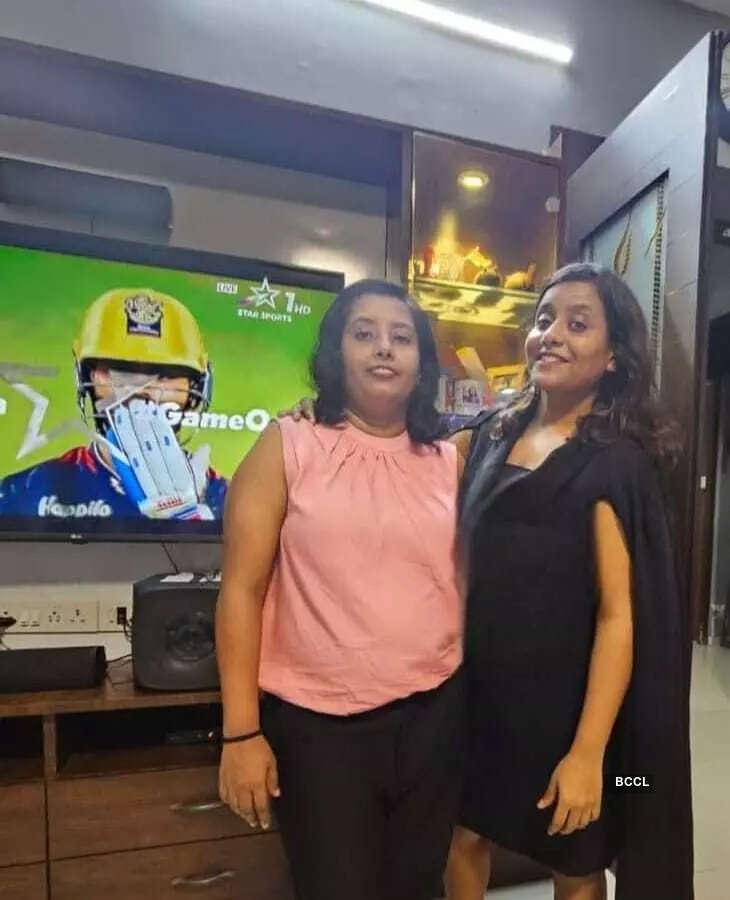
(L-R): Apoorva and Aishwarya Vaidya
A few days later, Mr Vaidya suffered from continuous hiccups that persisted for two days. One consulting the doctor, he couldn’t figure out the reason for it. But just a days later Mr Vaidya started choking and vomiting, his skin turned pale and his oxygen monitor beeped 24 mm Hg. “I barely had time to think before we were calling the ambulance, racing against time,” Apoorva shared.This time he was diagnosed with aspiration pneumonia– which happened because he had inhaled food particles into his lungs, and it led to a dangerous infection. After spending a few days at the hospital for his treatment, he was started on tube feeding which continued at home along with catheter care. Meals were measured, movements monitored, nights spent listening for unfamiliar sounds.What made it harder was not just the physical care, but the emotional adjustment. Watching a parent struggle to lift a hand or form a word shakes something deep inside. Aishwarya admits, “I was breaking, but I refused to shatter. Some cracks ran deep, but even in my weakest moments, I held on— because love wouldn’t let me fall apart completely… I didn’t realize then that healing wasn’t about trying harder— it was about time, patience, and faith.“Slowly, with relentless physiotherapy, encouragement, and an unbreakable will, their father began to recover. First a movement. Then steps. Then speech. The feeding tube was removed. By sheer determination, he reclaimed his independence— an outcome that felt nothing short of a miracle!But, just when the Vaidyas began to breathe again and live without the fear of losing the patriarch of their house, life tested them once more.
A second blow, a deeper fear
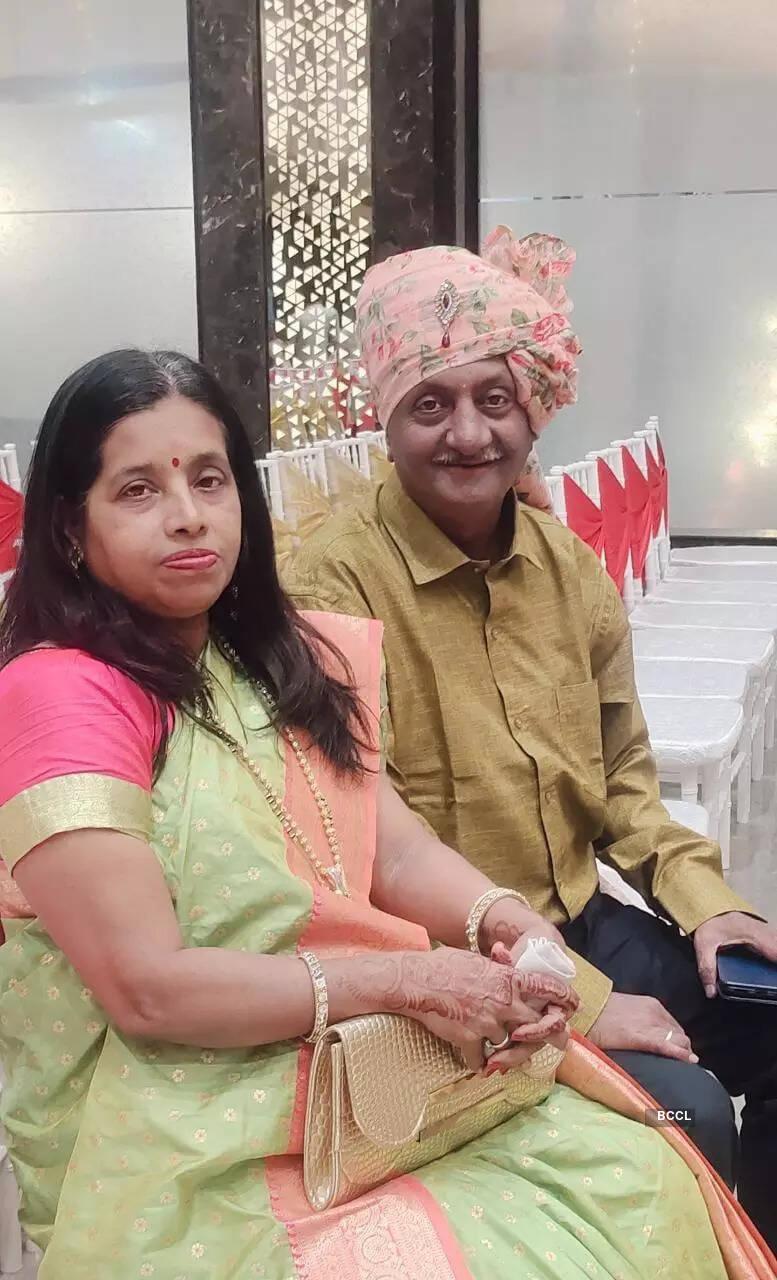
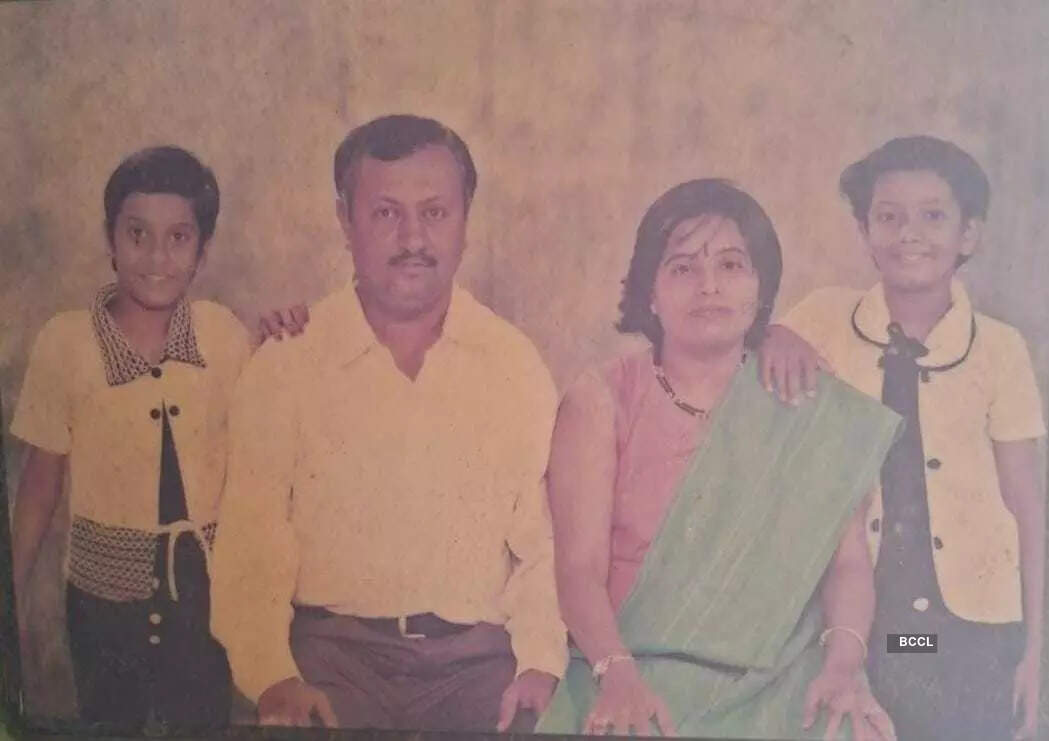
(L-R): Mrs Madhuri Vaidya and Mr Padmanabh Vaidya
Roughly one year later, on December 26, 2023, history repeated itself. This time it was their mother who suddenly started vomiting one day, and seemed all confused. The signs were subtle, but dread set in quickly. “We recognised the symptoms immediately. A stroke. And then, days later, a more severe one,” Apoorva said recalling the dreadful events.“We felt like we were walking on eggshells, afraid that any moment could bring another heartbreak. We cried in despair and we clung to each other for comfort,” she said. Aishwarya added, “But we knew that we would fight for Mummy the way she had always fought for us and do whatever it took to bring her home again.”If the first crisis had shaken them, the second nearly broke them. This was the woman who had quietly held the family together through the father’s recovery. Now as she recovered at home, she sat withdrawn, apologising for being “a burden,” convinced she had become the reason her daughters’ lives had paused. The guilt was heavier than the illness itself.Once again, Aishwarya and Apoorva stepped in— not as heroes, but as daughters who refused to let love become conditional. They divided responsibilities instinctively. One managed medicines, appointments, and routines. The other focused on feeding, conversation, emotional reassurance. They became advocates with doctors, motivators during therapy, and anchors on days when their mother’s confidence wavered.
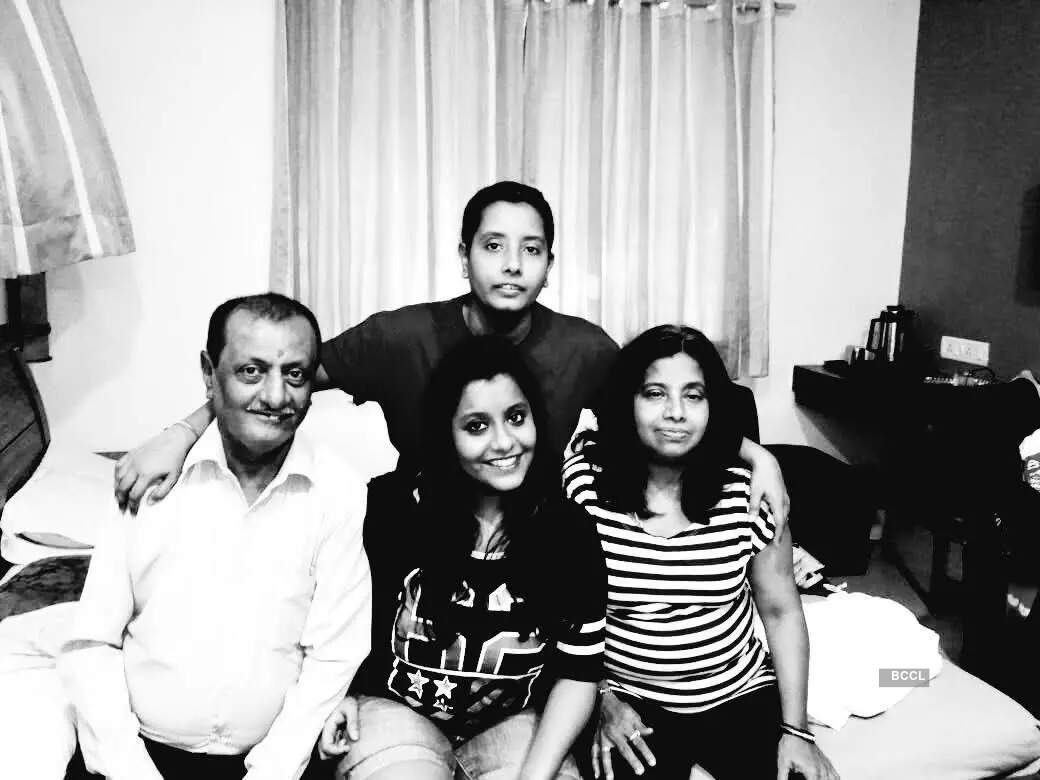
The Vaidya family from Mumbai
Meanwhile, their father– a stroke survivor himself– became their pillar of strength this time. He spent long hours by Mrs Vaidya’s side, motivating and guiding her at each step. “‘I may have survived a stroke, but you’re the real fighter,’ he once teased her. And while mom tried to glare at him, she failed and laughed. It was the first real laugh we had heard in weeks. In that moment, I knew Papa wasn’t just helping Mummy heal; he was bringing her back to life,” Aishwarya shared with tears in her eyes, remembering the moment when things were finally started getting back to the new-normal for them.Caregiving is rarely dramatic. It is repetitive, exhausting, and often invisible. It is measured in sleepless nights, cancelled plans, quiet tears in bathrooms, and whispered encouragements during therapy sessions. It is celebrating little milestones– a smile, a laugh, a completed meal— like precious life moments.Over time, their mother too regained strength and she returned to the kitchen that she loved. Their home slowly stopped feeling like a hospital and began sounding like a home again— music playing, conversations flowing, meals shared with gratitude rather than routine.While nothing returned to “normal”, they built something new— deeper bonds, gratitude to have each other, slower moments, and intentional togetherness. Even now, they protect time to reconnect daily, understanding how fragile life truly is.This is not just a story about illness. It is about what happens when roles reverse and children become caretakers. About daughters who refused to walk away when life demanded everything at once. About the quiet heroism of showing up daily, without applause– after all, not all heroes wear capes, sometimes they are people like us who learn to be courageous in the toughest of times all for their parents and family.“When both our parents suffered strokes, life felt no less than a daily battle. It tested our patience, endurance, and emotional strength. But if there was one thing we had learned from them, it was this— when life knocks you down, you rise stronger. And so, instead of crumbling under the pressure, we faced each challenge head-on,” Aishwarya reflected. While her twin, Apoorva said, “Our parents are our support system. It was time for us to hold them up, no matter what it took.”These incidents were major turning points in Aishwarya Vaidya’s life and to cope with it, she took to putting her thoughts down on paper. “Journaling became my safe space, a place to process the grief, the hope, the fears, and everything in between,” she shared. And now that the storm is over, she has self-published her journey as a book titled ‘From SHADOWS To GLIMMER’, to give hope to others who are also dealing with family health crisis, stroke, or taking care of their ageing parents.
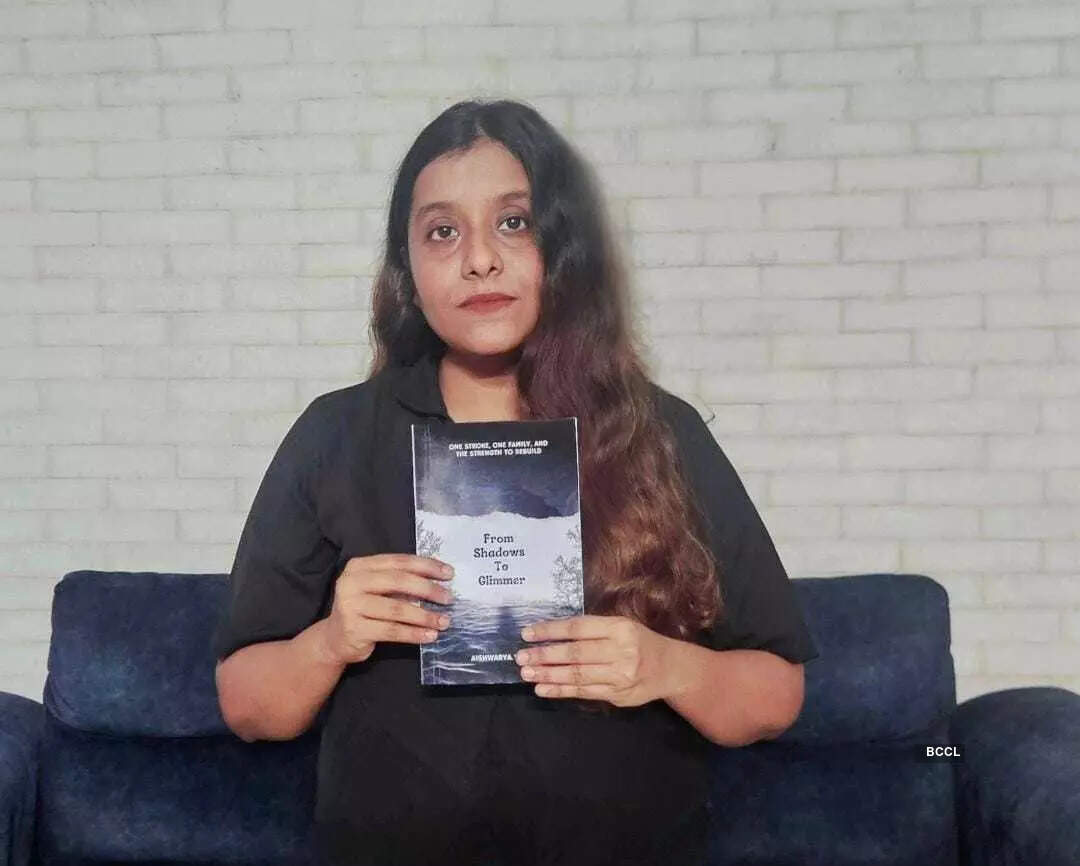
Aishwarya Vaidya with her book
Their story reminds us that strength does not mean never breaking—it means choosing to stand again, together. That ageing parents do not become burdens; they become opportunities to return the love we once received from them in our growing up years. And that, an adversity can either bring families closer or break them under pressure. The choice, however, is always ours as such moments reveals who we truly are.For anyone walking a similar path, this story offers one powerful truth: You don’t need to have all the answers. You just need to stay. To hold on. To love loudly and consistently. And never give up.
About the Author