
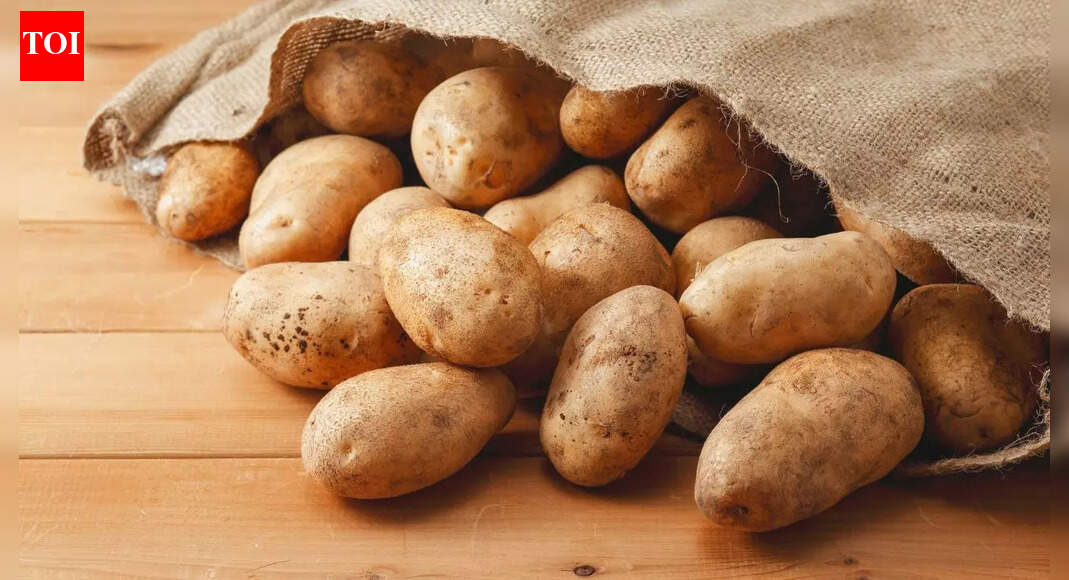
Potatoes rarely get much attention. They sit in kitchen baskets, roll out onto chopping boards, and quietly become part of daily meals. Almost every home uses them without thinking twice. Lately, though, that ease has started to feel misplaced. There is growing talk in markets and on social media about potatoes that look fresh but are not quite natural. Some are believed to be treated with chemicals so they mature faster and stay visually clean for longer. They do not look strange. That is the problem. The concern is not panic but awareness, especially when cooking for children or older family members. Knowing what ends up in the pot has become a small but meaningful question.
How to spot chemically treated potatoes using smell , peel , and water tests
The concern comes from how some vegetables are handled before they reach shops. Potatoes are sometimes treated to speed up growth or improve appearance. This does not always mean they are unsafe, but heavy processing can affect quality. Treated potatoes may look smooth and bright, yet lack the natural density or smell people expect. Over time, repeated exposure to residues is what worries health experts. The risk is not always immediate. It is more about long-term habits. For many households, potatoes are eaten several times a week. Even small changes in how they are produced can matter when added up over the years.
Colour tells you something about a potato
One of the simplest checks starts after cutting the potato. A natural potato usually has a similar tone inside and out. Pale yellow or light cream is common. If the skin looks one way and the inside looks unusually white or slightly grey, it may raise questions. This does not prove anything on its own. Soil type and variety also affect colour. Still, a sharp contrast can be a sign that the potato has been treated or stored unnaturally. It is a small detail, easy to miss, but worth noticing during everyday cooking.
Smell really makes a difference
Smell is often ignored, yet it can be revealing. A natural potato carries a faint earthy scent. It is mild and familiar. If a potato smells sharp, chemical, or simply odd, it deserves caution. This smell may appear stronger when the potato is cut or peeled. Not every unusual smell means danger, but your senses are useful tools. People have relied on them long before labels and packaging existed. Trusting that instinct, even briefly, can help you pause before using something that feels wrong.
The water test
Some people test potatoes by dropping them into water. A dense potato usually sinks. Lighter ones may float or hover. The idea is that heavily treated or altered potatoes can lose density. This method is not perfect, but it is quick. It can be done at home without effort. If a potato floats high and feels unusually light in the hand, it may be worth avoiding. Think of it as one clue among several, not a final answer.
The peel say tells the real story
The peel often tells a quiet story. Natural potato skins are thin and scrape off easily. They feel slightly rough but not hard. Some treated potatoes develop thicker, tougher skins that resist peeling. If the skin feels plastic-like or unusually stiff, that can be a warning sign. Scraping gently with a fingernail can help you notice the difference. It is a small moment of attention in an otherwise routine task.In the end, there is no single test that guarantees certainty. Buying from trusted sellers, choosing local produce when possible, and taking a moment to look, smell, and feel what you cook can go a long way. These are not dramatic acts. Just small habits, repeated quietly.
About the Author