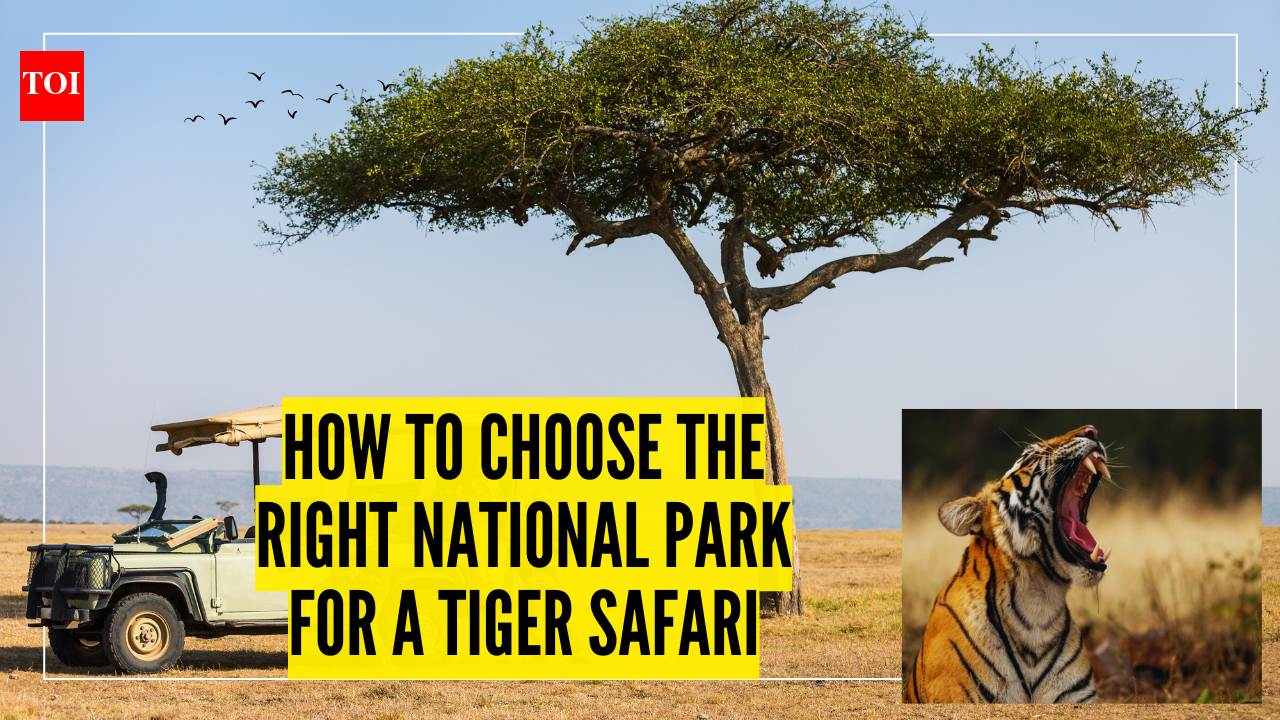

We mostly plan trips based on what we think of a place, not taking into account the reality. Just like, visiting a national park, with the sole purpose of spotting a tiger, and when that doesn’t happen, many get disappointed. India is home to more than 70% of the world’s wild tiger population, and has a range of national parks and tiger reserves across the country that it might not be an easy task to choose the one that suits your requirement. So, how do you choose the right national park for your tiger safari? Here’s a guide to ensure that you make an informed choice.
What do you want from your safari?
Before narrowing down your options, make sure you know what kind of a trip you’re looking for:
High probability of tiger sightings? Well, some parks are statistically better than others.Luxurious comfort or rugged wilderness? This to decide your accommodation preferences.Photography focus? Not all parks are equally photographer-friendly.Off-season travel? Some parks stay open throughout the year, while others close during monsoon. Once priorities are set, filtering options would be an easy task.
Top tiger sanctuaries in India
India’s Project Tiger reserves comprise a wide range of landscapes, from dense sal forests to open grasslands, offering different safari experiences. Some of the popular choices are:
Ranthambore National Park , Rajasthan
This one is best for first-timers, and photographers. It’s indeed one of country’s most iconic tiger reserves, and features rugged terrain. This national park offers excellent sighting probabilities, rest is all up to luck. With its mix of ruins and wildlife, it’s an excellent choice.
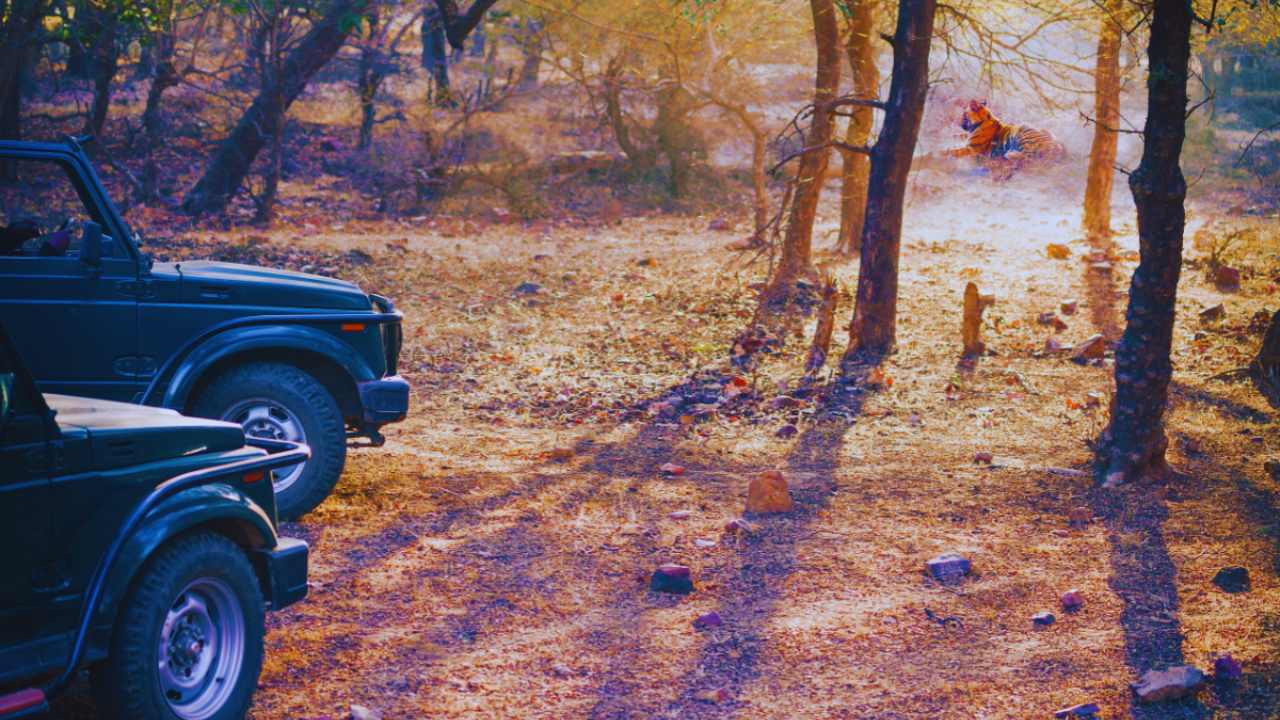
Highlights: High tiger sightings; historic Ranthambore Fort in the backdropBest time: October to June
Bandhavgarh National Park , Madhya Pradesh
This national park is best known for highest tiger density, which increases your chances for sightings naturally. So, if you want to spot a tiger, this park frequently delivers.Highlights: Excellent chance of sightings; diverse habitatsBest time: October to June
Kanha National Park, Madhya Pradesh
It’s beautiful landscapes and biodiversity make it a great spot for wildlife spotting. Kanha is, in fact, ideal for forest and wildlife lovers who love to explore diverse habitats.Highlights: Inspiration for The Jungle Book; stunning flora and faunaBest time: October to June
Jim Corbett National Park, Uttarakhand
The best thing about this national park is year-round accessibility. This means, you can plan a trip to this place any time of the year. Also, thanks to its multiple zones and dense terrain, Corbett is great for tiger sightings as well as viewing other wildlife.
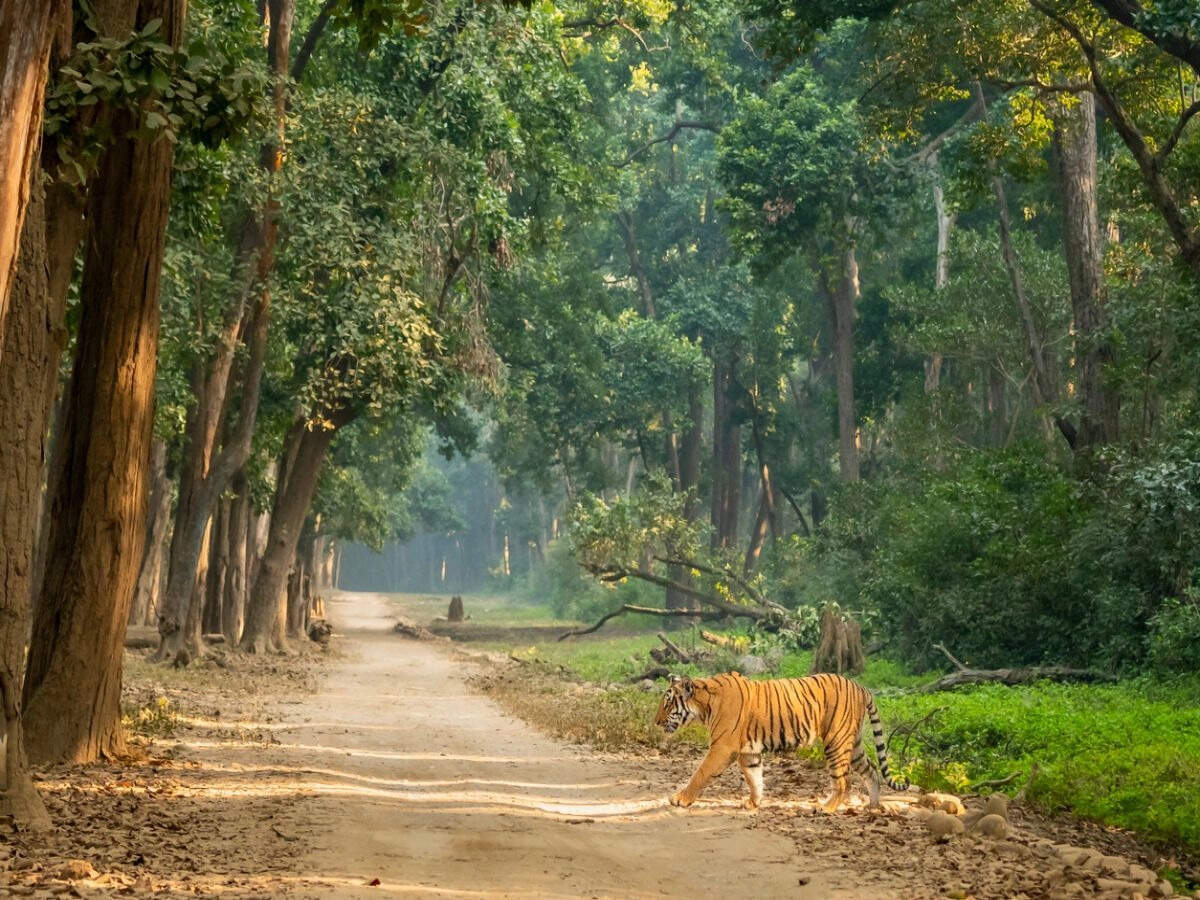
Highlights: It’s India’s first national park, and features rich biodiversityBest time: November to June
Tadoba Andhari Tiger Reserve, Maharashtra
This national park is kind of offbeat, but offers rewarding adventures. Tadoba is also fast becoming a favourite for tiger watchers with steady sightings and fewer crowds than northern parks. Recently, Indian cricket legend, Sachin Tendulkar too visited this place and shared the same on social media. Highlights: Less crowded; consistent tiger sightingsBest time: March to June
When should you visit
Tiger safari experiences differ greatly depending on the season:Winter (Oct–Feb): Peak season, moderate temperatures, optimal visibility.Summer (Mar–Jun): Dry season brings animals to waterholes — great for sightings but hot.Monsoon (Jul–Sep): Heavy rain makes travel difficult; most parks close. Pick dates that suit park opening times and your comfort level with weather and crowds.
Safari type and vehicle comfort
Jeep safari: Open-air, ideal for photographers and small groups.Canter safari: Larger vehicles, suited for groups or zones where required.
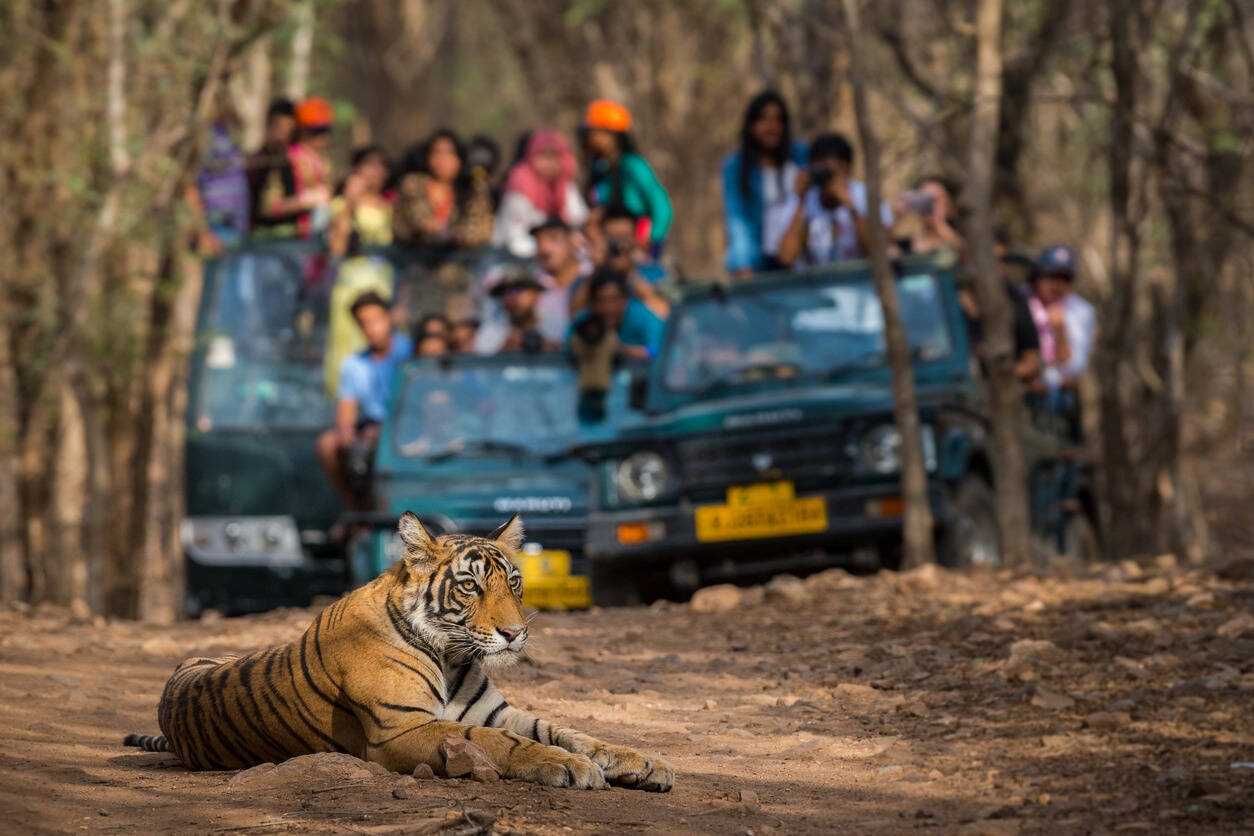
Some national parks, like Kaziranga National Park, also offer elephant safari. For photographers or wildlife enthusiasts, jeep safaris usually offer better angles andfaster movement. Book well in advance, slots fill up quickly during peak seasons.Read more: Watch: Suryakumar Yadav and teammates spotted on a jungle safari at Pench ahead of New Zealand T20 series
Should you opt for guides?
If you thought they are even necessary, think again. This is how they can help transform your safari experience:They help track pugmarks, scat, and movement signs.They comprehend the micro-habitats and animal behavior within the park.Thanks to their local insight, they often come across more rewarding sightings.Make sure your package comes with a trained guide and naturalist.
Type of accommodation and its location
You can opt for luxury lodges that provide comfort, gourmet meals, and more.Then there are eco-cabins and tents that offer a more intimate experience with nature. Staying near the safari gate reduces morning commute time, crucial for early tiger sightings.
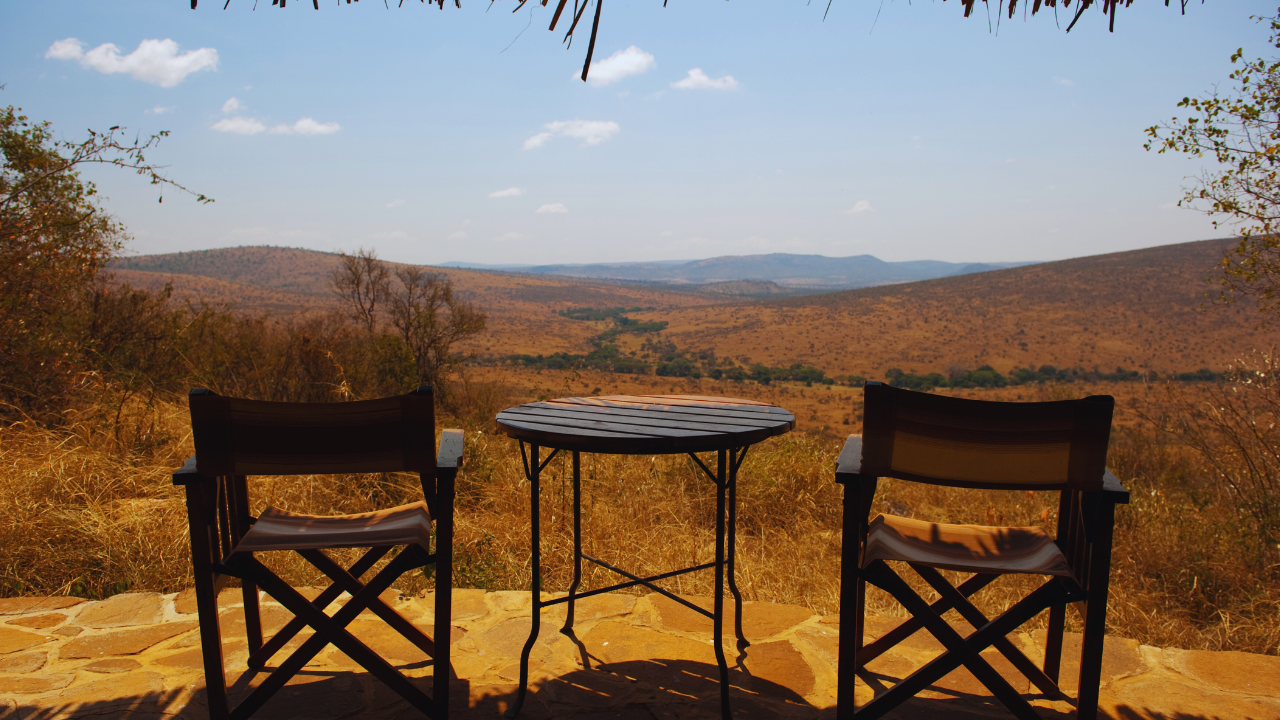
Then hotels of every budget are available near the national parks; pick the one that suits your budget.
Expectation vs. reality
Visit national parks with an open mind. This is because even in parks where tiger densities are high, sightings can’t be guaranteed, and that’s what wilderness is all about. Tigers are elusive, solitary, unpredictable, and difficult to catch sight of. Have patience, and enjoy every bit of the journey as much as the sighting.Read more: US Visa Bond explained: Full list of 38 affected countries, and ports of entry
Local culture and surroundings
Choosing a park near cultural attractions can add depth to your trip, like you can explore forts in Ranthambore, visit tribal art villages near Kanha, opt to visit hill stations around Corbett, and more.A well-rounded itinerary enriches your entire travel experience.No matter which park you choose, a tiger safari is as much about patience and respect for the wild as it is about witnessing the magnificent striped cat. More importantly, you should have your luck by your side!
About the Author