If you’ve ever watched the sun come up in the mountains while your hands slowly turned into ice, you already know this: a good jacket isn’t optional in winter, it’s everything. Whether you’re heading to Himachal for a quick break, trekking in Sikkim, or braving Ladakh in peak winter, the jacket you pack can decide whether the trip is magical or just painfully cold.The problem? Buying a winter jacket is confusing. One minute you’re looking at something “puffy”, the next minute someone throws words like down, fill power, shell, waterproof rating at you. At some point, your brain just shuts down. Been there.So let’s simplify things. No jargon. No sales talk. Just real advice on how to pick a jacket that will actually keep you warm when temperatures drop below zero.
First things first: What does ‘sub-zero’ even mean?
In the Indian context, sub-zero simply means temperatures that fall below 0°C. Places like Gulmarg, Auli, Leh and Spiti hit these numbers regularly, especially after sunset.And here’s something people often forget: even if the temperature says “2°C”, strong winds can make it feel much colder. That icy wind sneaking through your clothes? That’s what ruins the experience. Your jacket needs to block that out completely.1. Don’t fall for looks: Warmth comes firstYes, style matters. But in freezing weather, warmth beats everything else.Most winter jackets use one of two types of insulation:Down jacketsThese are filled with duck or goose feathers. They’re super warm without feeling heavy.Why people love them:Excellent warmth for very cold weatherLight on the bodyEasy to packBut keep in mind:Not great if they get wetUsually cost moreSynthetic JacketsThese use man-made fibres designed to trap heat.Why they’re practical:Stay warm even when dampBetter for snowy or wet placesEasier on the walletDownside:Can feel a bit bulkyFor serious cold, both work well. The trick is choosing based on where you’re going and how wet or dry the weather is likely to be.2. Understand the jacket structure (It matters more than you think)Every winter jacket has two main jobs:The outer layer (Shell)This is what faces the weather. It should block wind, repel water, and stop snow from soaking in.What to look for:Windproof fabric (wind makes cold feel brutal)Water-resistant or waterproof finishThe inner layer (Insulation)This is what actually keeps you warm – down or synthetic fill.A jacket with solid insulation but a weak shell won’t help much. You need both working together.3. Waterproof doesn’t mean optionalA jacket can be warm and still fail you if it gets wet.Snow melts. Mist settles. Light rain happens. And once moisture gets in, warmth goes out.Two things help here:Water resistance or waterproofing to keep moisture outBreathability, so sweat doesn’t get trapped insideYes, sweat matters even in cold weather. Walk uphill for ten minutes and you’ll know exactly what I mean.4. Small details make a big differenceA well-designed jacket quietly does a lot of work for you.Look for things like:An insulated hood – especially useful when wind hits your ears and neck
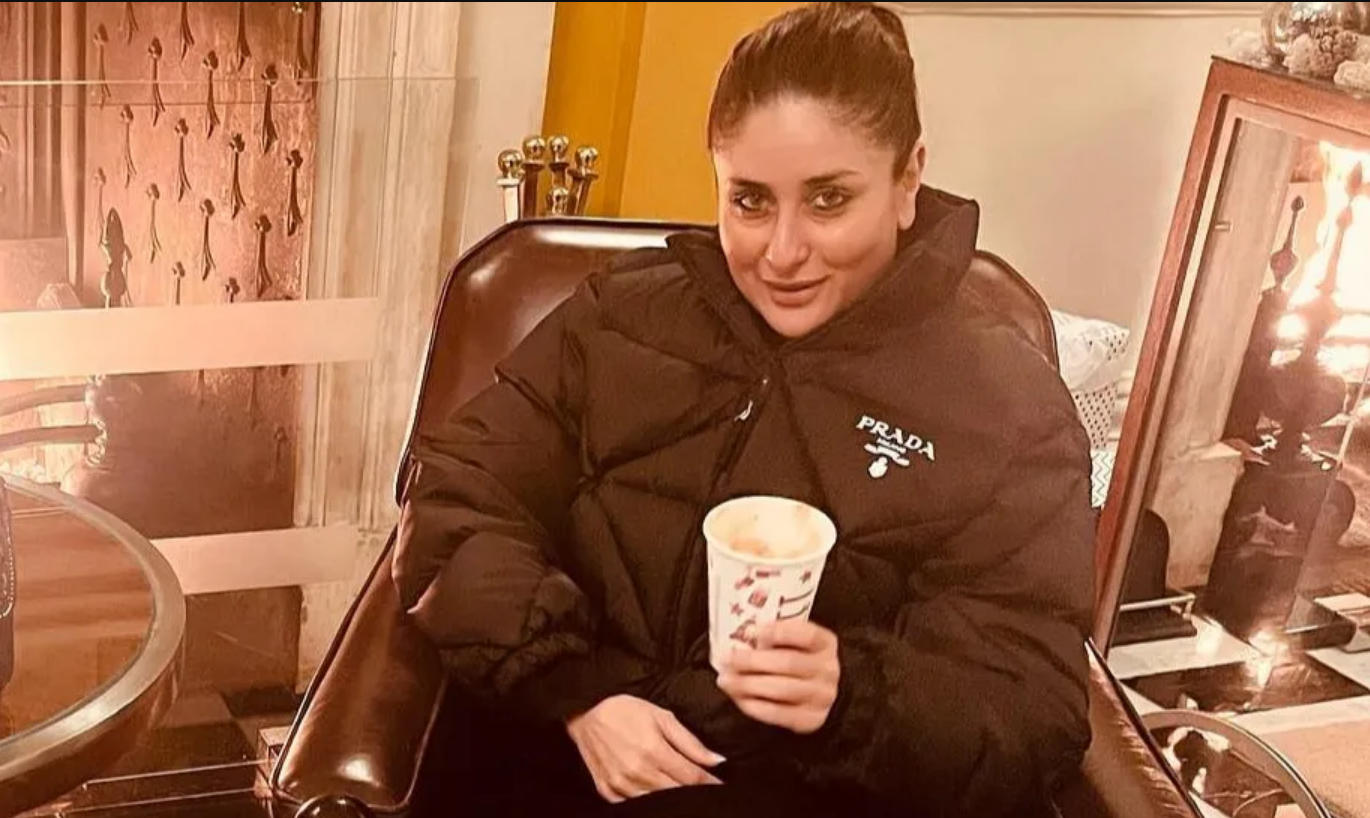
High collar and chin guard – your face will thank youAdjustable cuffs and hems – helps seal warmth insidePlenty of pockets – for gloves, phone, hand warmers, snacksSoft inner lining – adds comfort and extra insulationThese might sound minor, but in freezing weather, they matter more than you think.5. Fit matters more than fashionA jacket can look great on Instagram and still be useless in the cold.Your jacket should:Fit comfortably over thermals and a sweaterLet you move your arms freelyNot feel tight when zipped upNot be so loose that cold air sneaks inAlways imagine wearing it with layers. That’s how it’s meant to be used.6. Remember: Jackets work best with layersNo jacket works alone. Layering is what really keeps you warm.A simple system:Base layer: thermalsMiddle layer: fleece or woolOuter layer: winter jacketThis way, you can adjust as the day changes. Cold morning? Add layers. Sunny afternoon? Remove one. Easy.7. Try it properly before buyingIf you’re in a store, don’t just stand still in front of the mirror.Raise your armsSit downZip it up fullyWalk aroundIf it feels awkward now, it’ll feel worse outdoors.Buying online? Check size charts carefully and always look at the return policy.8. Price matters – But don’t go too cheapWinter jackets in India range from a few thousand rupees to eye-watering prices.Cheap jackets often cut corners on insulation and fabric. That’s fine for mild winters, but not for sub-zero trips.Think of it this way:If a jacket keeps you warm, dry, and comfortable for years, it’s money well spent.9. Take care of it and it’ll lastOnce you find a good jacket, treat it right.Follow wash instructions
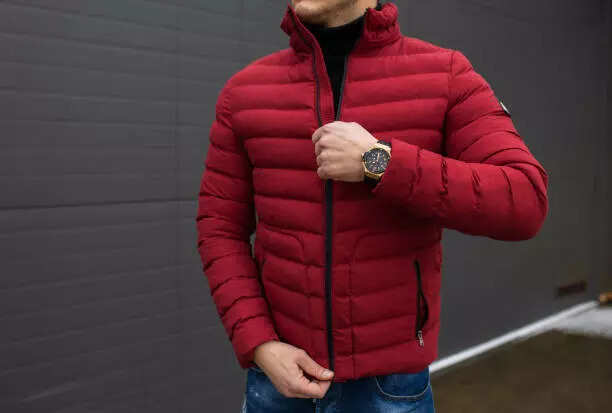
Dry it fully before storingDon’t compress it for long periodsA well-maintained jacket can last many winters and many trips.10. What actually works in Indian wintersQuick guide:Shimla / Manali (peak winter): insulated jacket with water resistanceLadakh / Spiti: heavy insulation, windproof shell, proper hoodAlways pair your jacket with thermals, gloves, woollen cap, and good socks. They complete the system.Buying a jacket for sub-zero temperatures doesn’t have to be stressful. Focus on warmth, protection, and comfort. Layer smartly. Don’t overthink the rest.Because let’s be honest – you didn’t travel all the way to the mountains just to eat breakfast while shivering.Get the jacket right, and winter trips become something you enjoy, not endure.
About the Author