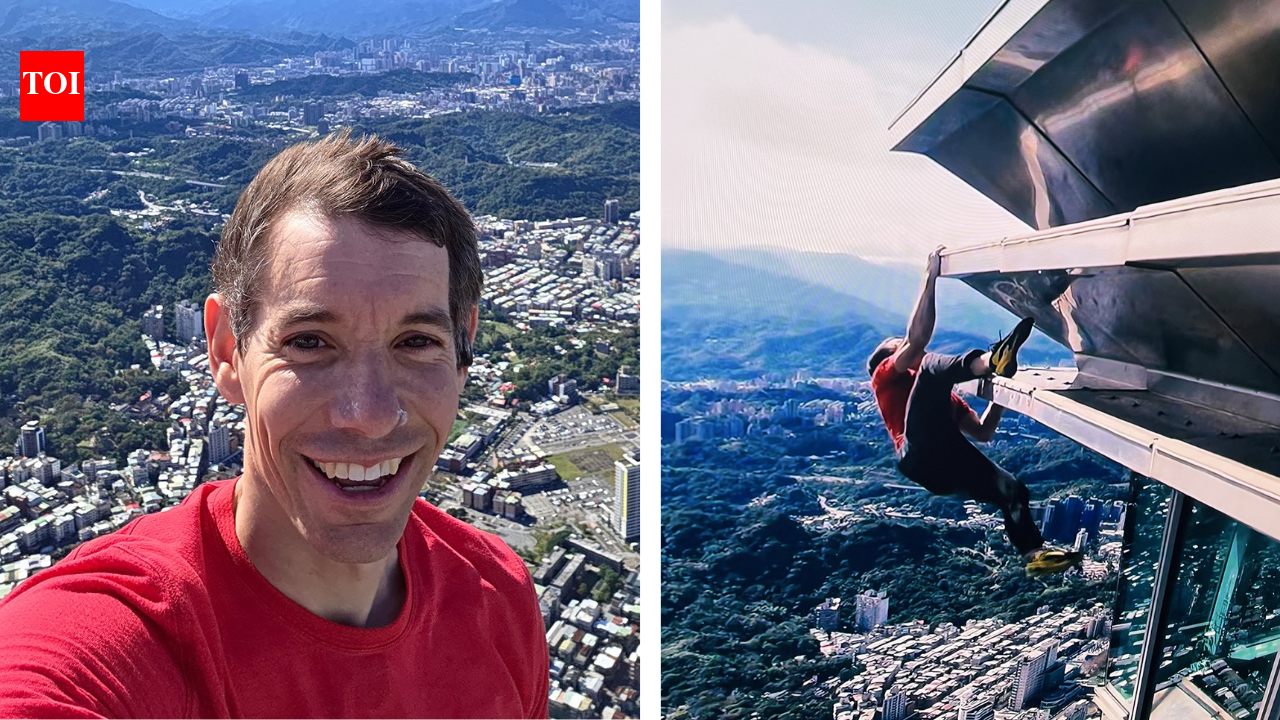
It is not human to scale the massive Taipei 101, but professional climber Alex Honnold did it without ropes or any safety equipment. And he did it in less than 2 hours. On Sunday, the American completed a free solo ascent of the 508-metre skyscraper in Taipei, becoming the first person to climb the building without safety equipment. The climb was carried out in clear weather and was watched live by crowds below and broadcast internationally on Netflix. For many, the most frequently asked question was: how does Honnold stay calm in situations where a single mistake would mean certain death?Scientists have tried to answer that question before. In 2016, Honnold took part in a neurological study at the Medical University of South Carolina, where researchers used functional MRI scans to examine how his brain responds to fear. And the results came out striking.The study focused on the amygdala, the part of the brain that processes fear and threat. When most people are shown disturbing or frightening images, this region shows strong activity. In Honnold’s case, researchers found that his amygdala showed very little response, even when exposed to images designed to provoke fear or jumpscares. In comparison tests, another control subject’s amygdala reacted vigorously, while Honnold’s remained largely inactive.
About the Author