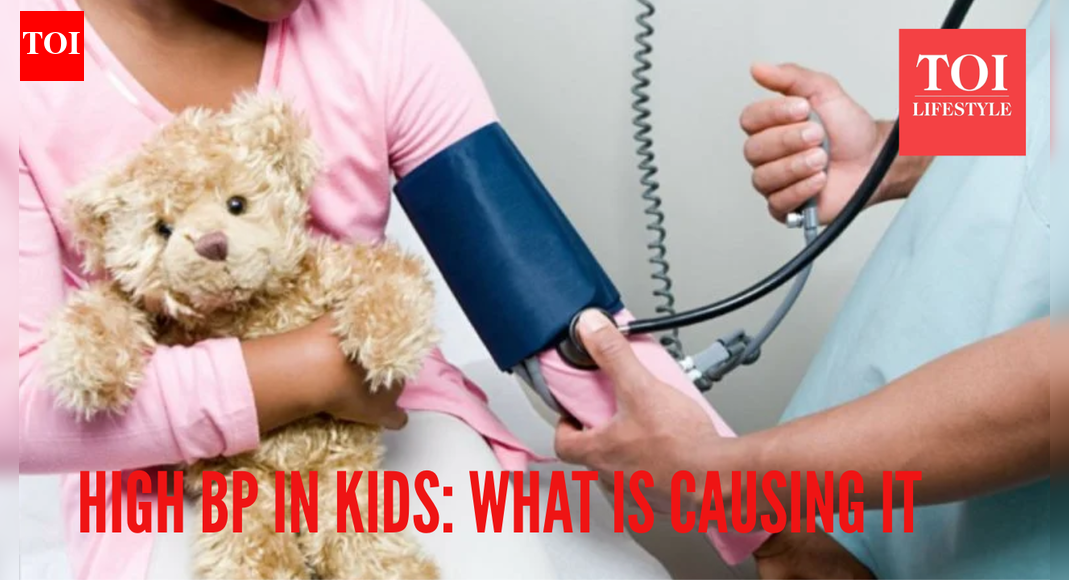
High blood pressure (BP) in kids is rising fast, with UK cases doubling in recent years due to obesity, junk food diets, and less playtime. This condition, fairly common in adults, is known as the “silent killer” because it displays no noticeable symptoms in its initial stages. However, kids who notice headaches and fatigue before symptoms appear can prevent the disease from causing permanent damage to their heart, kidneys, brain and eyes. Parents need to monitor their children because standard GP screenings fail to detect this condition which now affects 3-5% of British children-a higher rate than ten years ago-and primarily affects teenagers due to their lifestyle choices. The good news however, is that young hearts and vessels can achieve complete damage reversal through early action, which includes dietary modifications, physical activity and medical treatment when necessary.Why cases are doubling in the UKThe number of children with high blood pressure has increased because kids now consume more processed foods, which contain high amounts of salt, fat and added sugars. According to health surveys, obesity rates increased twofold between 2010 and 2020, with obesity affecting one in five children in the population. When children develop extra belly fat, starting at age 10, the body begins producing chemicals that cause artery stiffness and heart strain. Kids who eat few vegetables and spend more than two hours daily watching screens, or have a family history of genetic conditions face higher risks of developing this condition. Premature birth and low birth weight status create an increased risk for future health problems in newborns.Primary HypertensionThe school-age population now experiences primary hypertension (lifestyle-driven) as their leading condition, but toddlers frequently develop kidney problems, thyroid disorders and coarctation issues that remain undetected. The condition leads to left ventricle thickening which appears by age 12, and artery plaques that develop during the teenage years, thus creating conditions for premature strokes and diabetes. School fruit programs operated by public health organizations provide some benefits, but parents remain the primary force creating changes in their children’s eating habits at home.
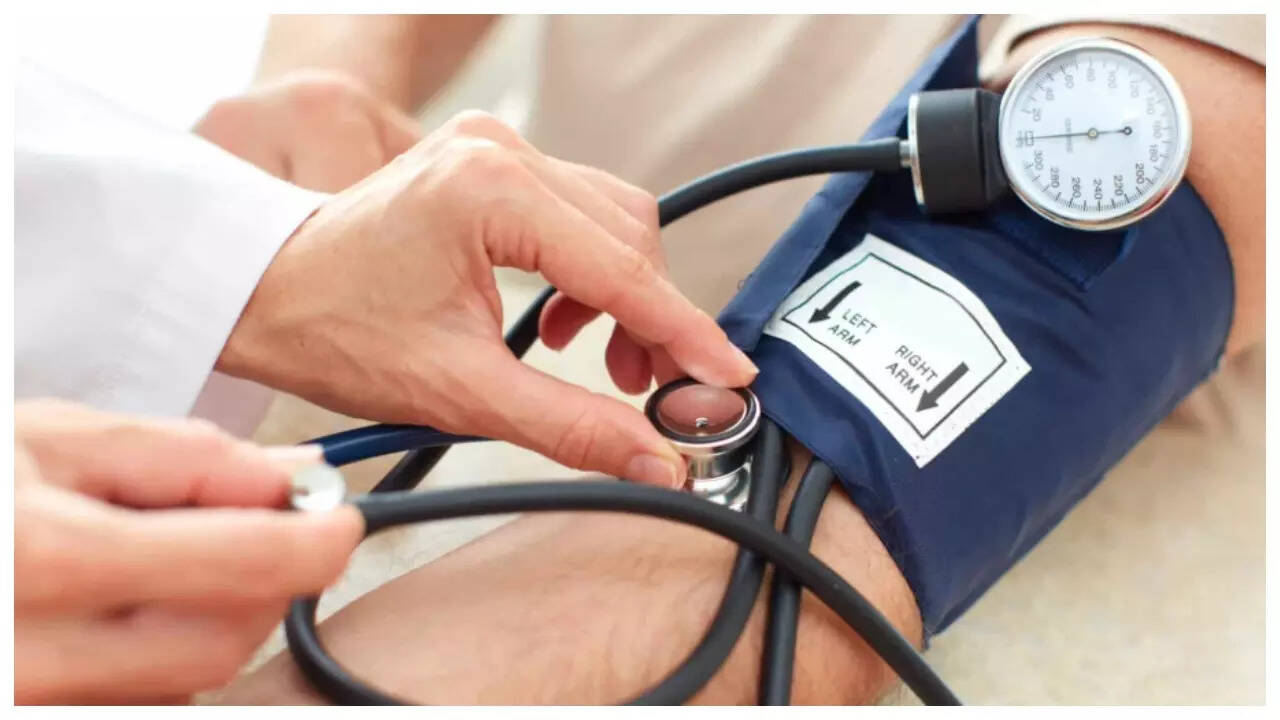
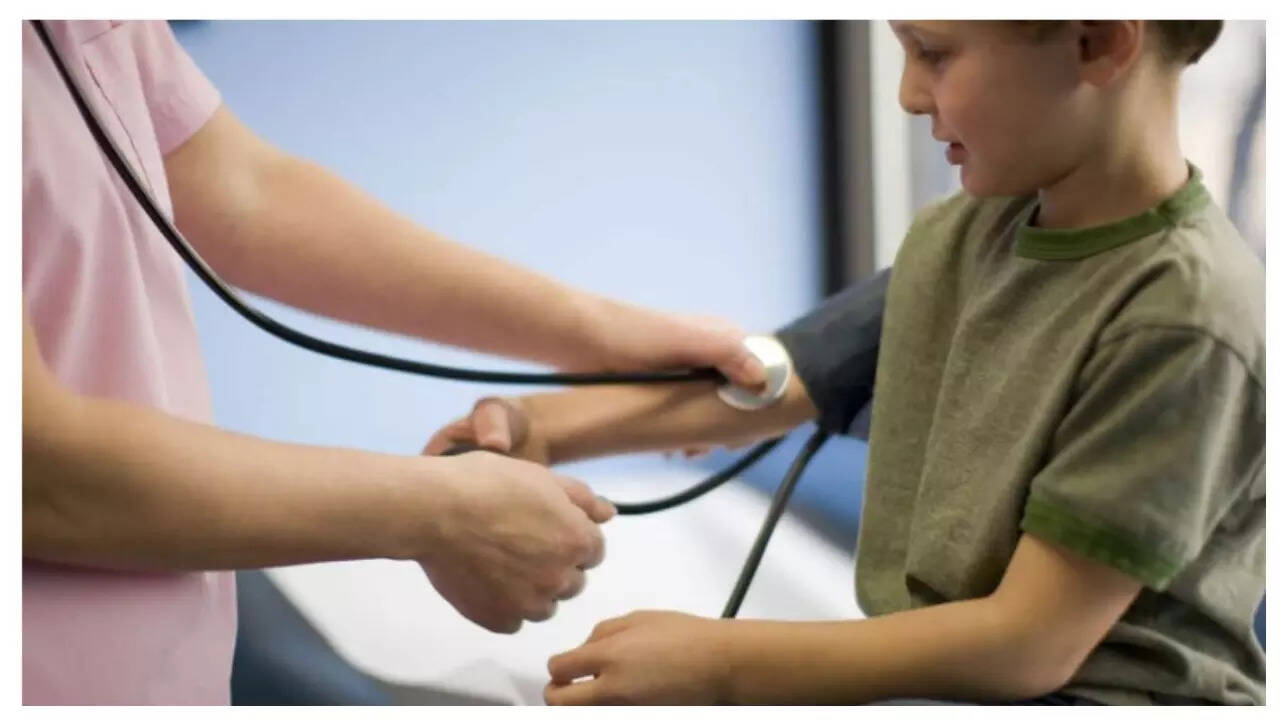
No symptoms? The silent trapChildren with high blood pressure usually show no symptoms while continuing their daily activities of playing and eating, allowing their condition to cause progressive harm. The American Academy of Pediatrics (AAP) and UK NICE recommend annual arm blood pressure checks for children starting at age 3, using charts that show measurements based on age, height, and sex. The measurement process requires two tests for children who show blood pressure levels above the 90th percentile, followed by a hypertension confirmation test at the 95th percentile. The screening process should occur at every visit because risk flags include overweight BMI, and three other conditions: parental high BP, diabetes in the family, snoring and migraines. The correct cuff size must be used for blood pressure screening for children. Home digital monitors track trends and 24-hour ambulatory tests allow doctors to confirm whether blood pressure readings result from actual medical conditions or from “white coat” anxiety. The medical team uses urine tests, blood tests and echo scans, to identify the underlying causes of the condition.Frequent headaches as first clueRecurring headaches, such as morning headaches and post-play headaches, indicate that brain blood vessels and nerves experience stress from pressure. Children often wake up feeling irritable and touch their heads, and some experience stomach problems that lead them to seek immediate blood pressure testing. This method detects 20-30% of cases in their early stages according to pediatric reviews. Severe high blood pressure damages the retina, resulting in vision problems including blurred vision and spots that fundoscopy can detect before other symptoms appear.Fatigue and poor sleepBecause the heart encounters resistance, it must generate additional force for each heartbeat, leading to exhaustion despite sufficient rest. Doctors diagnose “growing pains” in children who show delayed sports development, irregular sleep patterns and irritable behavior. The presence of obstructive sleep apnea (OSA) which occurs when fat builds up in the neck or when tonsils become enlarged, leads to elevated blood pressure during nighttime hours. The condition causes patients to experience three main symptoms: loud snoring, periods of breathing interruption, bedwetting and excessive daytime sleepiness. An ENT check is needed. The presence of OSA doubles the hypertension risk in obese children, who benefit from CPAP treatment or surgical intervention.
Nosebleeds and dizzinessThe occurrence of unexplained nosebleeds which produce gushes from the back of the nose, results from fragile blood vessels experiencing excessive tension. The body experiences dizziness when standing up quickly due to poor vessel tone control, which also causes spinning during athletic games. A blood pressure difference exceeding 20 mmHg between the arm and leg indicates that the aorta has started to narrow (coarctation). The treatment for mild cases includes hydration and salt reduction.Breathing issues or chest painThe left heart chamber shows signs of stress when the patient develops wheezing or puffing during light physical exercises. The left heart chamber shows signs of stress because fluid has accumulated in the lungs. The presence of chest tightness or a fluttering heartbeat during rest, indicates an immediate medical emergency, as it could suggest either a heart crisis or myocarditis.Growth or face changesThe body shows three warning signs: short stature, fast weight accumulation and a circular face shape. These indicate kidney failure through protein leakage and Cushing’s hormone elevation, which causes blood pressure to rise. The presence of belly whooshes (bruits) or faint leg pulses indicates vascular blockages. Routine eye exams show whether patients have narrowing blood vessels or are experiencing vessel leaks.Prevention and parent checksReduce your child’s daily salt intake to less than 2 gramsStop sugary drinks at allGet your child to do at least one hour of any physical activity every day. Children who lose 5% of their body weight will experience a systolic blood pressure reading decrease of 5-10 mmHg.Disclaimer: This article is informational only and not a substitute for medical advice
About the Author