
India’s cultural and linguistic diversity does not just shape its festivals, food, or traditions, it is also reflected in the very names of its states. Many state names draw from local languages, while others trace their roots to Sanskrit, ancient kingdoms, regional landscapes, ruling dynasties, and centuries-old cultural identities. Here is a clear look at how the names of these states originated.
Himachal Pradesh
The name comes from Sanskrit: Hima means ‘snow,’ and achal means mountain, land, or abode, making Himachal Pradesh the ‘Home of Snowy Mountains.’
Punjab
Its name is of Persian origin, which blends two words — Punj (five) and ab (water) — referring to the land of five rivers.
Uttarakhand
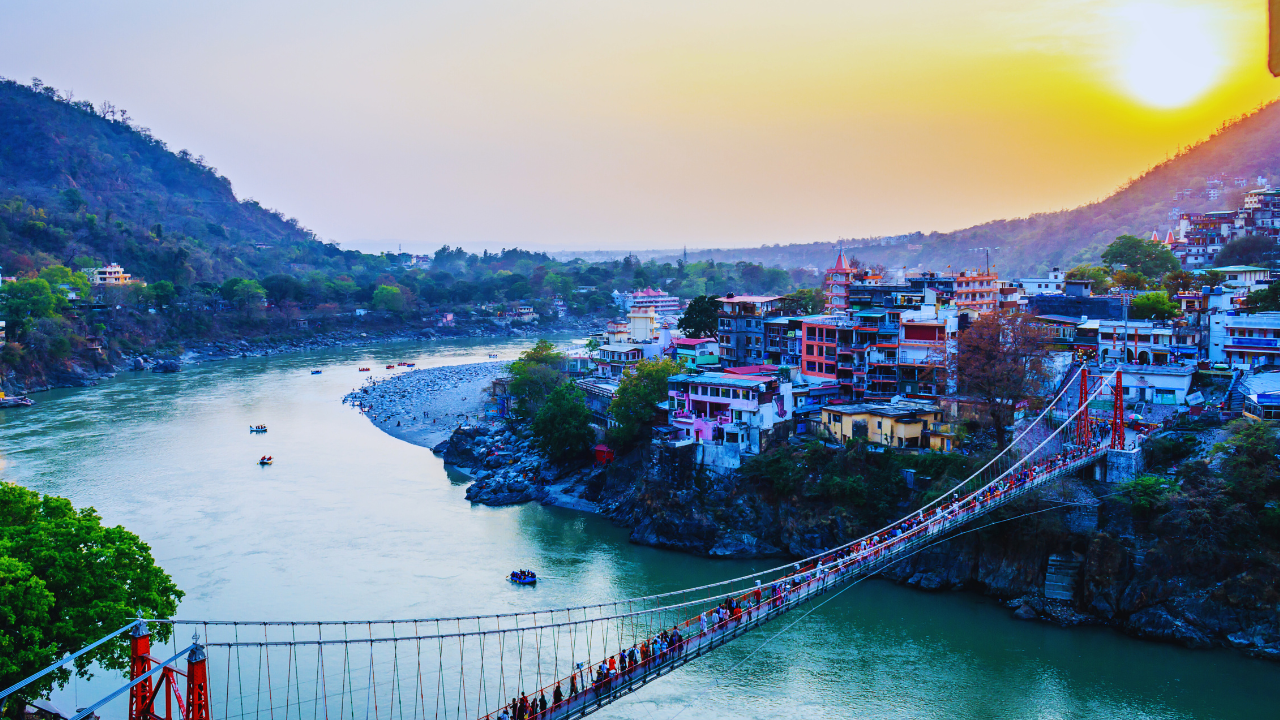
Carved out of Uttar Pradesh in 2000 as Uttaranchal, meaning Northern Mountains. It was later renamed Uttarakhand, meaning Northern Land, derived from the Sanskrit word uttara, meaning ‘north’, and khanda meaning section or part.
Haryana
Some anthropologists link the word “Haryana” to the post-Mahabharata period, when the Ābhiras, noted for their agricultural talents, are thought to have settled in the region. Historian Pran Nath Chopra says that the word evolved over time from Ābhirāyana (from ābhira, “Abhira,” and ayana, “path”) to Ahirāyana, finally becoming Hariyānā or Haryana.Read more: 5 places in India that look completely different at 6 AM and 6 PM
Uttar Pradesh
The literal breakdown is straightforward: Uttar means north, and Pradesh means province—thus “Northern Province.”
Rajasthan
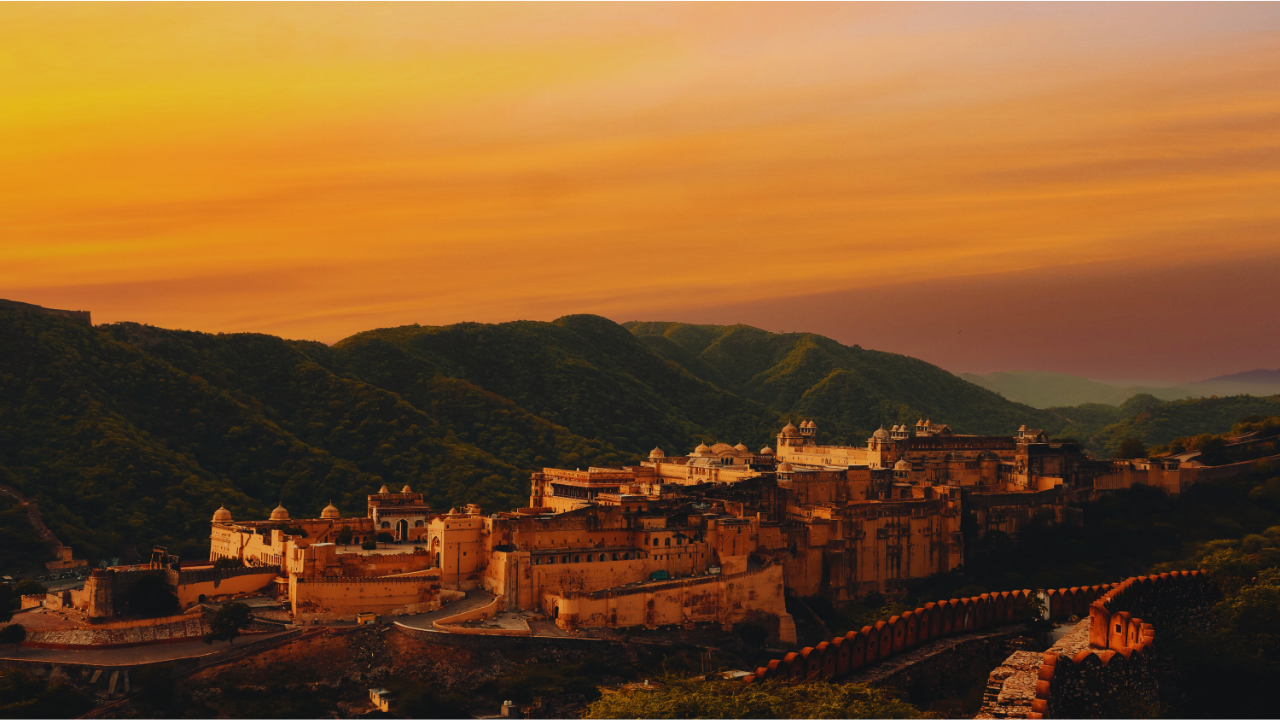
Rajasthan translates to “Land of Kings,” formed from the Sanskrit rājā (king) and sthāna (land), a structure also mirrored in the Persian st(h)ān. The name’s first known printed use appears in the 1829 work Annals and Antiquities of Rajasthan. By contrast, “Rajputana” is documented earlier, with its earliest known reference found in George Thomas’s 1800 memoir Military Memories.
Bihar
Bihar gets its name from the Sanskrit–Pali word vihāra, meaning “abode,” a term commonly used for Buddhist monasteries. The region once had numerous vihāras, which gave the state its name.
West Bengal
The origin of the name Bengal (Bangla/Bongo) is unknown. One idea relates it to “Bang,” a Dravidian tribe who colonised the area circa 1000 BCE. Although the early history of the area is still unknown, another theory proposes that it originates from Vanga (or Banga), an early kingdom recorded in ancient Sanskrit writings.
Jharkhand
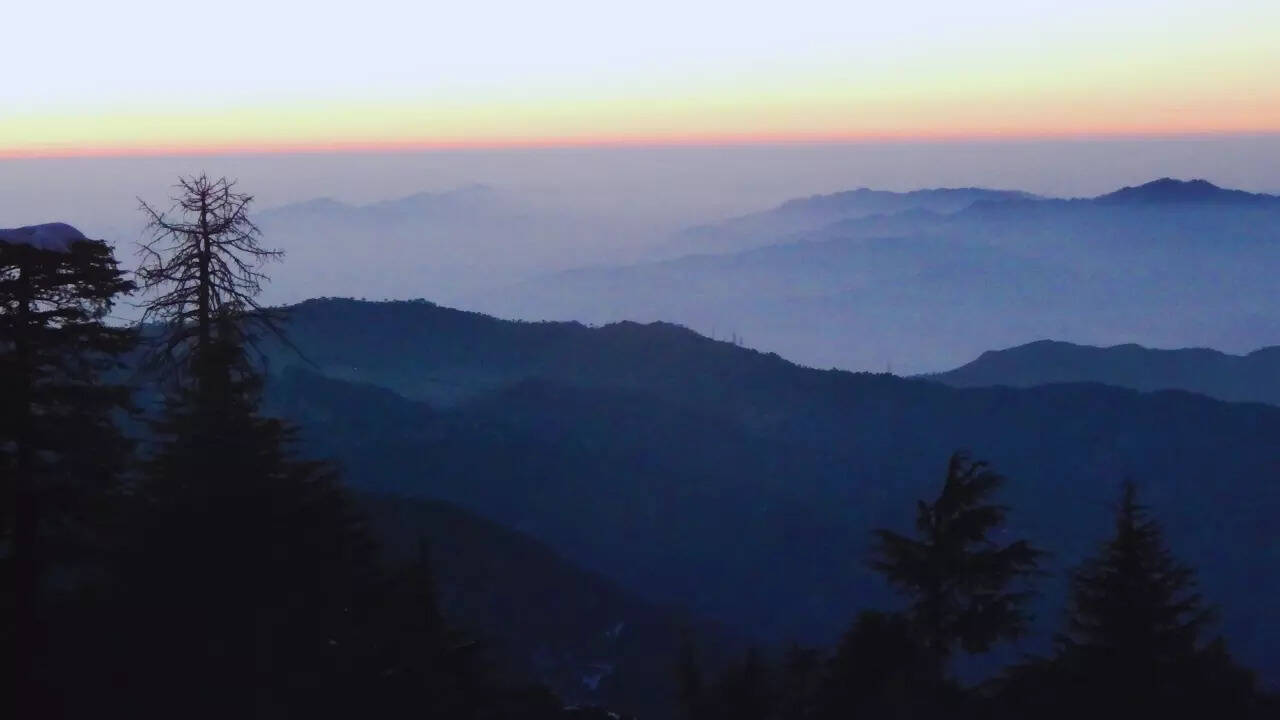
Jharkhand comes from “Jhar” (forest) and “Khand” (land), meaning “land of forests.” In ancient texts like the Mahabharata, the region was mentioned as Kark Khand because it lay near the Tropic of Cancer, and also as Ark Khand.
Sikkim
Sikkim likely comes from the Limbu words su (“new”) and khyim (“palace” or “house”).In Tibetan, it is called Drenjong, meaning “valley of rice,” and the Bhutias refer to it as Beyul Demazong, meaning “the hidden valley of rice.”Read more: Delhi–Dehradun Expressway update: Trial runs begin on 32-km Delhi–Baghpat route
Arunachal Pradesh
Arunachal Pradesh means “Land of the Dawn-Lit Mountains” in Sanskrit, a name given when the state was formed. Before 1972, the region was known as the North-East Frontier Agency (NEFA).
Assam
The exact origin of the name Assam is uncertain, but it is widely linked to the Ahom people, who were originally known as Shyam (Shan).
Odisha
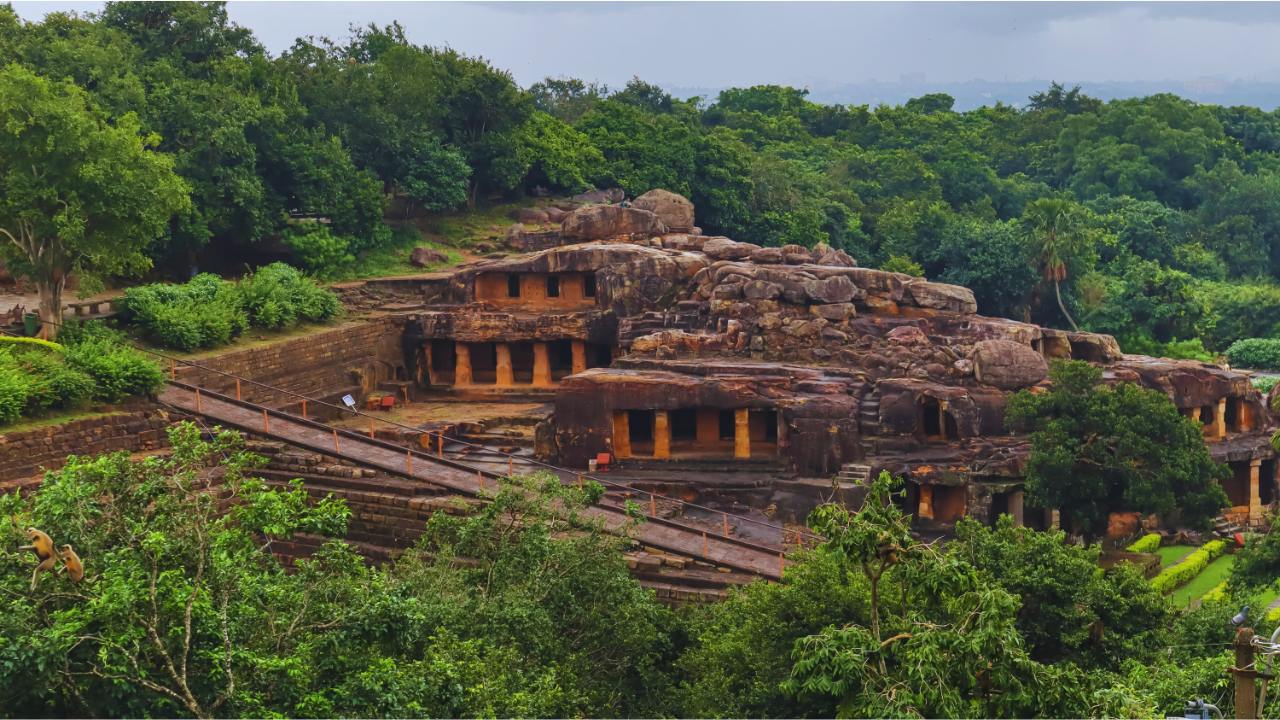
Odisha/Orissa stems from the ancient Prakrit phrase “Odda Visaya” (also Udra/Odra Bibhasha), mentioned in a 1025 inscription of Rajendra Chola I. By the 15th century, Sarala Das referred to the province as Odra Rashtra, and inscriptions of the Gajapati king Kapilendra Deva also used the nameOdisha.
Mizoram
Mizoram comes from the words Mizo (Mi = “person,” Zo = often linked to “highland” or “cool”) and ram (“land”), meaning “land of the Mizo people.”
Meghalaya
Meghalaya comes from the Sanskrit words megha (“cloud”) and ālaya (“abode”), meaning “abode of clouds.”
Manipur
Manipur, meaning “city of jewels,” was named by Gharib Nawaz in the 18th century, and the name also appears in the Mahabharata.
Nagaland
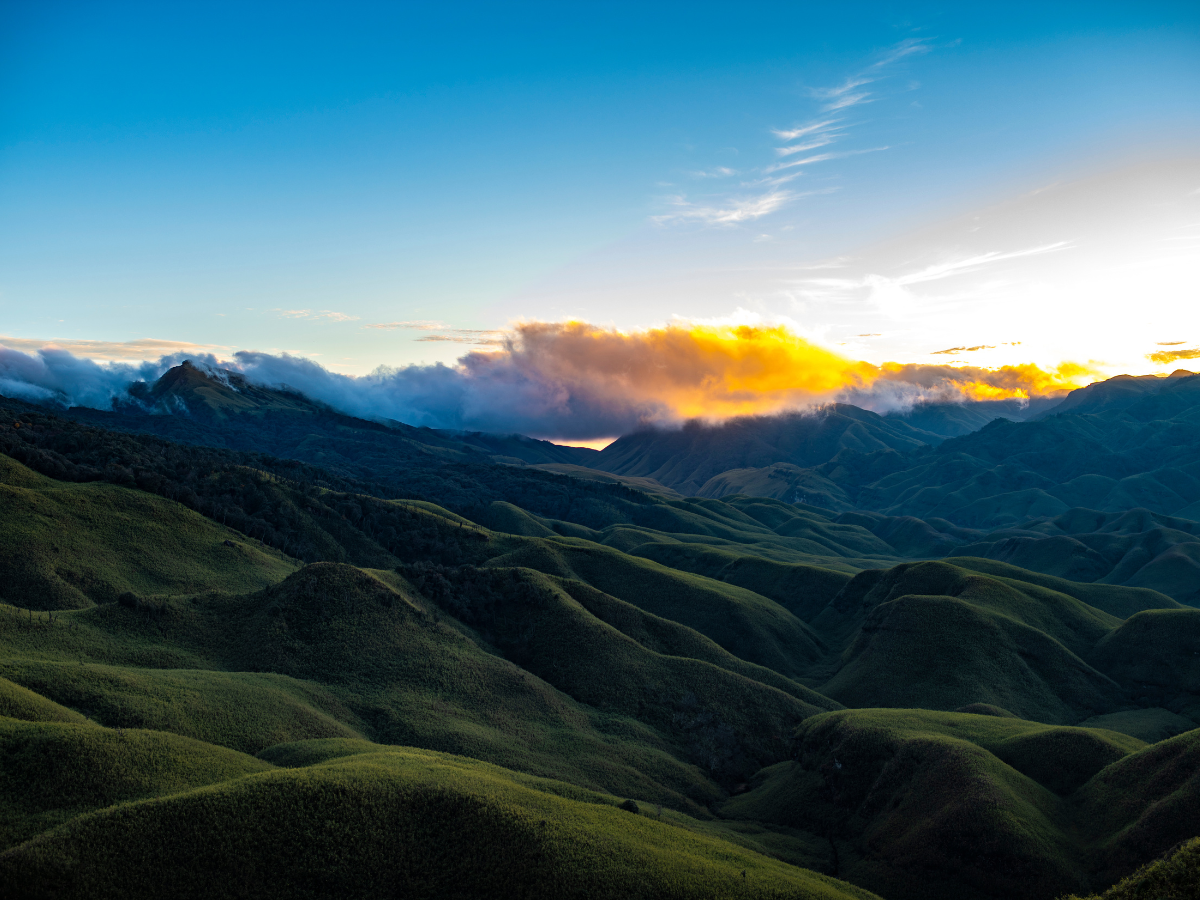
It’s unclear where the term “Naga” originated. Historical records reveal multiple names—“Noga/Naka” in Ahom sources (“naked”), “Hao” in Meitei usage, and “Nakas/Naga” in Burmese (“people with earrings” or potentially “pierced noses”). Some cultural organisations now support renaming the state Naganchi since Nakanchi/Naganchi become an endonym over time.
Tripura
Tripura is associated to the Hindu goddess Tripura Sundari and the mythological ruler Tripur, a descendant of Druhyu of the Lunar Dynasty. According to other interpretations, the name derives from the Kokborok terms tüi, which means “water,” and pra, which means “near,” signifying the area’s historical closeness to the sea. Variants that relate to the indigenous people include Tuipura, Tippera, and Tipra.
Chhattisgarh
Chhattisgarh is believed to mean “land of 36 forts” (chhattis = thirty-six, garh = fort).
Madhya Pradesh
Madhya Pradesh comes from Sanskrit madhya (“central”) and pradeś (“province”), meaning “central province.”
Maharashtra
Pre-independence writers suggested that “Maharashtra” means “the land of Mahars,” a community found across the region, as noted by Irawati Karve. The modern Marathi language evolved from Maharashtri Prakrit, and the term Marhatta—later associated with the Marathas—appears in Jain Maharashtrian texts. Maharashtra, Maharashtrian, Marathi, and Maratha likely share the same root, though their exact etymology remains uncertain.
Gujarat
Gujarat is named after the Gurjaras, who ruled the region in the 8th–9th centuries CE. Parts of present-day Gujarat and Rajasthan were historically called Gurjarat or Gurjarabhumi.
Karnataka
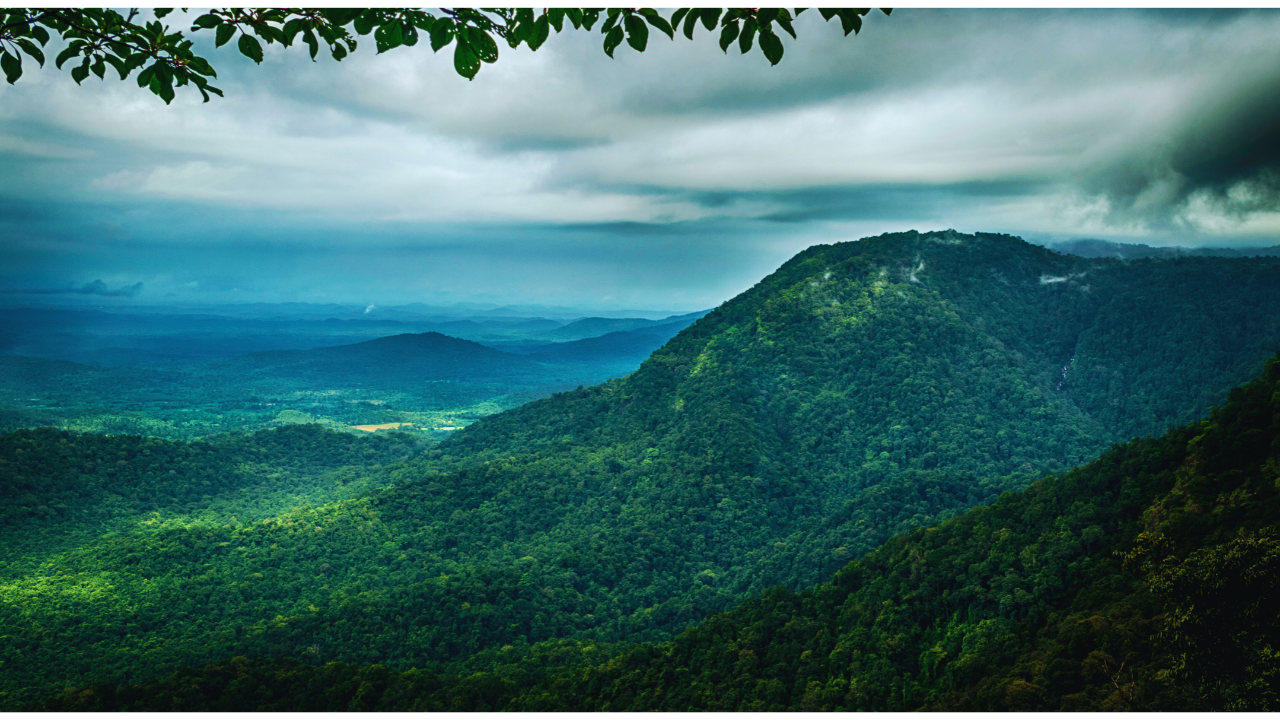
Karnataka is generally believed to come from the Kannada words karu and nādu, meaning “elevated land.” It may also refer to “karu” (black) + “nādu” (region), highlighting the black cotton soil of the Bayalu Seeme region.
Goa
The origin of Goa is unclear. In ancient texts, it was called Gomanchala, Gopakapattana, Gopakapuri, Govapuri, Govem, and Gomantak, with other historical names including Sindapur, Sandabur, and Mahassapatam.
Tamil Nadu
“Land of the Tamils” is what Tamil Nadu means (nadu = land). It’s unclear where the word “Tamil” originated. Tolkāppiyam describes the boundaries of Tamilakam, which in ancient Sangam literature referred to modern-day Tamil Nadu, Kerala, and portions of Karnataka and Andhra Pradesh. Later literature like Cilappatikaram and Ramavataram identify Tamil Nadu as the region’s name.
Telangana
The name Telangana is popularly believed to come from Trilinga desha (“land of three lingas”), referring to the Shaivite shrines at Kaleshwaram, Srisailam, and Draksharama. Historian Jayadheer Tirumala Rao suggests a Gondi origin, from “Telangadh” meaning “south,” recorded in Gond script around 2,000 years ago.
Andhra Pradesh
Andhras are mentioned in the Aitareya Brahmana (c. 800–500 BCE) as descendants of sage Vishvamitra and were described as non-Aryans on the fringes of Aryan settlements. The Satavahana rulers are referred to in Puranic texts as Andhra, Andhrara-jateeya, and Andhrabhrtya. The region they inhabited was called Andhradesa.
Kerala
Kerala first appears as Keralaputo (“son of Chera[s]”) in a 3rd-century BCE Ashoka inscription. The name may derive from Chera/Cera, the ancient Kerala dynasty, with possible meanings from Old Tamil like cheral (“lake”), cherive-alam (“hill slope”), or chera alam (“land of the Cheras”). A folk etymology interprets it as kera (“coconut tree”) + alam (“land”), meaning “land of coconuts.” The region was also called Malabar in foreign trade and Male by Arab sailors from the 6th century CE.
About the Author