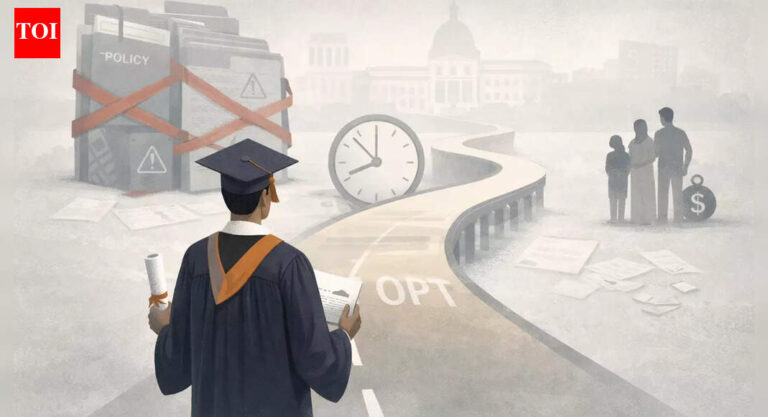
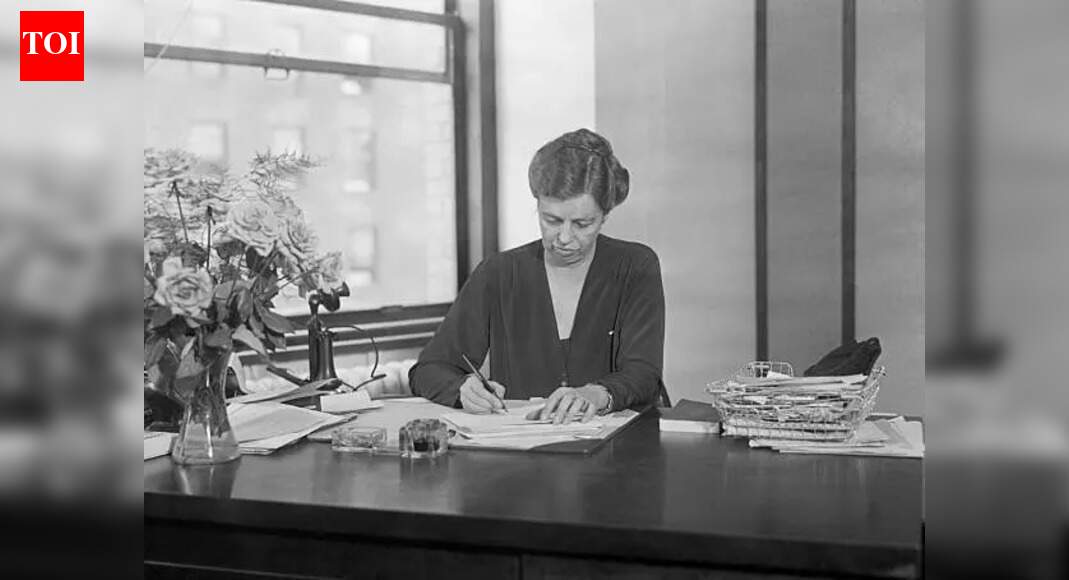

The headlines often focus on the number of layoffs and the idea that robots might replace humans. Few realize that young professionals behind the screens are reading all of this. In the humdrum of artificial intelligence, our dreams, the very fuel of our souls, seem to be submerged. Gone are the days when every beautifully penned paragraph received applause, and every animation sparked intrigue. Now, the conversation revolves around a single question: AI or no AI? Here we are, in 2026.Yet, as the saying goes, hope lies in literature. The lines that were once carefully crafted can still inspire, providing the motivation we need in life. Take, for instance, a line by Eleanor Roosevelt, the longest-serving First Lady of the United States: “The future belongs to those who believe in the beauty of their dreams.” This was not merely a slogan but a mantra, a lived experience. Refusing to remain ornamental, she stepped into politics, challenged injustice, and redefined leadership, for women and for public life itself. Her authority did not come from position alone; it came from conviction. She believed deeply in her mission, even when that belief carried personal cost.This quote will linger forever, particularly for students and early-career professionals striving to navigate a world that demands certainty far too early.
Dreams without belief are fragile
Many students dream ambitiously: Top universities, meaningful work, and leadership roles. But the academic system often trains them to be cautious. Grades, rankings, and placements reward predictability. Over time, ambition is quietly edited down to what feels “safe.”Roosevelt’s words draw a sharp distinction: dreaming is common; believing is rare. If youbelieve in your dream, then you are bound to take action. It is necessary to show up after rejection, continuing after failure, staying the course when progress is slow or invisible.
Belief builds resilience, not certainty
Roosevelt did not promise smooth roads. Belief does not guarantee success; it builds resilience. It helps individuals interpret setbacks not as failures, but as part of a journey.For students this mindset leads to disappointment. A rejected application, a failed exam, or an internship that doesn’t convert is not the end of the road. Every trouble adds to our strength and makes us better. In the same way, professionals facing layoffs, no promotion, or career stagnation can derive. Even Roosevelt was no stranger to criticism, opposition, and setbacks in her personal life. Still, her belief in the ideas she was fighting for gaveFear or belief is always the choice when it comes to career decisions. Among the common fears are those of uncertainty of the future, not being able to keep up with the peer group, and the fear of letting the family down. Talent in such cases is sometimes misdirected to…Through her words, Roosevelt went one step further and asked a tough question: Do you actually trust the future you are paving for yourself?
Choosing belief over fear
Career decisions are engulfed with various apprehensions. Some fear instability, falling behind peers, and fear of disappointing family. This pressure can push talented individuals toward paths that look impressive but don’t inspire them.Roosevelt’s message asks a harder question: Do you believe in the future you are working toward? Not whether it impresses others, but whether you trust it enough to invest years of effort.
Why this quote matters today
Students today step into a world that is rapidly changing due to technological innovations, has unstable job markets, and is constantly comparing people. A career path is no longer a straight line; a person’s skills change, the industries change, and one’s plans have to be changed quite often.In that kind of environment, conviction is a steadying force. Not trust in the only result, but trust in the capability of oneself to learn, adapt, and make a meaningful contribution over time. To workers, it gives them the confidence to evaluate, change direction, or completely rework their career paths when their love or sense of mission declines.
About the Author