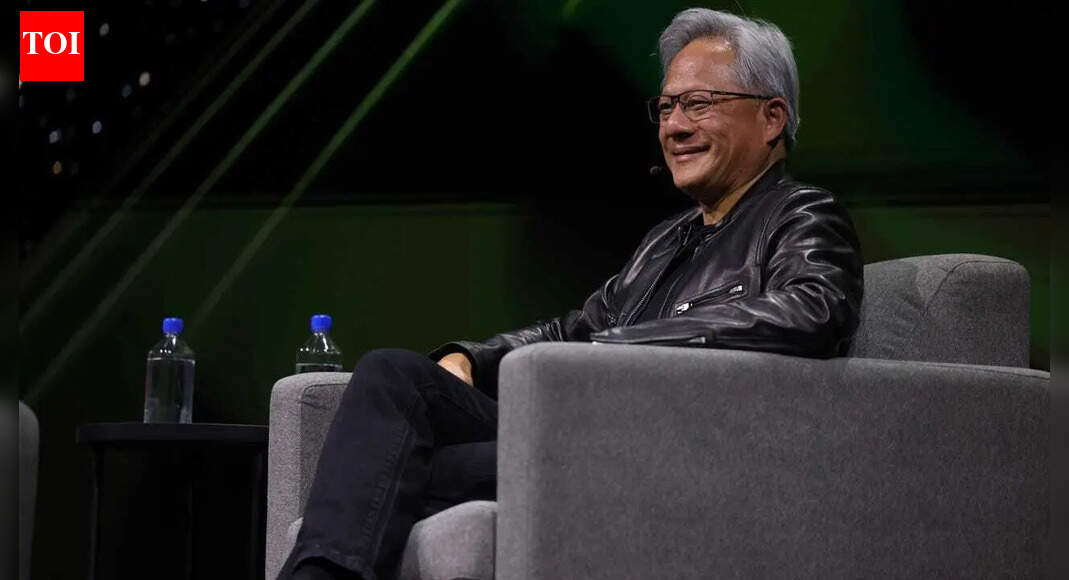
Just as Nvidia ramped up production to meet what CEO Jensen Huang called “quite high” demand for H200 chips in China, Beijing has tapped the brakes. The Chinese government has asked domestic tech companies to temporarily halt orders for Nvidia’s H200 AI chips while regulators work out the terms of approval, according to The Information. The directive comes as China weighs whether-and how-to permit imports of the advanced processors, balancing needs for top-tier AI hardware against its push for semiconductor self-reliance.The pause appears designed to prevent a last-minute buying spree before Beijing finalizes its position. Chinese officials are still deciding how many domestically produced chips companies will need to purchase alongside each H200 order, Reuters reported, citing sources familiar with the matter. Bloomberg separately reported that China plans to approve some H200 imports as soon as this quarter for select commercial use, signaling that access may come with strings attached rather than an outright ban.
Nvidia hedges its bets with strict payment terms
Nvidia isn’t taking chances. The chipmaker is requiring full upfront payment from Chinese customers ordering H200 chips—with no refunds, cancellations, or configuration changes allowed after purchase, Reuters reported. The unusually strict terms reflect the uncertainty around whether Beijing will actually greenlight the shipments. In special cases, customers can substitute commercial insurance or asset collateral for cash, but the policy is far stricter than Nvidia’s previous practice of allowing deposits instead of full payment.The company has reason to be cautious. Last year, Nvidia wrote down $5.5 billion in inventory after the Trump administration abruptly banned sales of the H20 chip to China. While the U.S. has since reversed course and approved H200 exports—with a 25% fee payable to the U.S. government—China banned the H20 entirely. By demanding payment in advance, Nvidia transfers financial risk to its customers, which makes them commit capital without knowing for certain that they can import or deploy the technology.
China’s mixed signals on AI chip independence
Beijing’s hesitation underlines a broader tension in its tech policy. Chinese companies have ordered over 2 million H200 chips at roughly 27,000 dollars apiece, significantly outpacing Nvidia’s current stock of just 700,000 units. The H200 delivers approximately six times the performance of the now-blocked H20 and significantly outpaces domestic rivals such as Huawei’s Ascend 910C. Yet China is simultaneously preparing up to $70 billion in incentives to prop up its local chipmaking industry, underscoring its commitment to reducing reliance on foreign suppliers.Huang said Tuesday he doesn’t expect a formal announcement from China about approval. “If the purchase orders come, it’s because they’re able to place purchase orders,” he told reporters at CES. For now, Chinese tech giants and Nvidia alike are waiting to see whether those orders will actually go through.
About the Author