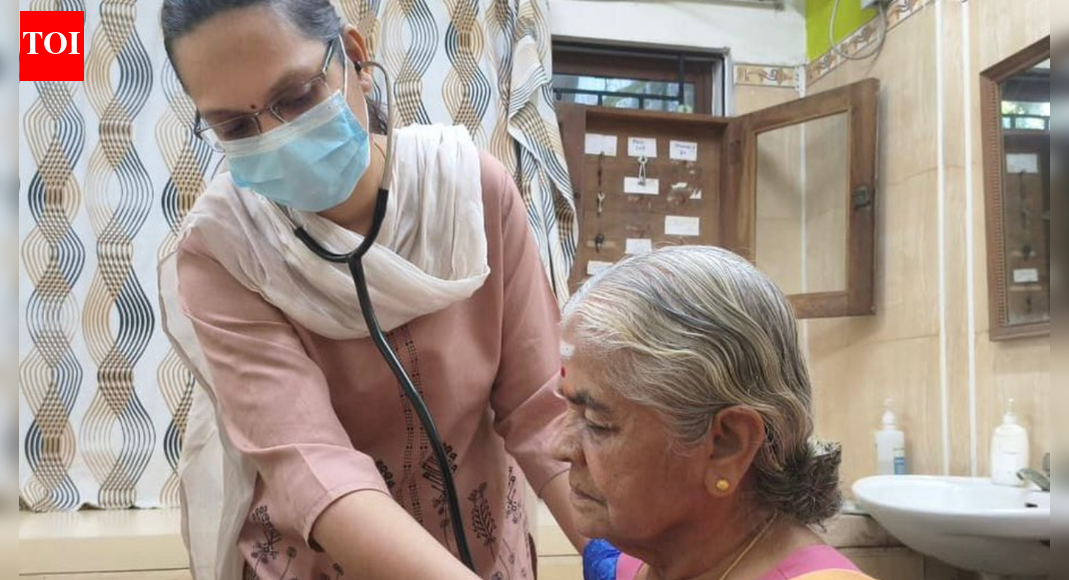
Representative image (Source: X/@MoHFW_INDIA)
NEW DELHI: The Central Government Health Scheme (CGHS), which provides healthcare services to lakhs of government employees, pensioners and their families, is operating with a significant shortage of staff across its allopathic and AYUSH dispensaries, the Union Health Ministry informed the Rajya Sabha on Tuesday. In a written reply, the government revealed that more than 2,000 posts in allopathic dispensaries and over 100 posts in AYUSH units remain vacant, raising concerns over service delivery in one of the country’s largest healthcare networks.According to the ministry, CGHS allopathic dispensaries have a sanctioned strength of 6,630 posts, but only 4,590 are currently filled, leaving 2,040 posts vacant. The situation is similar in AYUSH facilities, where 107 of the 425 sanctioned posts remain unfilled. The data shows gaps across all levels of staffing. In the crucial Group A category, which includes doctors, 402 allopathy posts and 33 AYUSH posts are lying vacant. Group B non-gazetted positions also show shortages, with 276 allopathic posts vacant. The most acute gaps are in Group C—the largest workforce segment comprising paramedical and support staff—where 1,362 allopathic posts and 74 AYUSH posts are unfilled.The government said that recruitment of doctors is carried out through the Union Public Service Commission’s Combined Medical Services Examination based on vacancies reported by CGHS. Recruitment for Group B and Group C positions is handled by the Staff Selection Commission. However, the reply did not indicate the timeframe within which the pending vacancies would be filled or whether special measures are being planned to speed up hiring.The disclosure comes at a time when CGHS dispensaries in major cities frequently struggle with long queues, limited manpower and rising patient load. The persistent vacancies, especially in frontline and paramedical roles, are expected to intensify pressure on the system unless addressed promptly. For thousands of beneficiaries dependent on CGHS for essential outpatient care and medicines, staffing shortages continue to translate into longer waits and uneven access to services.
About the Author