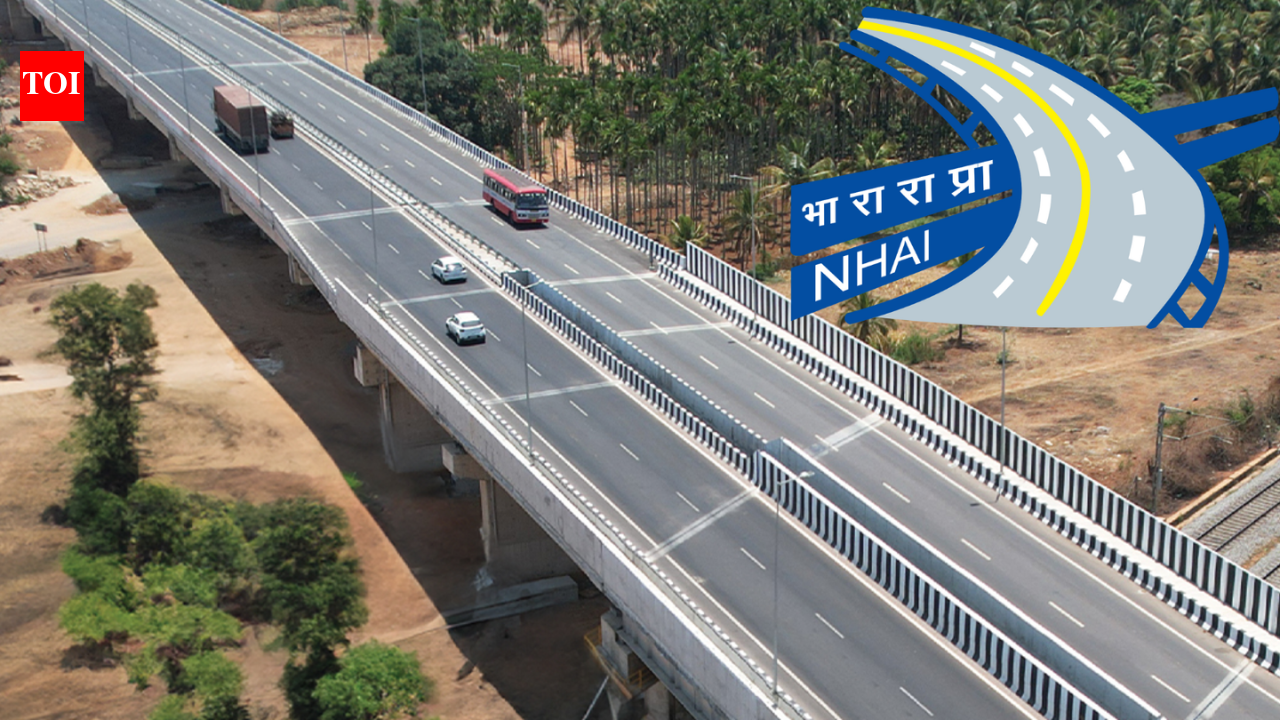
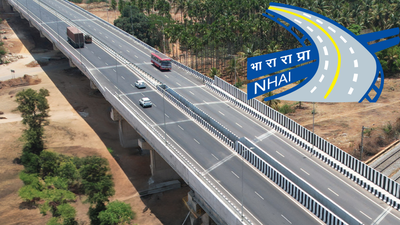
As attention turns to Budget 2026, the ministry of road transport and highways (MoRTH) stands out as one of the government’s most consistently backed infrastructure arms, with allocations for roadways rising sharply over the past five years.Budgetary support for the sector has nearly tripled since FY21. From Rs 99,159 crore in FY21, allocations increased to Rs 1,23,551 crore in FY22 before jumping to Rs 2,17,089 crore in FY23. The upward trend continued in FY24 at Rs 2,75,986 crore and Rs 2,80,519 crore in FY25 (Revised Estimates). For FY26, the Budget Estimates place the outlay at Rs 2,87,333 crore, underlining roads as a central pillar of capital expenditure-led growth.This funding push has coincided with a rapid expansion of India’s national highway network, which has grown by about 61% over the past decade to 1,46,560 km. The focus has shifted beyond just length to quality, with a surge in access-controlled expressways and four-lane-and-above highways. Operational high-speed corridors and expressways have expanded dramatically, while wider highways now form a much larger share of the network.Looking ahead, MoRTH has lined up a 13,400-km pipeline of projects to be developed under the public-private partnership (PPP) model over the next three years, involving an estimated investment of Rs 8.3 lakh crore. Asset monetisation remains a parallel strategy, with highways being bundled under models such as Toll-Operate-Transfer and InvIT structures. The proposed Raajmarg InvIT is expected to bring operational stretches to the market to unlock fresh capital.Yet, challenges persist. Slower project approvals, land acquisition requirements, including the norm of 80% land in hand before work begins, quality concerns, cost overruns and contractual disputes continue to weigh on execution.Against this backdrop, expectations from Budget 2026 include faster approval mechanisms through an umbrella framework, sustained capital expenditure and a clearer roadmap for monetisation.
About the Author