

Swara Bhaskar shared a heartfelt note on Instagram after her father-in-law suffered a sudden brain haemorrhage and required urgent surgery early in the morning. She and her husband, Fahad Ahmad, are currently by his side and have asked well-wishers to keep him in their prayers.A moment like this shakes any family. It also brings attention to a medical condition that needs quick action and clear understanding. Here is a simple look at what a brain haemorrhage means, how doctors treat it, and what families can expect in the days that follow.
What exactly is a brain haemorrhage?
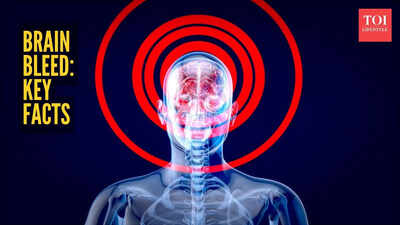
A brain haemorrhage is a type of stroke caused by bleeding within or around the brain tissue. According to the NHS and NINDS, this bleeding happens when a blood vessel bursts due to reasons like long-standing high blood pressure, a weak vessel wall, a sudden head injury, or abnormalities in blood vessels.The bleeding builds pressure inside the skull. The brain sits in a closed, rigid space, so even small amounts of blood can disturb how nerve cells work. That is why symptoms come fast and generally without warning.

Image credit: Swara Bhasker x.com/Instagram
How doctors identify it within minutes
A brain haemorrhage is a medical emergency. Hospitals follow a tight protocol.Any stroke guideline recommends:
- Immediate CT scan to confirm bleeding
- Blood tests to check clotting factors
- Neurological checks to assess alertness, speech, and movement
Doctors act quickly because time saved means function saved. In many cases, specialised teams handle everything in the first hour, from confirming the diagnosis to preparing the patient for surgery if needed.
When is surgery needed?
Not every brain haemorrhage requires surgery, but urgent cases do.According to NINDS and NHS guidelines, surgery may be needed when:
- The bleeding is large
- Pressure inside the skull increases
- A blood clot (haematoma) needs to be removed
- The bleeding affects areas critical for breathing or consciousness
The goal of surgery is simple but crucial: relieve pressure, remove trapped blood, and prevent further damage.This is why families, like Swara Bhaskar’s, share minimal updates during such hours. The first few days after surgery are critical, and doctors watch the patient closely for changes.
What happens after surgery
Post-surgery care focuses on stabilising the brain. NHS and CDC-derived clinical steps include:
- Managing blood pressure
- Preventing swelling
- Monitoring breathing
- Checking for infection
- Ensuring proper oxygen supply
Patients may be kept sedated for some time, allowing the brain to rest and heal.
How recovery usually progresses
Recovery is never the same for two people, but government health guidance outlines common phases:
- First week: stabilisation and management of complications
- Next few weeks: starting physiotherapy, speech therapy, or occupational therapy
- Later months: regaining strength, balance, memory, and independence
Many patients improve gradually. Some may live with long-term effects, while others recover most of their earlier abilities depending on the bleed location and how fast treatment began.Families often play an emotional and practical role, remembering small gains, celebrating progress, and staying patient through slow days.Disclaimer: This article is for general awareness only. It is based on information from recognised government health organisations such as the NHS, CDC, and NINDS. It should not replace medical advice. Anyone experiencing symptoms of stroke or head injury should seek emergency medical care immediately.
About the Author