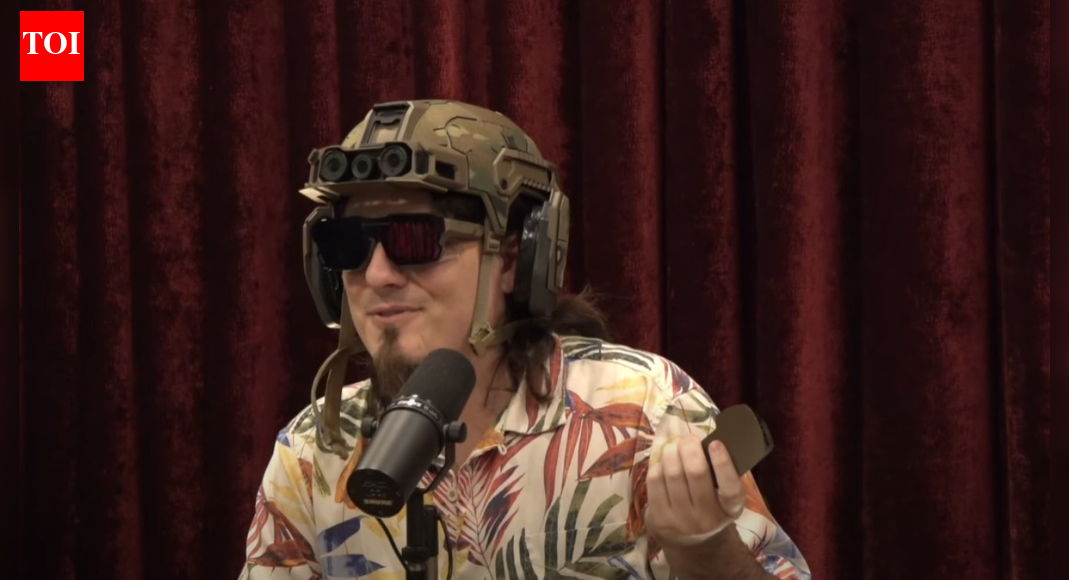

Palmer Luckey, cofounder of defense technology startup Anduril, has issued a stark warning about California’s proposed billionaire wealth tax, cautioning that the measure could force entrepreneurs to sell major stakes in their companies and potentially face home seizures and wage garnishments if they cannot pay the hefty bill. The Anduril executive warned founders could end up “screwed for life” if market downturns or wartime restrictions prevent them from liquidating assets to cover the tax liability.The warning comes as California’s proposed wealth tax—which would impose a one-time 5% levy on residents worth over $1 billion—continues sparking intense backlash from Silicon Valley’s tech elite. The measure, which requires signature gathering before reaching the November 2026 ballot, has already prompted billionaires Peter Thiel and Larry Page to explore leaving the state, according to recent reports.
California’s tax could trigger forced asset sales and double taxation nightmares
Luckey’s concerns center on the practical challenges of paying billions in taxes when wealth is tied up in illiquid company stakes. He argued the tax would force founders to sell significant portions of their companies to generate cash for “fraud, waste, and political favors for the organizations pushing this ballot initiative.”The Anduril cofounder painted a grim scenario where entrepreneurs unable to produce billions in cash could face aggressive state collection actions. “One market correction, nationalization event, or prohibition of divestiture (not at all uncommon during wartime) and I am screwed for life,” Luckey posted on social media platform X.Figma CEO Dylan Field echoed similar worries, noting founders and early employees caught by the tax couldn’t use company stock to satisfy the obligation. Combined with potential capital gains taxes, entrepreneurs could face a “double tax event” that devastates their financial position.
Silicon Valley founders warn tax will trigger startup exodus from California
Field also highlighted cascading consequences for struggling startups. Founders still owing wealth taxes after unsuccessful years might be forced into “down rounds” that lower company valuations, making it harder to attract talent and investment capital, or take out potentially unrepayable loans.The tax has divided California’s political landscape. Democratic Representative Ro Khanna, representing Silicon Valley, dismissed concerns that a “1% per-year tax” would discourage innovation, arguing public investment built the AI industry and entrepreneurs are drawn to the region’s talent pool. Khanna stated the tax addresses extreme wealth concentration while 70% of Americans believe the American dream is dead.However, critics argue the measure represents government overreach. Dave Friedberg, CEO of Ohalo Genetics, called it “organized government seizure of private property” from citizens who already pay combined taxes totaling 53% in California. Y Combinator CEO Garry Tan warned the tax would trigger a “stampede of unicorns” fleeing California for other states.The healthcare union backing the measure estimates it could raise $100 billion from approximately 200 billionaires to offset federal Medicaid cuts. California Governor Gavin Newsom has publicly opposed the wealth tax proposal.
About the Author