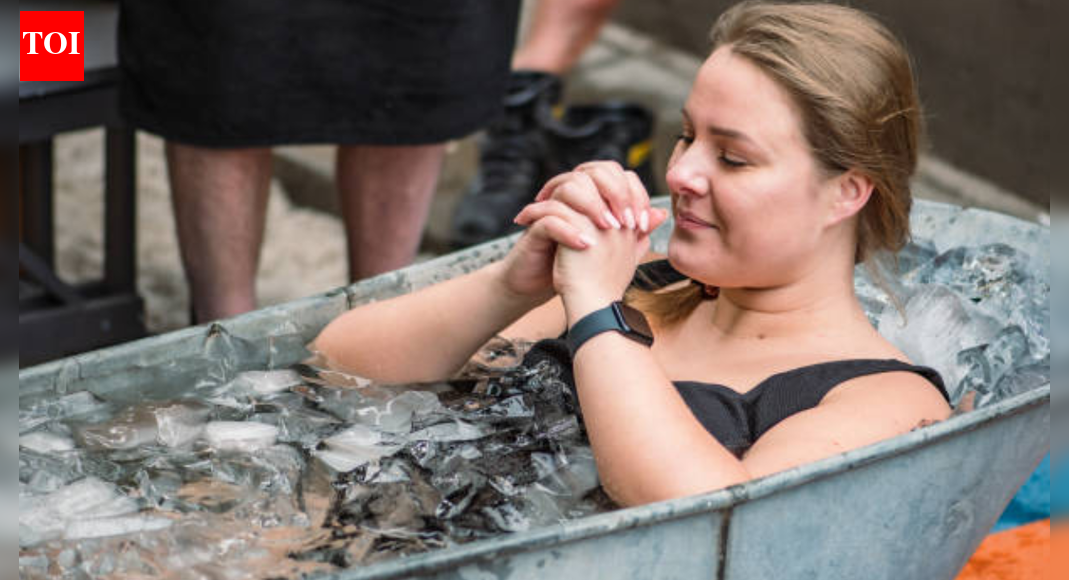

Cold water baths in winter have suddenly become a flex. From early-morning reels to wellness dares, they are often sold as proof of toughness and great health. But is braving icy water actually good for you, or just uncomfortable for the sake of it? While cold exposure does have some real benefits, especially for circulation and mental resilience, it’s not a one-size-fits-all habit.In winter, when the body is already working harder to stay warm, cold baths can help some people and harm others.We at TOI spoke to Dr Ajay Kumar Gupta, Senior Director & Head – Internal Medicine, Max Super Speciality Hospital, Vaishali on the health benefits of taking cold showers in winter. Before you label it a health win, it’s worth understanding who truly benefits and who should think twice.
Cold water baths in winter: Busting myths, weighing benefits and knowing when to stop
Every winter, cold water baths come back as a trend that claims to build toughness, discipline and improve health.For some people, taking cold baths in the winter has become a way to show they’re strong. But from a doctor’s point of view, it’s important to have a balanced look at cold water baths.This means knowing what’s true and what’s just a myth, as well as understanding the possible risks.
Myth 1: Cold water baths automatically improve immunity
This is a common belief. While short exposure to cold might help the body react a little, it doesn’t really make the immune system stronger over time.Medical studies show that good sleep, proper food, regular exercise and getting vaccines are much more important for keeping the immune system healthy.In fact, if you take cold baths too often in the winter, it might actually make your immune system weaker if it leads to tiredness or more sickness.
Myth 2: The colder, the better
This isn’t true. Being exposed to extremely cold water all at once can make your blood pressure and heart rate jump up quickly. This can be risky for people with heart problems, diabetes or thyroid issues. Even healthy people may feel dizzy or have trouble breathing if they’re shocked by cold water too suddenly. Doctors say it’s safer to use cold water for a short time and in a controlled way, rather than soaking in it for a long time.
Myth 3: Cold baths burn a lot of fat
Cold can wake up a type of fat in the body that helps with warmth, but the amount of calories burnt is not very big. Cold baths can’t take the place of eating well and being active if you want to lose weight. Trying to lose weight just by taking cold baths is more of a marketing trick than real science.For those who enjoy cold showers, it can help build mental strength and focus, especially if they do it thoughtfully.
Who should avoid cold water baths completely?
People with heart problems, high blood pressure that isn’t controlled, asthma, Raynaud’s phenomenon, a history of fainting, or severe anxiety should not try cold water bath.Older people are also more at risk of getting too cold or experiencing a sudden drop in body temperature.For those who still want to try it, doctors suggest doing it carefully. A cool shower for 30 to 60 seconds, after a warm bath, is much safer than jumping into very cold water. It’s best to try it earlier in the day and stop immediately if you feel uncomfortable, lightheaded, dizzy, or notice any chest pain. In simple terms, cold water baths in winter aren’t a miracle habit—and they aren’t automatically harmful either. They can work well for some people and be a bad idea for others. Real health isn’t about proving how much discomfort you can tolerate. It’s about understanding your body and respecting its limits. Especially during winter, paying attention to how your body responds is a far better sign of strength than forcing yourself to endure the cold.
About the Author