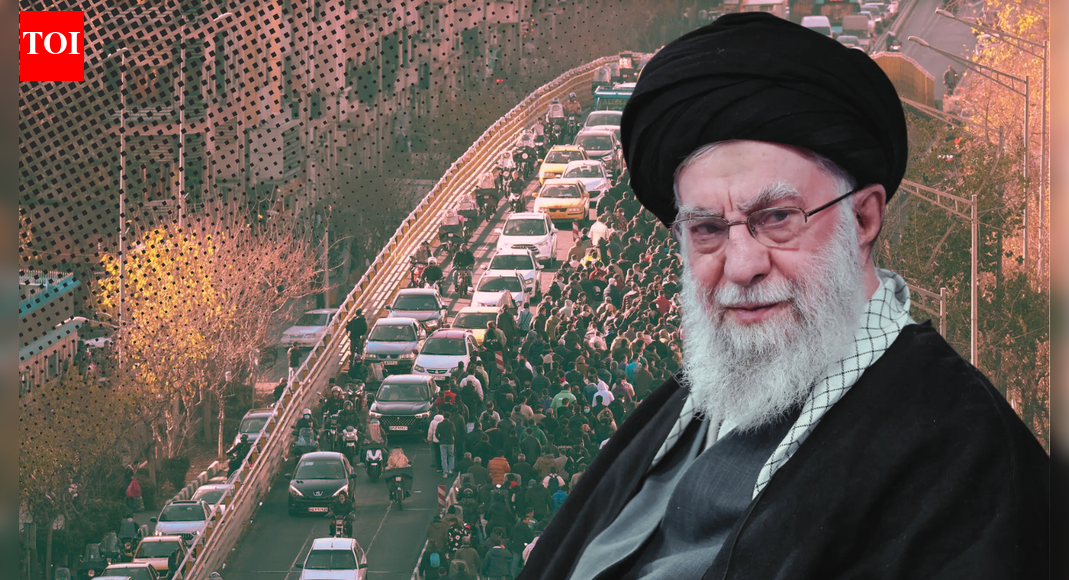
Iran’s exiled crown prince Reza Pahlavi has issued an urgent appeal to US President Donald Trump to intervene as mass protests sweep the Islamic Republic.“Mr President, this is an urgent and immediate call for your attention, support and action,” Pahlavi wrote on social media. “Please be prepared to intervene to help the people of Iran.”The call came as protests escalated across Tehran and other cities, initially driven by Iran’s collapsing economy but now posing one of the most serious challenges to the Islamic Republic in years. Demonstrators chanted slogans including “Death to the dictator” and, in some cases, praised the former monarchy — a striking shift in a country where such support once carried the death penalty.Iran’s leadership responded with threats of force. Supreme Leader Ayatollah Ali Khamenei accused protesters of acting to “please the president of the United States”, dismissing Trump as having hands “stained with the blood of Iranians”. Iran’s judiciary chief warned punishment would be “decisive, maximum and without any legal leniency”, as state media labelled demonstrators “terrorists”.At least 62 people have been killed and more than 2,300 detained, according to rights groups, amid a sweeping internet blackout that activists say is being used to conceal a violent crackdown.Trump has repeatedly warned Tehran against killing peaceful protesters, saying Iran would “pay hell” if it does. The warning has taken on added weight after US forces seized a fifth sanctioned oil tanker this week as part of a broader effort to control Venezuelan exports following Maduro’s removal — an operation that has sharpened speculation about whether Washington could apply similar pressure elsewhere.Pahlavi, who has lived in exile for nearly five decades, insists the blackout is being used “to murder these young heroes”. Yet it remains unclear how much genuine support he commands inside Iran, or whether protesters are backing a return of the monarchy — or simply demanding an end to clerical rule.Pahlavi’s call for intervention comes days after after the United States captured Venezuelan President Nicolas Maduro and his wife in an overnight operation in Caracas.The raid was approved by President Donald Trump late on January 2 and executed in the early hours of the following morning after months of planning and interagency coordination. General Dan Caine, chairman of the joint chiefs of staff, said the operation integrated air, ground, maritime, space and intelligence capabilities, involving more than 150 aircraft across the Western Hemisphere. US forces reached Maduro’s compound shortly after 2am local time, rapidly securing the area and apprehending the Venezuelan leader with what officials called speed and precision. Trump praised the mission as unmatched in its execution, claiming it lasted less than 30 minutes.
About the Author