
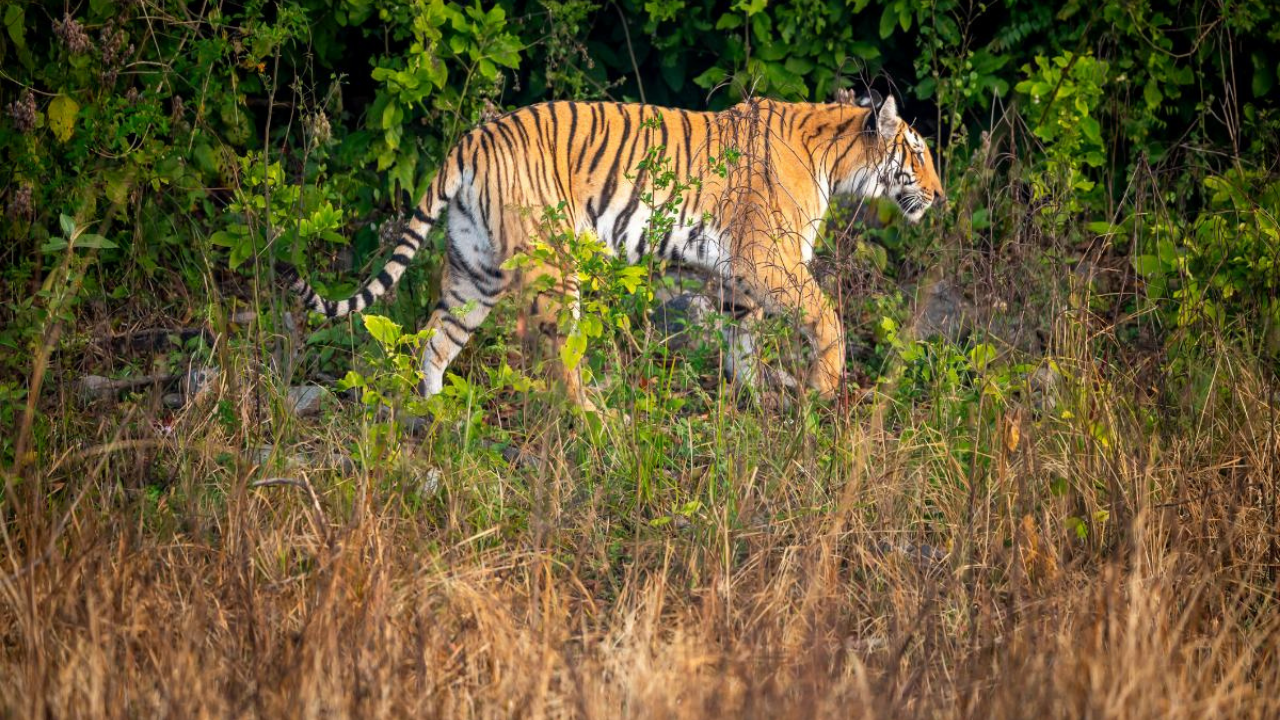
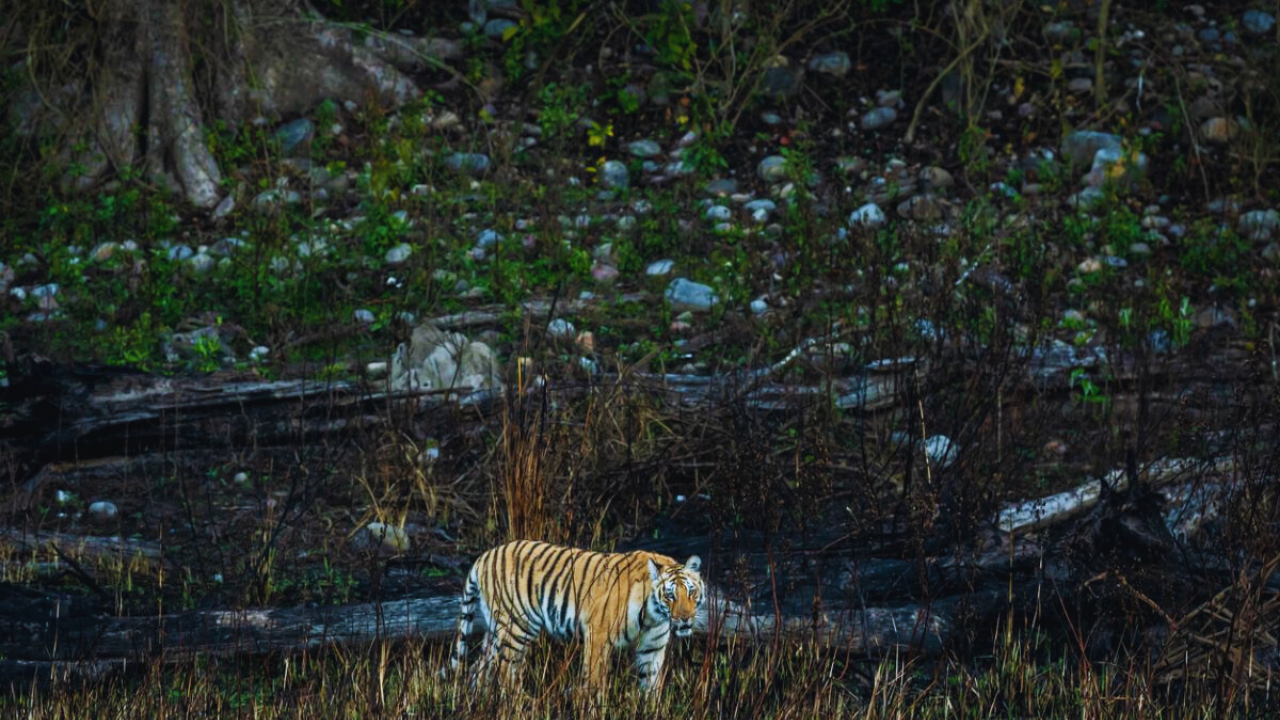
There are highways for humans for hassle-free travel, but what about animals? For them, the forests and grasslands are their roads, and they also need safe routes. This is where the wildlife corridors act as secret highways of nature that animals use to travel from one forest to another without trouble. In a country like India, home to an incredible mix of species, these trails aren’t just helpful, they’re essential. Earlier, animals had endless space, where they could roam, hunt, and migrate without obstacles. But with evolution and over the centuries, as human activity began to increase, and started building towns, clearing land for farming, and slowly chopping up forests into scattered patches, animals were left with smaller fragments of wilderness where survival is much harder.
Then there’s the issue of roads and railways, which run straight through forests and block the very routes animals depend on. It’s not a rarity to wake up in the morning, and read news about human and wildlife conflict, about elephants or leopards crossing highways, which is dangerous not only for them, but also for us. These situations often turn into conflicts, and sadly, both humans and wildlife pay the price.
Good news is both governments and conservationists stepped in with timely interventions to safeguard these natural passageways. From creating designated biological corridors to restoring fragmented forest stretches, these efforts are helping wildlife move more freely and safely across landscapes.
So, here are 5 of the most important wildlife corridors in India that protect species of all kinds.
About the Author