
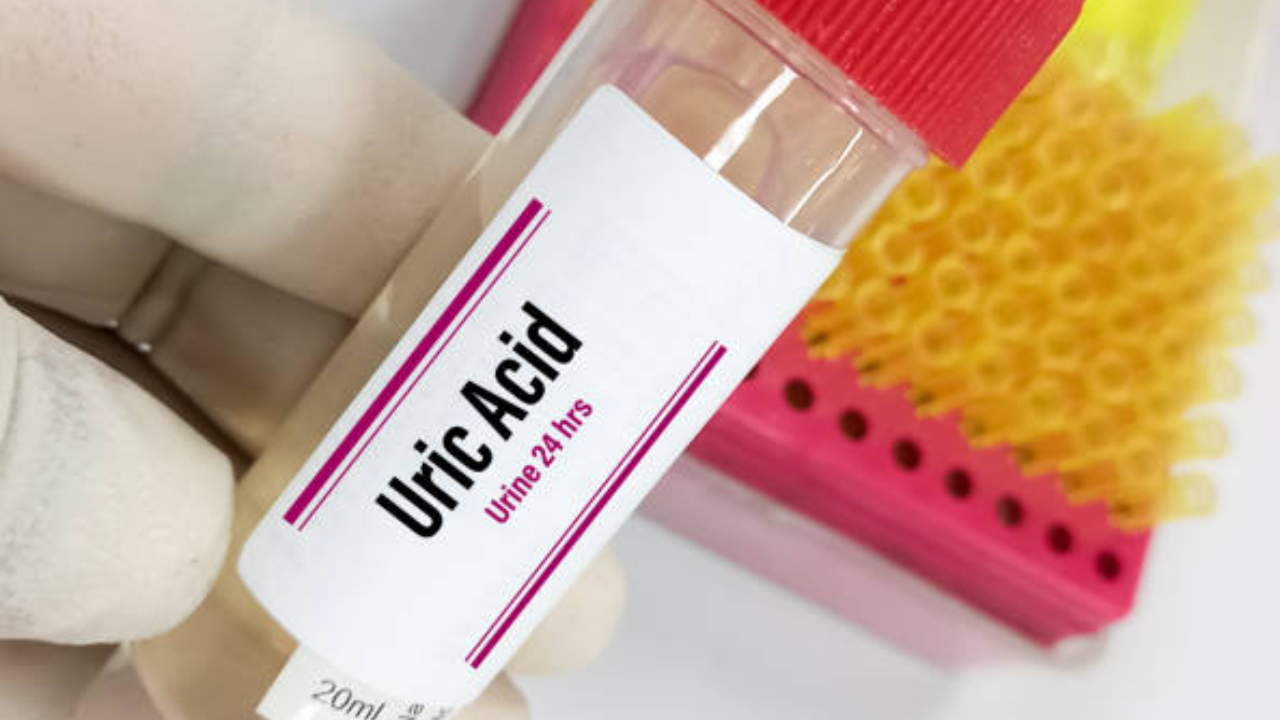

Here’s the tricky part: High uric acid levels on their own usually don’t cause obvious symptoms. Most people have no idea there’s a problem until uric acid builds up enough to:
Trigger a gout attack (sudden joint pain, redness, swelling—often the big toe)
Cause kidney stones (back pain, blood in urine)
Affect other parts of the body
So how do you spot early trouble if you don’t get those “classic” symptoms?
Early warning signs to watch out for:
Joint twinges: Even before a full-blown gout flare, you might notice stiffness, mild pain, or swelling in a joint—commonly the big toe, ankle, or knee. This can come and go.
Change in urine: Rarely, high uric acid can cause kidney stones—think severe lower back pain, difficulty peeing, or blood in your urine.
About the Author